Leaderboard




Popular Content
Showing content with the highest reputation since 09/27/26 in all areas
-
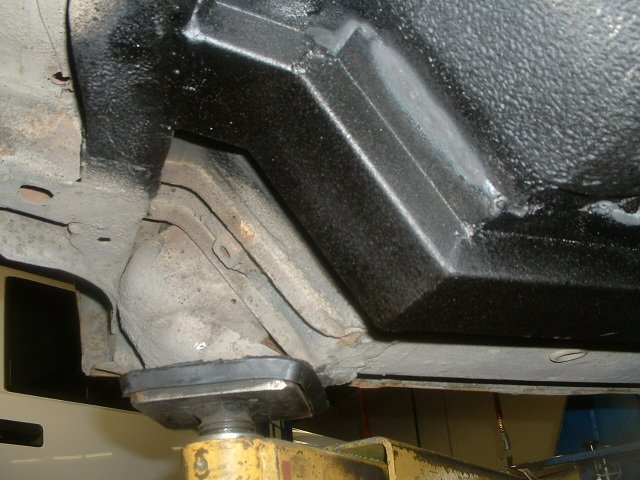
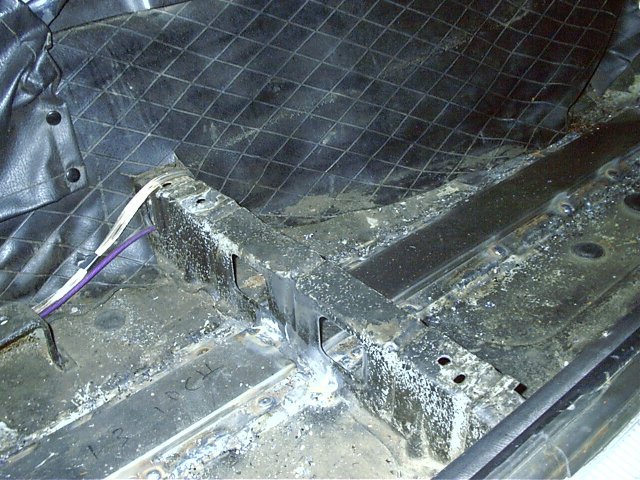
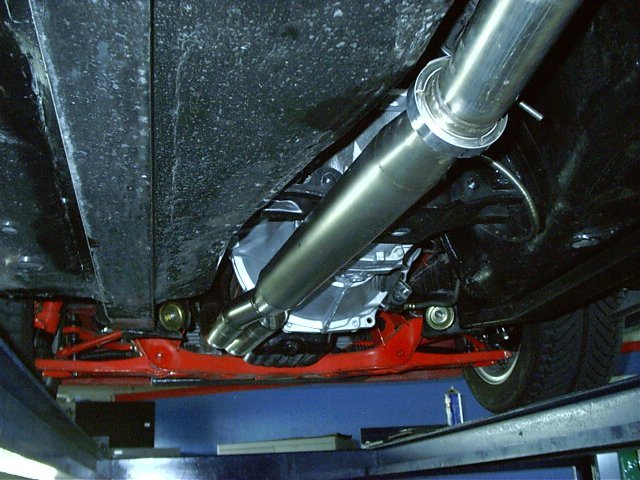
For a street Z I think most people have found exactly this to be a great solution, but I'll add that the full length frame rails from Cap Metal Works are probably plenty thick to do the job. T3 and others sell them, but T3 asked for their own lighter version that's a thinner gauge. I'm thinking of them and some KF Vintage floor pans. I wish that stuff had been available before I painted. When I was putting my car together I was dumping money at so many things that I just accepted the flat sheet metal pans and so-so rails the past owner had welded in as "good enough" but it definitely contributes to the flimsy feeling on turns.2 points
-
I have several 240Z's. On one I did a 9 point cage consisting of a custom hoop with diagonal bar to the front passenger area near the tunnel with bracing on the rear towers and bracing for the front towers. Then on my other more mild 240Z I did a heavy gauge "U" channel frame rails under and inside the car covering the factory fake rails that went to the rear towers and all the way to the front of the car. What was amazing was that my mild 240Z solved the chassis twisting and was stiffer that my 9 point cage 240Z. I also had a rear end crash where I was fully stopped and a Prius hit my mild Z at 60 mph and only the rear end had damage, the car from the rear struts to the front were totally fine and so was I! That saved my life and the car was fixed with no issues. I also love that you have to be a real Z geek to even know it is not stock as the rails are just a little taller than the stock rails that they cover up so it looks like the car came that way from factory. Thus I would say frame rails but NOT the ones available at all of the companies I have seen as they are not that thick. The ones I used were strong enough where just one "U" channel not in the car would not bend even when you stand on it. Also my mild Z with the rails was stiff enough that you could jack the car and have 3 wheels off the ground so it was way better than the cage. I am adding that same "U" channels to my more extreme 240Z with the 9 point as I am installing a 750-900 HP RB30 turbo and the car will be a reliable 200 + mph 240Z.
 2 points
 -
Hi, hopefully this is the right spot to post this question. i have a 71 240z that I am restomoding. I also have a close to 600hp ls3 dry sump engine . if anyone has experience with that much hp in the 240z, what would you recommend to stop it from twisting? I have a full roll historic roll cage. Front and rear strut braces. what else should I look to do?1 point
-
Fuse on my 1970 is below the ash tray.1 point
-
having just completed my first HPDE track day in my Z a couple weeks ago. I 10000% recommend at least trying one. Local clubs vary but cost to seat time to fun ratio is quite high. you dont need to have a track weapon. you don't need to be a professional driver. you just need to have fun.1 point
-
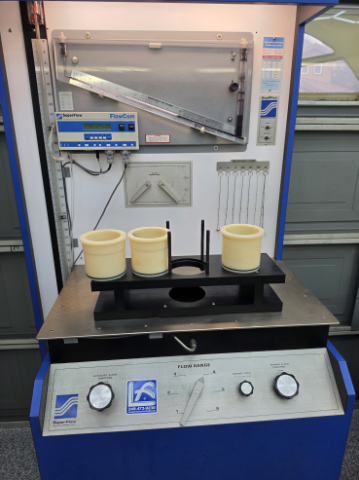
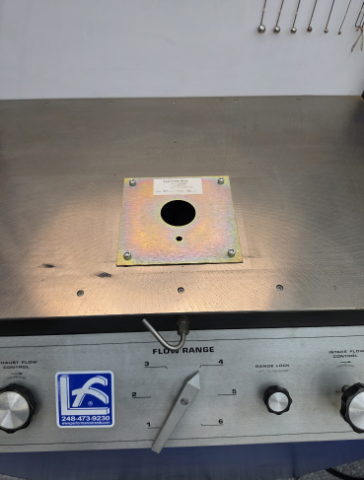
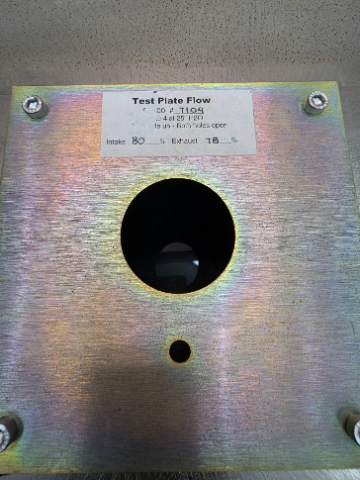
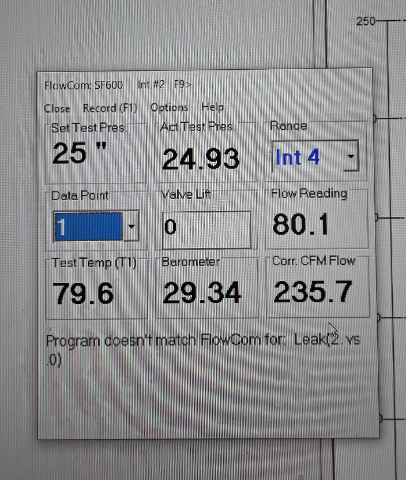
I've decided to build a detailed thread to document L-Series cylinder head flow testing and the results. Like many aspects of these engines, it's sometimes hard to know what to believe or how to interpret what you see and read. Test setup, equipment, testing methods, and just straight-up BS can all contribute to the confusion. I don't sell a product or service and have nothing to gain from the results I post, so my goal is to keep the testing unbiased and as consistent and repeatable as possible. Feel free to comment or criticize as I move through this. I'm happy for any input. First up is the equipment. I have a SuperFlow 600 converted to run the digital FlowCom directly to my laptop where I use PortFlow analyzer from Performance trends. This software sets up the test and aids in the data logging and reporting. It also compensates for Altitude, Barometric pressure, ect. So no math or reading of the old school manometers. Its super accurate and very repeatable. I built a L-Series specific test stand and replaceable cylinder bores to test the common sizes, 84mm - 240z , 86.5mm 280z, and 89mm - Big Bore. This has a considerable effect to the max flow due to bore shrouding, so its important to test on the correct size. This is the first place numbers can get "offset" If some guy is flow testing a Z head on his 4" Chevy bore, you bet the numbers will look good. More on this later. These bores are made of nylon and seal to the test stand with an o-ring. However any leakage can still occur, so the software takes a zero measurement first, and this leakage is then subtracted out automatically Next up is calibration - the bench should be calibrated on a regular basis to check for issues. You do this by bolting the supplied test plate that is matched to the machine and simply flowing it. Here you can see the plate bolted on, it has calibration flow percentages written on it to compare Ans this is the screen on the laptop, you can see the bench is within .1 percent calibration for the intake and exact for the exhaust Ill flow and document the heads I have as well as some I will borrow from friends. Some will be stock, some will be modified to various states. Ill also do some test to help point out important details. So stay tuned Thanks - monZter
1 point
-
@Joe0690 you don't mention if this is a race car or a street car. I'm guessing since you're talking about a 8-point cage this is more race car or dual purpose with a heavy emphasis on the track part. A friend had a 550 HP LS-2 powered 240 that we made a lot of changes to to stiffen. The normal cage will need some additions to really help make the car stiffer. Frame rails that everyone adds are fine for street cars but are not going to give you much in the way of gains compared to adding additional tubing to the base cage. The triangulated strut bar needs to connect to an additional cross bar that hooks into your cage and is sandwiched under the wiper cowl are where all the metal comes together. This can then be plug welded through the firewall and is triangulated into the existing cage's cross bar. The next big change would be to add X bracing on the floor between the roll hoop and front cage legs. The floor of a 240 is very week compared to a modern car. This weighs about the same the frame rail mods but will add more in stiffness. There are a number of other areas you can add if you need more stiffness. In the stickies there are some examples of how most of these were done on various members cars. Cary1 point