Leaderboard


Popular Content
Showing content with the highest reputation on 09/12/26 in all areas
-
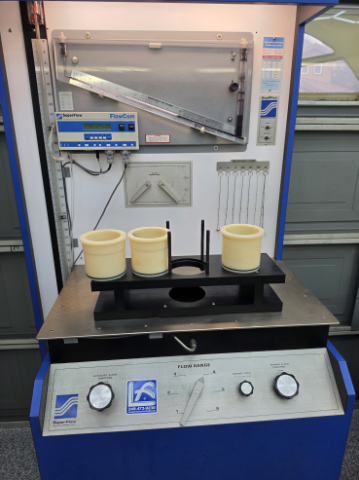
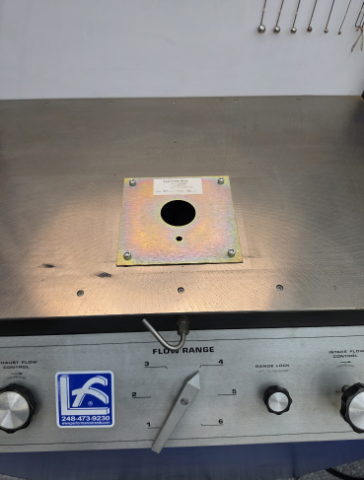
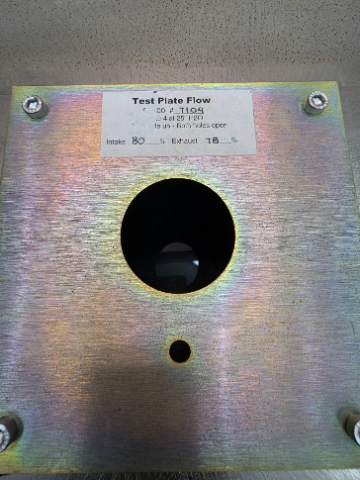
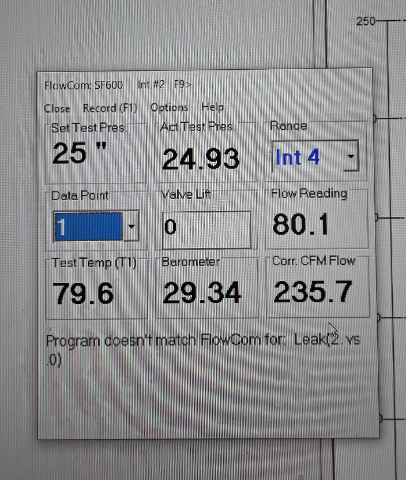
I've decided to build a detailed thread to document L-Series cylinder head flow testing and the results. Like many aspects of these engines, it's sometimes hard to know what to believe or how to interpret what you see and read. Test setup, equipment, testing methods, and just straight-up BS can all contribute to the confusion. I don't sell a product or service and have nothing to gain from the results I post, so my goal is to keep the testing unbiased and as consistent and repeatable as possible. Feel free to comment or criticize as I move through this. I'm happy for any input. First up is the equipment. I have a SuperFlow 600 converted to run the digital FlowCom directly to my laptop where I use PortFlow analyzer from Performance trends. This software sets up the test and aids in the data logging and reporting. It also compensates for Altitude, Barometric pressure, ect. So no math or reading of the old school manometers. Its super accurate and very repeatable. I built a L-Series specific test stand and replaceable cylinder bores to test the common sizes, 84mm - 240z , 86.5mm 280z, and 89mm - Big Bore. This has a considerable effect to the max flow due to bore shrouding, so its important to test on the correct size. This is the first place numbers can get "offset" If some guy is flow testing a Z head on his 4" Chevy bore, you bet the numbers will look good. More on this later. These bores are made of nylon and seal to the test stand with an o-ring. However any leakage can still occur, so the software takes a zero measurement first, and this leakage is then subtracted out automatically Next up is calibration - the bench should be calibrated on a regular basis to check for issues. You do this by bolting the supplied test plate that is matched to the machine and simply flowing it. Here you can see the plate bolted on, it has calibration flow percentages written on it to compare Ans this is the screen on the laptop, you can see the bench is within .1 percent calibration for the intake and exact for the exhaust Ill flow and document the heads I have as well as some I will borrow from friends. Some will be stock, some will be modified to various states. Ill also do some test to help point out important details. So stay tuned Thanks - monZter
 1 point
 -
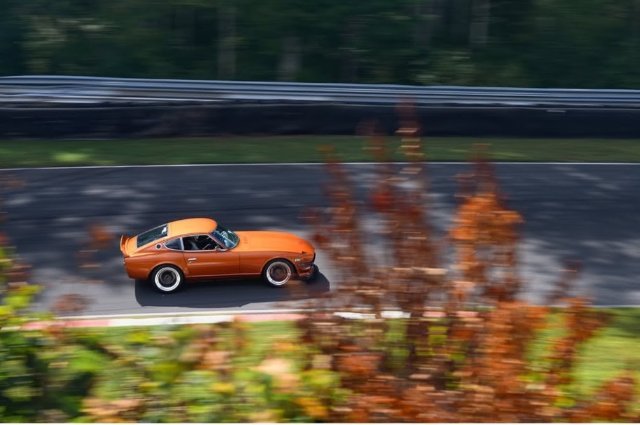
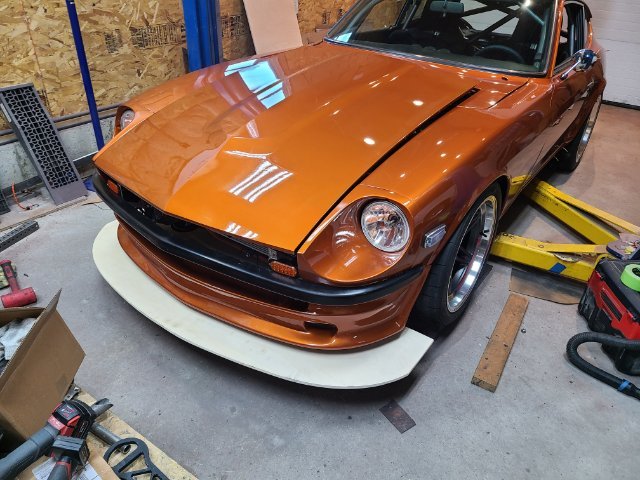
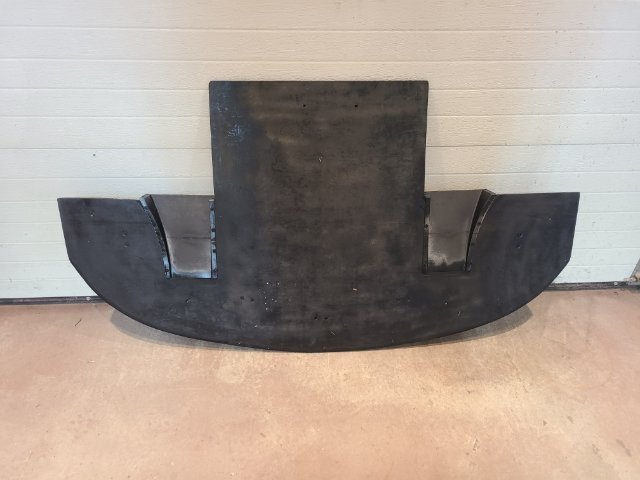
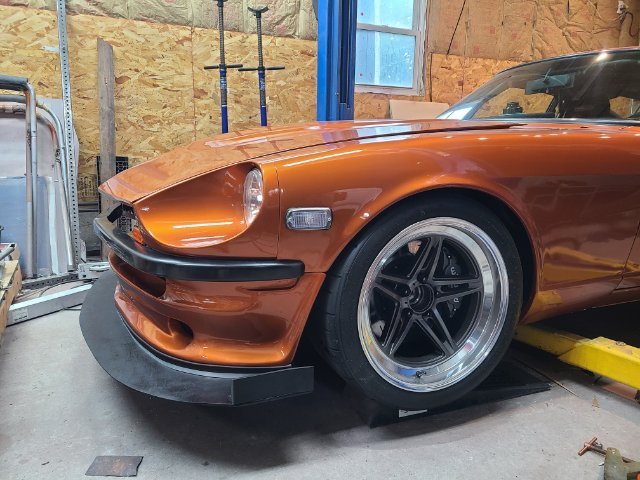
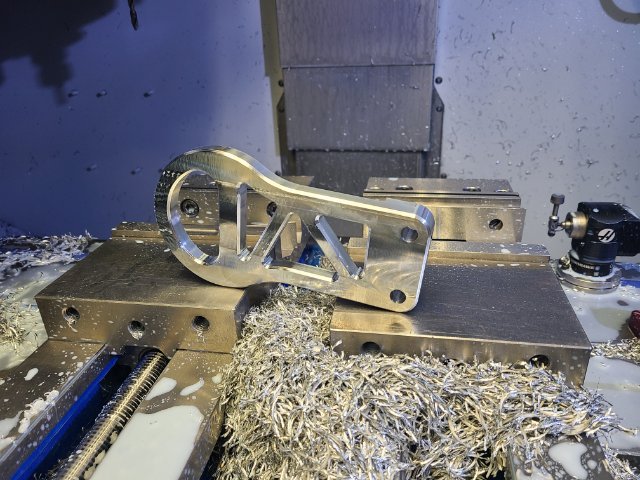
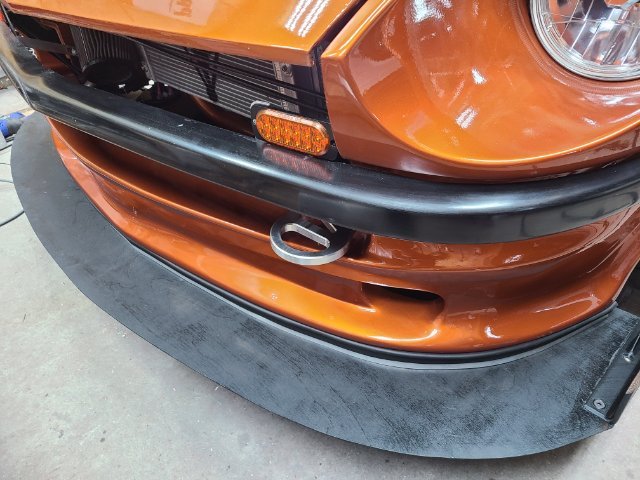
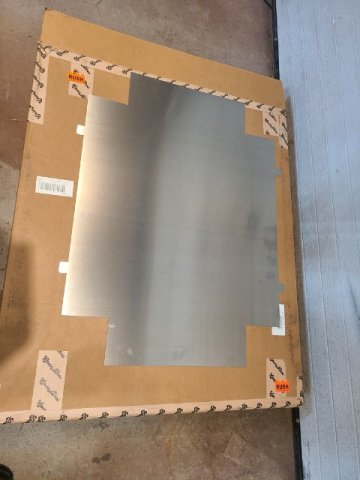
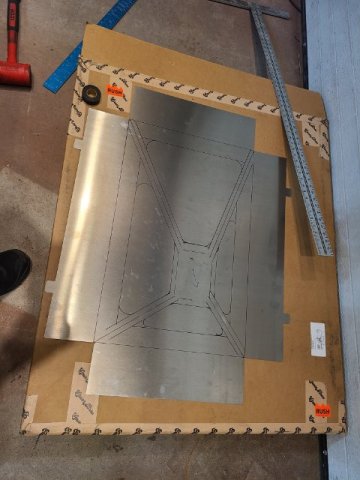
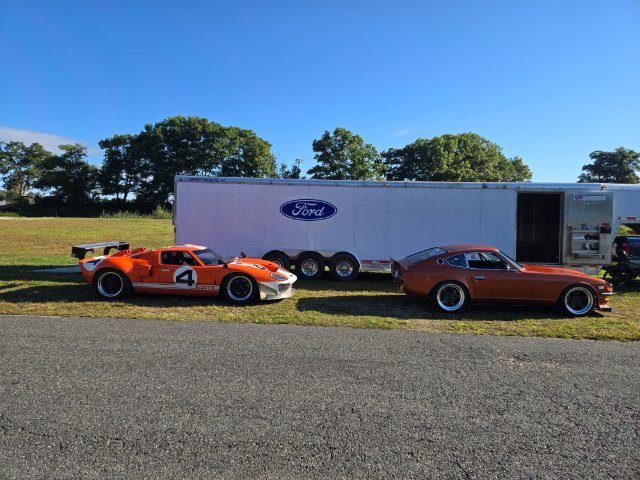
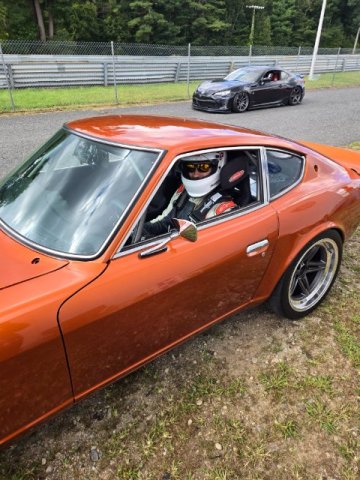
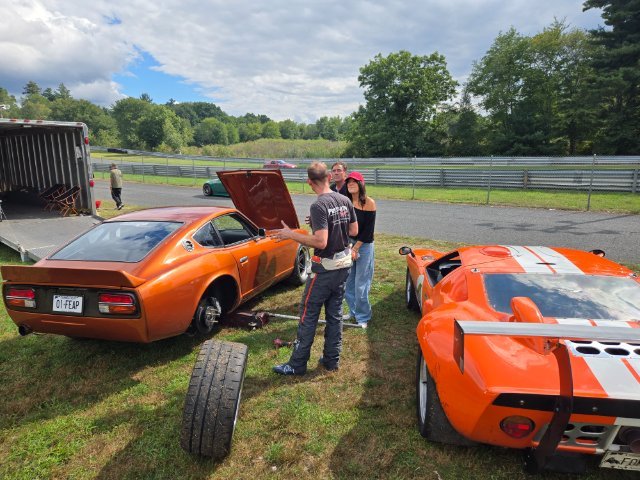
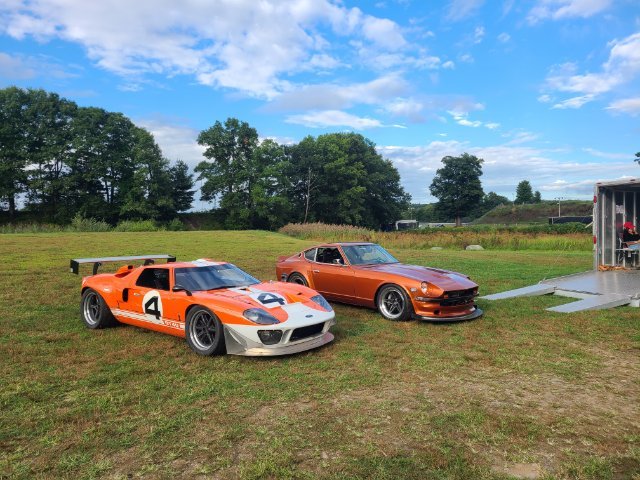
Last weekend i got the offer to run a single day of a multi day event if I wanted to shake down the car. So i scrambled all week getting a bunch of things checked off the list. a couple days getting up at 5am and working for a couple hours before work and then to 10-11pm after work but got it so i could run it. Added a front splitter. strut bar, seat belts. fuel cell bulkhead, fire extinguisher, coolant overflow, battery tie down and kill switch, tow hook, brake bias controller, some tuning changes and im sure a few more things. But i made it. My uncle and I loaded up friday evening and saturday morning drove an hour and a half to the track. Had a great time. car was an absolute trooper and didnt skip a beat. New track for me so had some getting used to the track and the car. but i did 4 sessions problem free, I didn't change a single thing all day. found one loose bolt after session 3 that i caught before it was a problem. Car performed well. Had a fairly competitive pace by the end. Anyway. huge photo dump
1 point


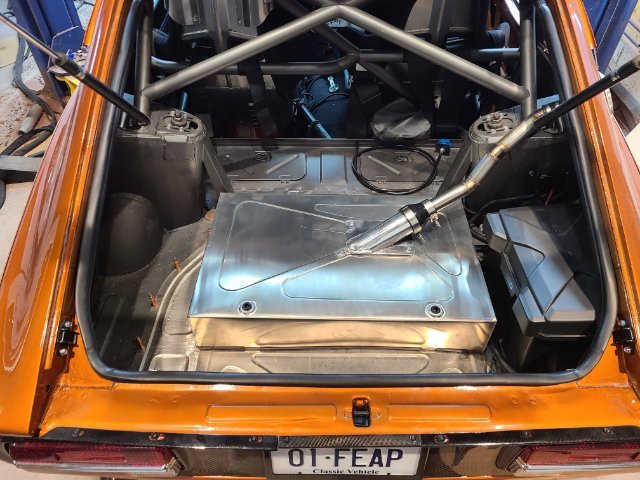
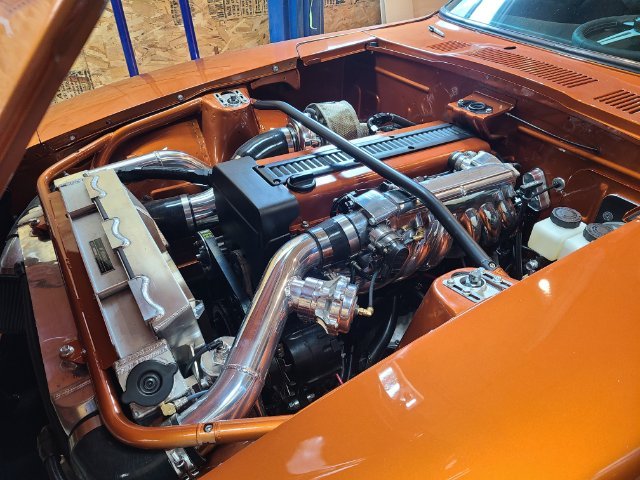
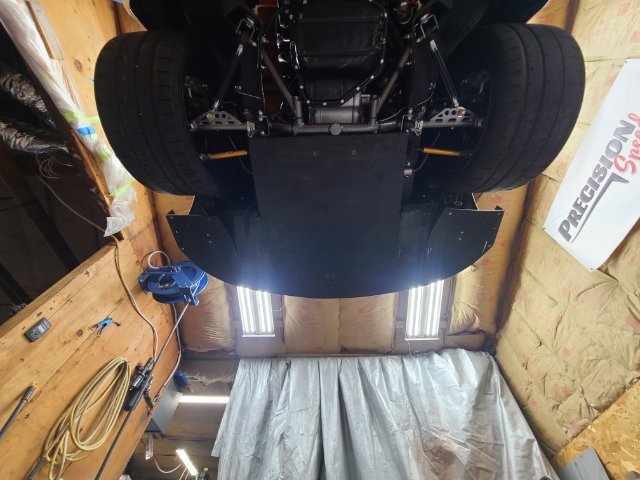
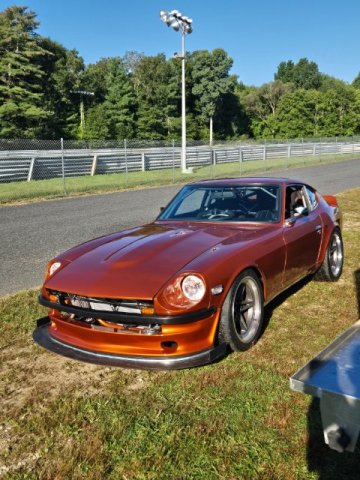
.jpg.1990af17048858cad04130309b7009f5.jpg)
.jpg.45075ff6916891e2f05a046adae76a2f.jpg)

.jpg.cd24ccb14d0d6e48f6ad41acc08cda77.jpg)