
MONZTER
-
Posts
835 -
Joined
-
Last visited
-
Days Won
34
Content Type
Profiles
Forums
Blogs
Events
Gallery
Downloads
Store
Everything posted by MONZTER
-

Nissan L-Series Cylinder Head Flow Bench Testing and Development
MONZTER replied to MONZTER's topic in Nissan L6 Forum
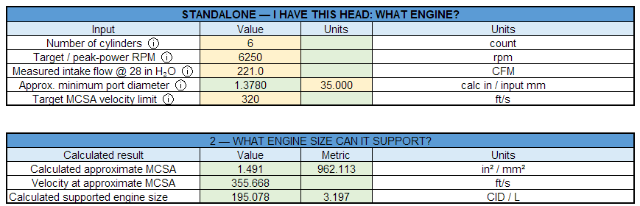
Duffy, thanks for the numbers. Let's see how this works out. My plan is to approach this two ways. First, "I have this cylinder head, what bottom end does it want?" Second, "I want to build this engine, what cylinder head do I need to support it?" Let's start with the first one. I've made a bunch of Excel calculators to help automate this process. Since I don't have all the details of your head, I'll need to make a few educated guesses. We have a 45mm intake valve and 221 CFM, which I'm treating as corrected to 28" H₂O. You mentioned roughly stock-sized ports, and this is where things get interesting. Flow numbers alone only tell part of the story. I'm going to assume a 7000 RPM peak horsepower target and a 35mm MCA (minimum cross-sectional area), expressed as an equivalent round diameter. The actual minimum might be at the flange or somewhere farther into the port. We won't know without measuring it. MCA is important because it determines the calculated average velocity through the smallest section of the port for a given airflow. For this example, I'm using 320 ft/s as a conservative flowbench-based design target. The L-series has a relatively low intake port with a sharp turn over the short-side radius. Picture a race car going around a track. You can carry plenty of speed down the straight, but enter a tight corner too fast and you're going to have problems making the turn. A modern high-port motorcycle head with a straighter approach to the valve might tolerate 350–360 ft/s. These are design guidelines, not hard limits. Port geometry and flow stability ultimately determine what's acceptable. Also, these are steady-flowbench-based calculations, not instantaneous velocities in a running engine. Dynamic sizing methods use piston demand and RPM and can produce considerably higher numbers. We've used approximately 613 ft/s as a dynamic design reference, but that's not a direct conversion from 320 ft/s. First example: 7000 RPM and 320 ft/s design target. The calculator gives us a 2.854-liter engine. Is that correct? Maybe, maybe not. It depends on what you're building. With our assumed 35mm MCA and a conservative 320 ft/s design target, the calculator suggests approximately 2.85L as a starting point for a 7000-RPM power peak. Notice the calculated velocity at MCA is 355.7 ft/s. That's based on the head's reported 221 CFM through our assumed 35mm minimum area. It's not a measured local velocity. The calculator is actually sizing this engine around approximately 199 CFM of required flow, corresponding to our 320 ft/s target. The head's full reported flow capacity remains 221 CFM. Now let's increase our design velocity target to 350 ft/s. Now we get a 3.122-liter engine. Same head, same assumed port size, same 221 CFM and the same 7000-RPM target. The difference is that we're allowing a higher calculated velocity at the engine's required airflow, approximately 217.5 CFM. But can this particular port support that demand efficiently? That's the question. If the airflow becomes unstable, especially around the short-side turn, cylinder filling may stop improving as RPM increases. This is where an engine can start running out of steam earlier than expected. A 3.1 or 3.2-liter engine needs more than a good peak CFM number if you expect it to keep making power at high RPM. The port needs the correct area, shape and flow characteristics to support that demand. OK, one more. Back to 320 ft/s, but lower peak horsepower RPM to 6250. Now we're at 3.197 liters. Nothing about the head changed. We're simply asking it to support peak horsepower at a lower RPM, where a larger engine can operate with less airflow demand per unit of time than it would at 7000 RPM. Here's how the three examples compare: The required-flow values come from the workbook's sizing model, not measurements of the running engine. Notice that 355.7 ft/s never changes. It's calculated from the same 221 CFM and 35mm MCA in every example. What changes is the engine's calculated airflow requirement at its target RPM. So what's my point? Flow numbers alone don't tell you how much power an engine will make or where it will make it. You need the right combination of airflow capacity, port area, displacement and RPM. None of these combinations is necessarily bad. They're just different engines that need different supporting components. A smaller displacement with a longer-duration cam might be happier running higher RPM. A larger displacement might make a better street engine, producing strong torque and reaching peak power sooner. Each would need its cam timing, intake runner length and exhaust system matched to the intended powerband. The mistake is assuming you can have everything simply by adding displacement, camshaft and RPM without considering airflow and velocity. This is why I think people need to be clear with their engine builder about what they actually want the engine to do, then select the components to support that goal. Getting back to your head, there's another important part of this. MCA is the smallest cross-sectional area anywhere along the port. Average CSA is calculated from port volume divided by centerline length. They're different measurements and tell us different things. Let's say your E31 has a 35mm MCA at the flange. At 221 CFM, that calculates to 356 ft/s. But if the port opens up to 37mm before the short-side turn, the calculated average velocity at that larger section drops to 318 ft/s. That's a significant difference on a low-port L-series head where the air has to make a sharp turn. This is why we need to know not only the MCA, but where it's located and how the port area changes toward the valve. Even with lower average velocity, poor short-side geometry can still cause flow separation. Port volume is useful too. For reference, a cleaned-up E88 measured approximately 104cc, a welded E88 measured 111cc, and the PAMS JP geometry calculates to approximately 129cc. These represent quite different port sizes, although volume alone doesn't tell us where the restrictions are. Ideally, I'd like to know your actual MCA, its location, and the intake port volume. With those measurements, we can make a much better assessment of what your head can support instead of guessing from peak CFM alone. And that gets us away from the bigger-is-better mentality and toward building an engine where all the components actually work together. Next, we'll look at the second approach: "I want to build this engine, what cylinder head do I need to support it?"
-
Nissan L-Series Cylinder Head Flow Bench Testing and Development
MONZTER replied to MONZTER's topic in Nissan L6 Forum
Duffy, If you want I will run your head in my calculators and Ill tell you what it shows. I need to know Target / peak HP RPM Measured Intake flow at 28" Approximate minimum port diameter, not necessarily the flange port opening This will tell me what engine capacity it will like If you tell me these specs Bore Stroke Rod Length Target / peak HP RPM I can tell you what flow it wants as well as the recommended minimum port diameter based on velocity Port velocity is just as important or more than flow, too much or too little is not always better -
Nissan L-Series Cylinder Head Flow Bench Testing and Development
MONZTER replied to MONZTER's topic in Nissan L6 Forum
Sorry, been busy as usual, I have tested my Welded N42 I ran on my 240 for years, I have also tested my PAMS head. Ill post the reports when I get a moment. Hopefully soon. My concern is that as some know and some do not. Flow and cfm do not tell the whole story. Port volume and thus port velocity along with a proper MCA for the actual displacement and peak HP RPM all combined with needed flow is the best answer, not just who flows more. So, Ill discuss this in detail as well so we can look at each head and its proper position on top of what engine. Its a lot to digest, so still thinking how to present it all. I also need to figure out how to get some decent resolution images to post with all the number legible. Thanks for the people who posted some numbers for referance. -
Nissan L-Series Cylinder Head Flow Bench Testing and Development
MONZTER replied to MONZTER's topic in Nissan L6 Forum
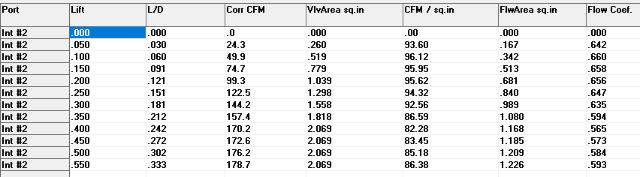
The first head to document will be an old E88 from my 72. I used this head a long time ago worth 40DCOE triple Webbers. In typical fashion long long ago I did my best to do what I thought was right. I blended the seats to match the bowls with a grinder, and port matched the head to the intake, opening up the port about 1" in from the entrance to blend the new opening (not good). other than that, stock valves and chambers So lets flow it. Hoping to borrow a stock E88 to compare later. Some pics for referance Here are the head Specs Cylinder 2 Intake with 84mm Bore And Cylinder #2 Exhaust with 84mm Bore I then switched out the bore to 86.5mm and tested again, here is a comparison chart of the effect of only a larger bore Sorry the image is hard to read I need to figure out how to upload better resolution pics, but you can download the PowerPoint below E88_Flow_Bench_Comparison_Cyl2_84mm_vs_86.5mm_FIXED (1).pptx
-
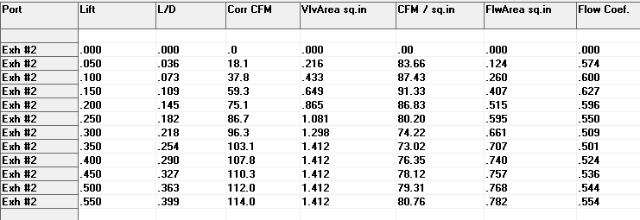
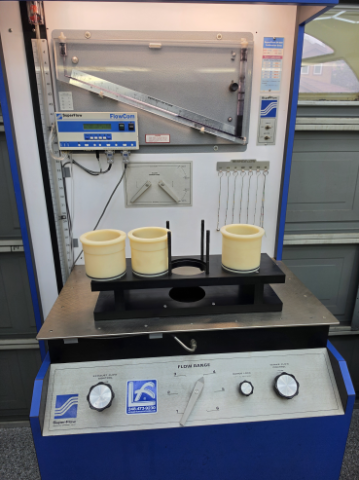
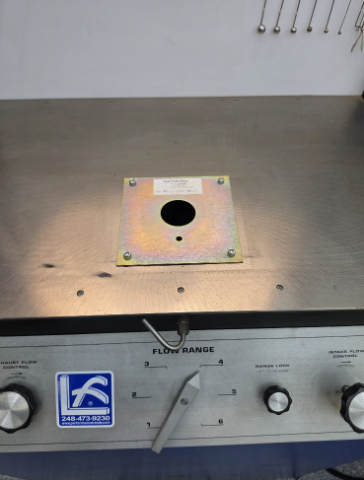
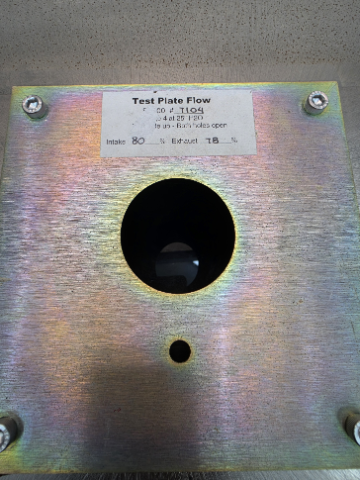
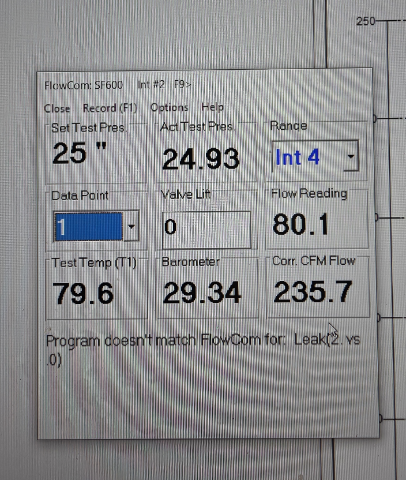
I've decided to build a detailed thread to document L-Series cylinder head flow testing and the results. Like many aspects of these engines, it's sometimes hard to know what to believe or how to interpret what you see and read. Test setup, equipment, testing methods, and just straight-up BS can all contribute to the confusion. I don't sell a product or service and have nothing to gain from the results I post, so my goal is to keep the testing unbiased and as consistent and repeatable as possible. Feel free to comment or criticize as I move through this. I'm happy for any input. First up is the equipment. I have a SuperFlow 600 converted to run the digital FlowCom directly to my laptop where I use PortFlow analyzer from Performance trends. This software sets up the test and aids in the data logging and reporting. It also compensates for Altitude, Barometric pressure, ect. So no math or reading of the old school manometers. Its super accurate and very repeatable. I built a L-Series specific test stand and replaceable cylinder bores to test the common sizes, 84mm - 240z , 86.5mm 280z, and 89mm - Big Bore. This has a considerable effect to the max flow due to bore shrouding, so its important to test on the correct size. This is the first place numbers can get "offset" If some guy is flow testing a Z head on his 4" Chevy bore, you bet the numbers will look good. More on this later. These bores are made of nylon and seal to the test stand with an o-ring. However any leakage can still occur, so the software takes a zero measurement first, and this leakage is then subtracted out automatically Next up is calibration - the bench should be calibrated on a regular basis to check for issues. You do this by bolting the supplied test plate that is matched to the machine and simply flowing it. Here you can see the plate bolted on, it has calibration flow percentages written on it to compare Ans this is the screen on the laptop, you can see the bench is within .1 percent calibration for the intake and exact for the exhaust Ill flow and document the heads I have as well as some I will borrow from friends. Some will be stock, some will be modified to various states. Ill also do some test to help point out important details. So stay tuned Thanks - monZter
-
All the Pop up ads make me hate being here, how to stop the madness
MONZTER replied to MONZTER's topic in Site Support
I figured it was necessary to keep the light on. Is it still the same as before the ads turn off with a premium membership or donation? Or are they always on no matter what? I use Chrome, so not sure what settings, do you have a page with instructions on how to set this up, membership benefits, ect? Happy to help. Thanks Jeff -
I used to be a lifetime member years ago before I was away for like 10 years. Had to re-start my account since an old email was gone. So I'm no longer a life-time member, is this why I get such a ridiculous amount of pop-ups that I literally cant even read post? I hate Facebook, but its free and you can read what people post. Is there any solution, or are the ads the only thing keeping this plate alive? Thanks, I really want to be here and share content with others, but it is so frustrating. I want to do a new thread on Flow-bench testing and actual flow bench results, but its out of control. Thanks Jeff
-
Thanks guys, appreciate the comments, it was a ton of work, now it's on to the doors, hatch and hood next. I moved the car home into my garage, as I closed down my shop for good. Hope to keep making progress
-
It feels slow often for me from all the ads, pop ups, click bait ect trying to load. Its practically useless to view on a phone. But I get it, need money to host it, but it also destroys it. Sorry
-
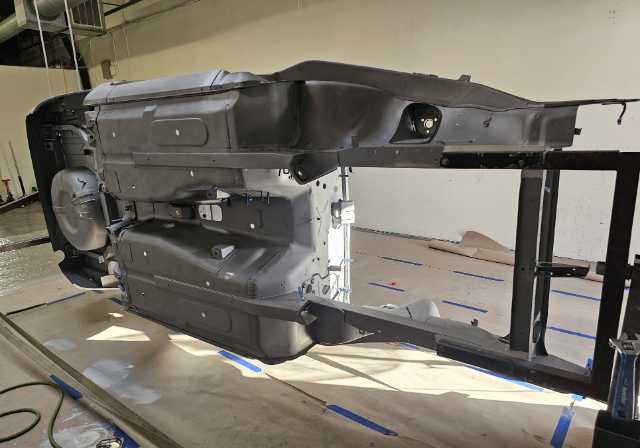
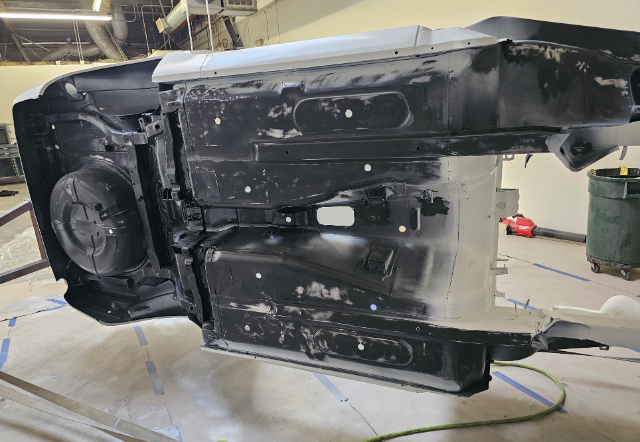
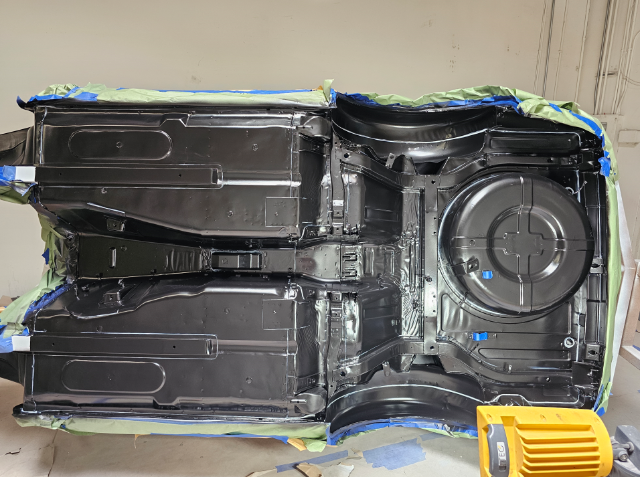
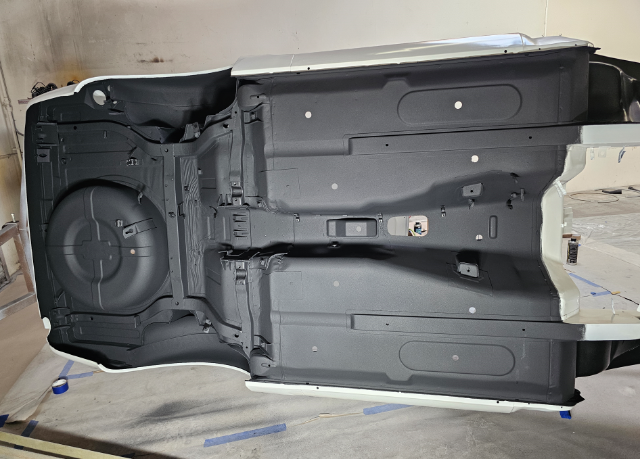
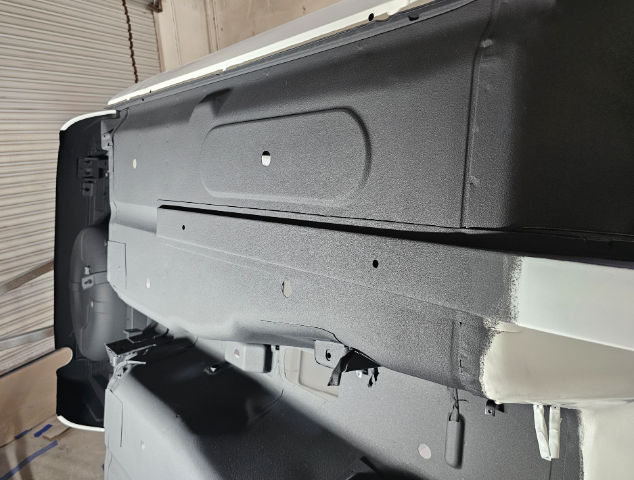
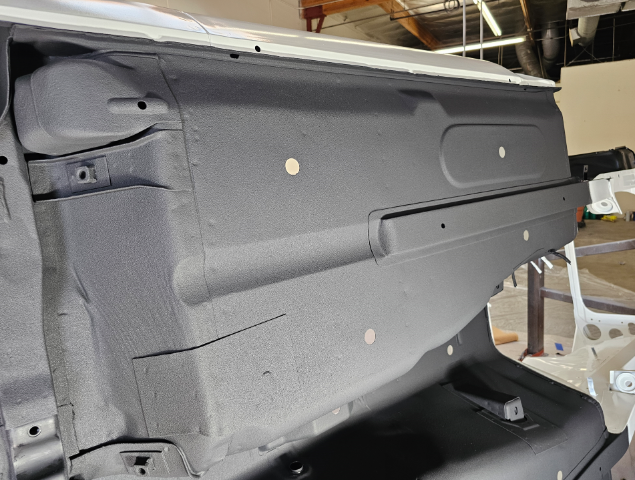
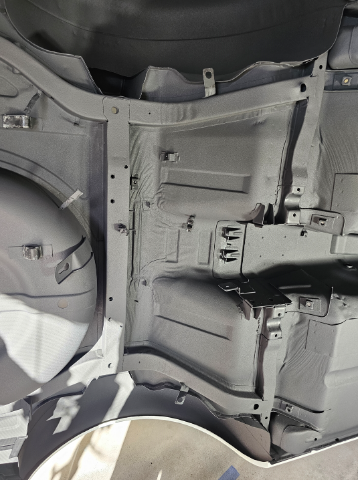
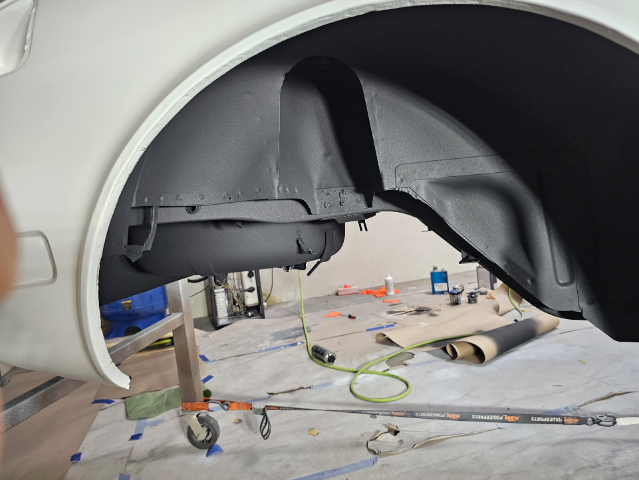
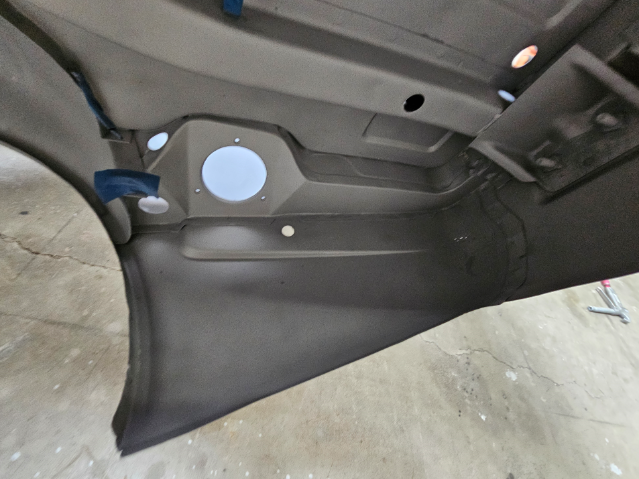
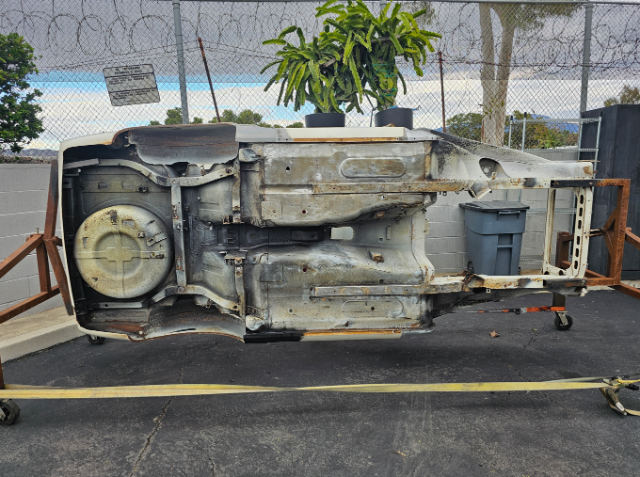
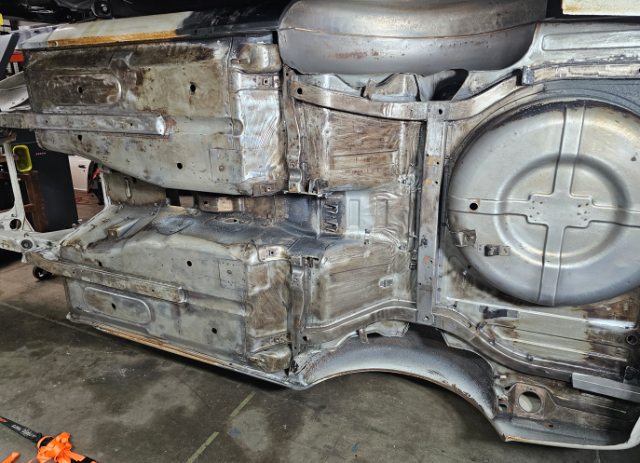
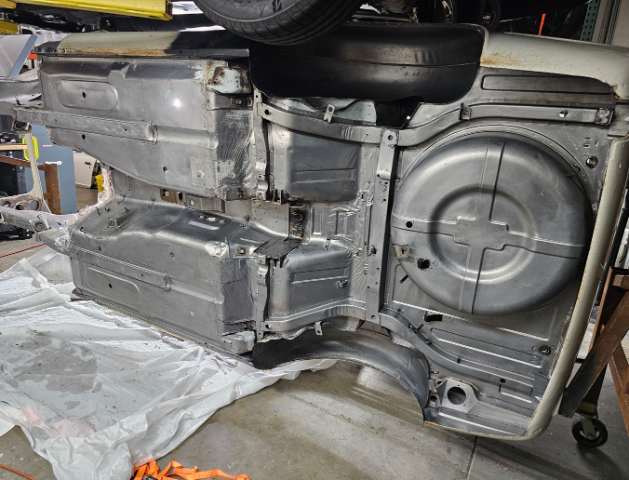
Before getting the top side and interior sealed up in 2 coats of white epoxy, I first hit the underside. I chose to do it in black Epoxy to more follow the original paint where you could see the black though white overspray. I first put down a full coat of the black again using my 360 degree extension paint gun to get in all the difficult location like between the spare tire well and rear valance, then a normal 1.4mm tip gun. After allowing the top to cure for two days I sanded out the bottom side and scuffed it well with Scotchbrite. I then applied 2k epoxy seam sealer in all the original OEM locations I then taped up the topside and put down a final coat of black I then let that cure for two days before applying the Gravitex. It is made by U-Pol the same company who makes Raptorliner, Gravitex is better in my opinion for the other side as it is intended as a sound insulting stone and chip guard. Its what you see on the rocker panels of German cars. Goes on the same with an undercoating style gun. Its a 1k product so I will need a sealer coat on top of it before finally paining the underside white in body color. I really happy how it came out. The weeks of metal work straitening and shrinking the original floor pans really looks good all finished.
-
-
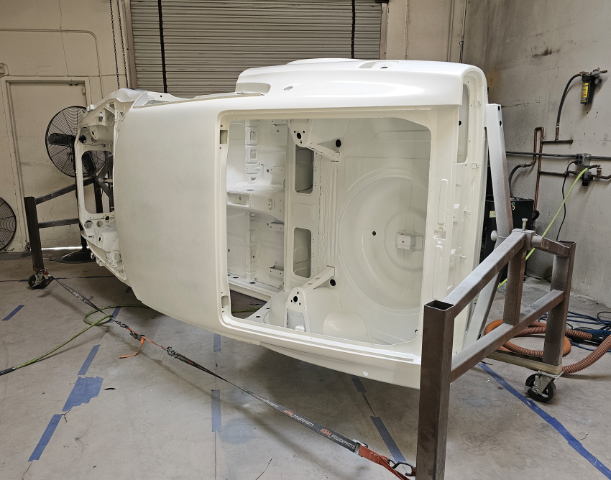
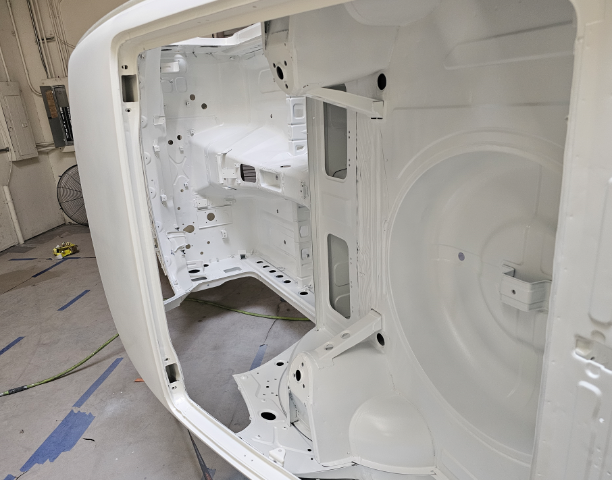
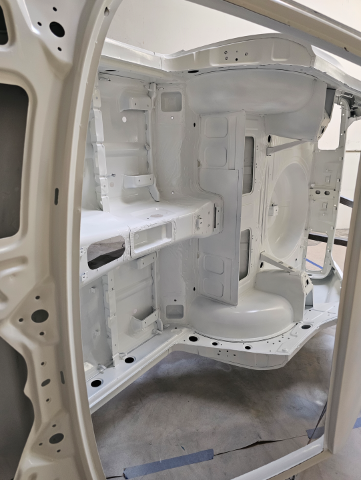
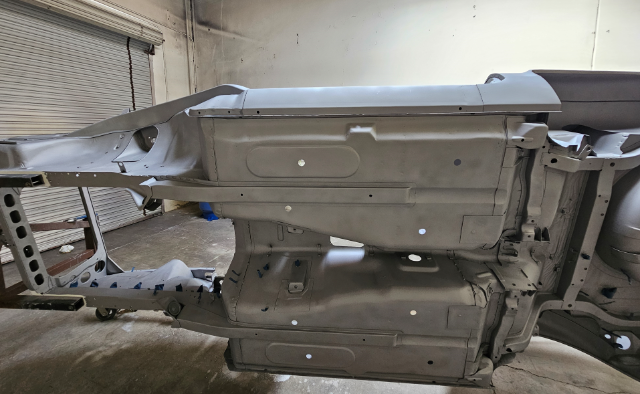
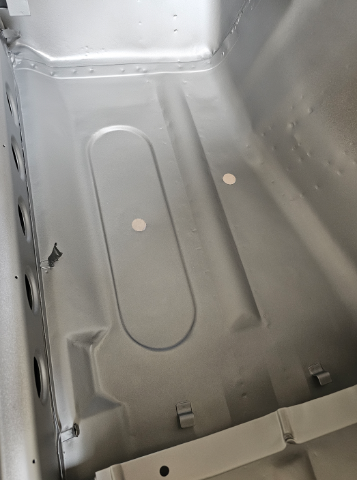
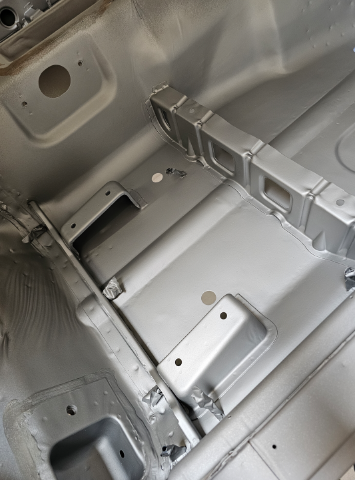
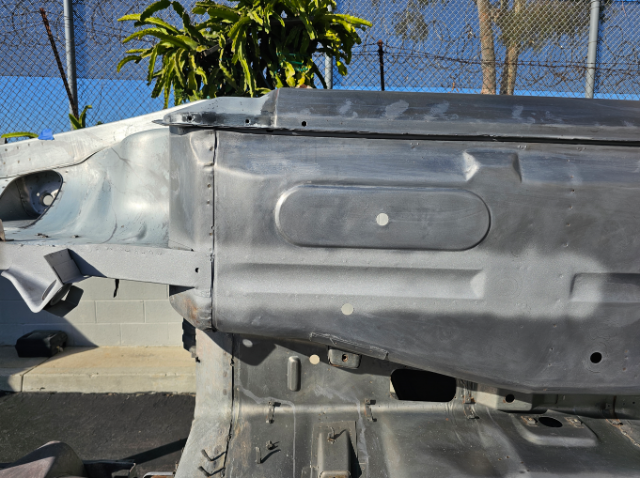
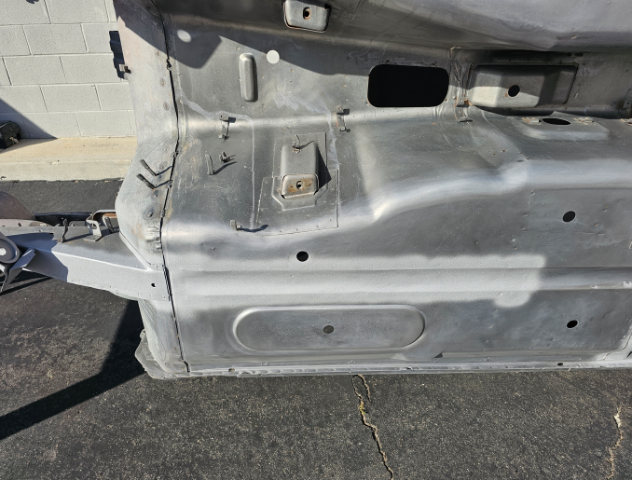
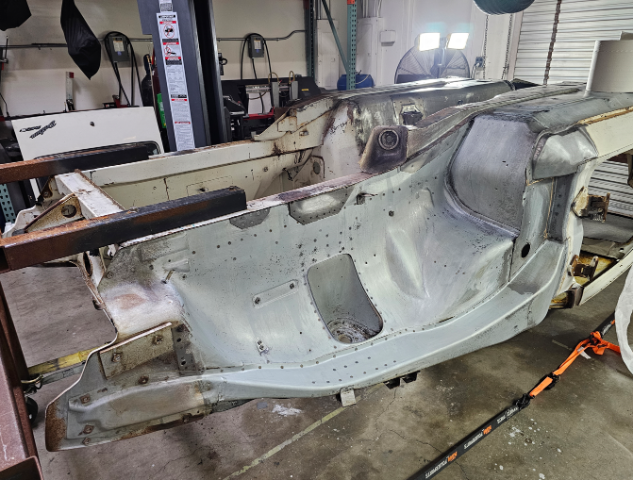
Its been an exhausting month of hard work getting the chassis in Epoxy to move it back home before the end of the month. Here is the process. 1.) strip all factory sound deadening/undercoating with a scraper, heat gun, wire brush. 2.) clean any residue with paint stripper and after-wash solvent. 3.) strip original paint from body with Citri-Strip paint stripper - again clean with after-wash 4.) remove interior tar paper with dry ice and liquid nitrogen. 5.) wash and clean entire body with Mastercoat metal prep - phosphoric acid rust neutralizer https://nomorerust.com/collections/metal-prep-rust-remover-products 6.) sandblast all seams and overlop joints. 7.) brush Mastercoat rust sealer primer into all seams and nooks https://nomorerust.com/products/mastercoat-ultimate-permanent-rust-sealer-silver-primer-original-sprayable-slim-quart 8.) lightly blast the floor pans with white aluminum oxide until white metal 9) brush 3 coats of Mastercoat rust sealer primer on to floors 10) blast the internal frame chambers clean and blow out any sand 11) spray the internal cavities ( rocker panels, rear fenders, rear internal quarter, and front internal cowl area with Matercoat using a 18 inch long extended tip spray gun https://paascheairbrush.com/collections/extension-spray-guns?shop_consented_scopes=email%3Averified+openid+pay%3Asession_token+profile+shop%3Aaccount_uuid&shop_sign_in=true using a 360 degree spray tip to coat all surfaces 12) sand the entire body removing any Mastercoat not reaming in pits or detents 13) sand the entire external body shell and underside with 180 grit and clean with wax and grease remover 14) lightly blast entire body inside and out until perfectly clean and lightly textured to promote adheision - holding the blast nozzle 12 to 15 inches away at 60psi with white aluminum oxide 15) hours blowing out the remaining grit 16) again using 360 degree long extension spray gun, paint all internal cavities and under sides with DPLV Epoxy Primer 17) Spray entire body inside, outside, underside with 2 coats of Epoxy Ridiculous amount of hours https://www.youtube.com/watch?v=y-kogRrJYJU
-
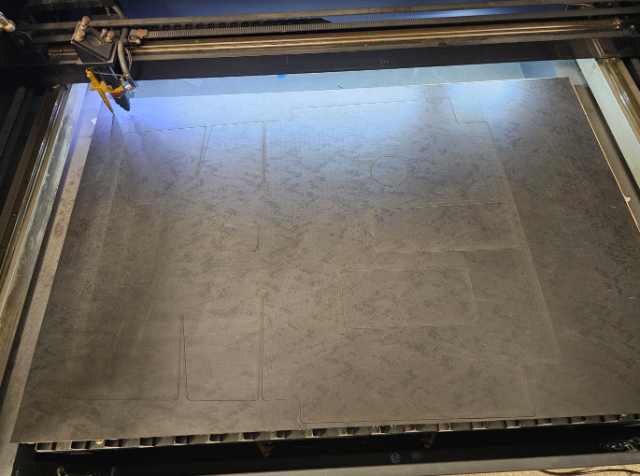
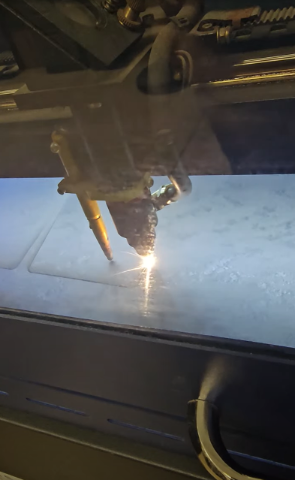
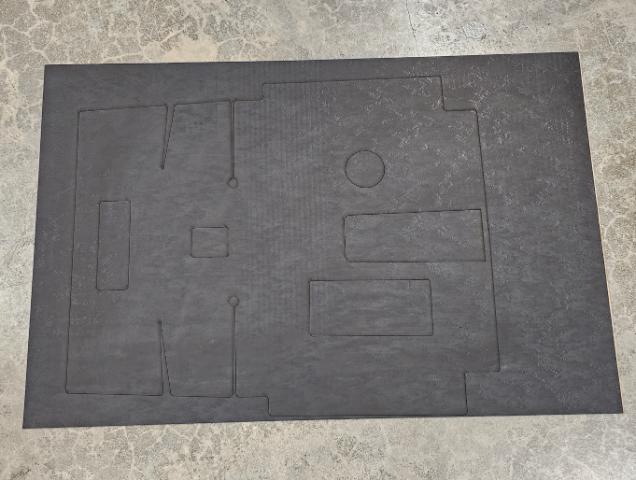
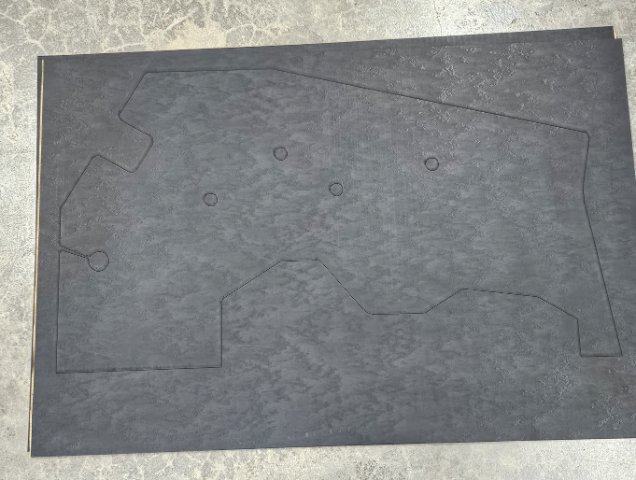
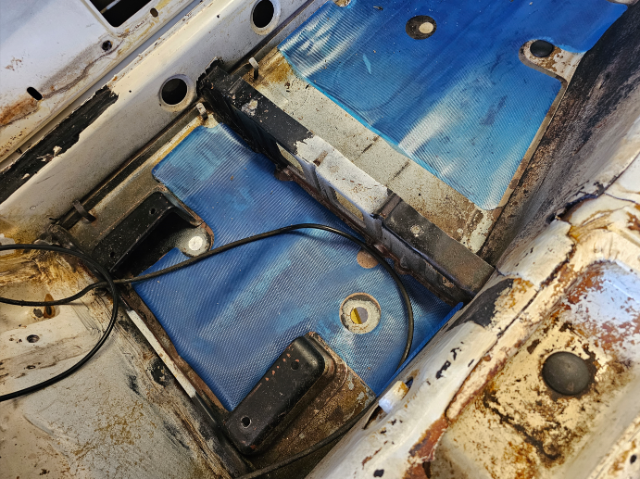
I also finished cutting the new Tar paper that will go on the interior floors and trans tunnel. I have a laser cutter at work. This is a Nissan part and still available as blank sheets. Unfortunately, even though it is correct, it is expensive at $100.00 USD per sheet. It took 6 sheets for the entire interior. This is the material on the laser After the metal is ready, I will epoxy coat it first then apply the sheets. Unlike OEM that had bare metal under it, this should be substantially better at keeping water from getting under it and rusting the metal
-
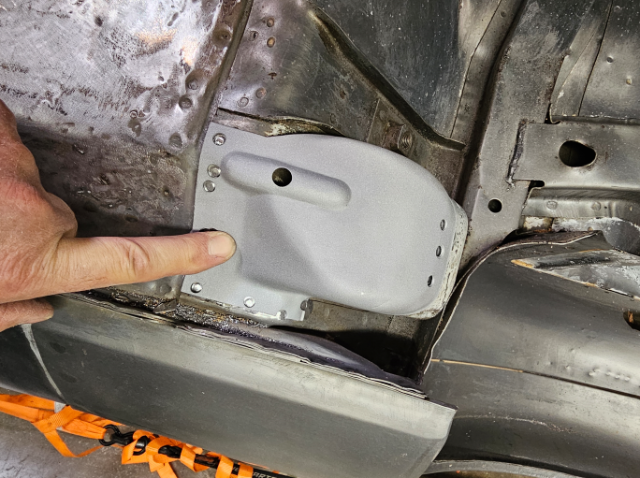
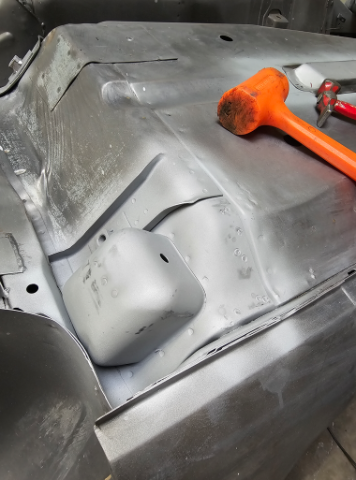
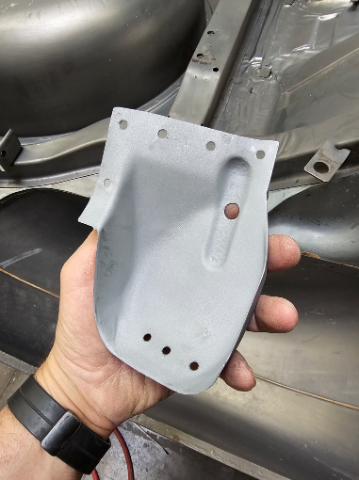
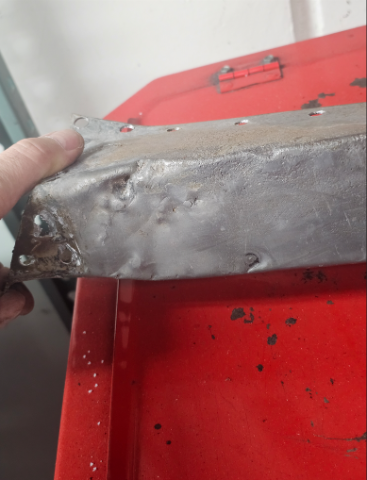
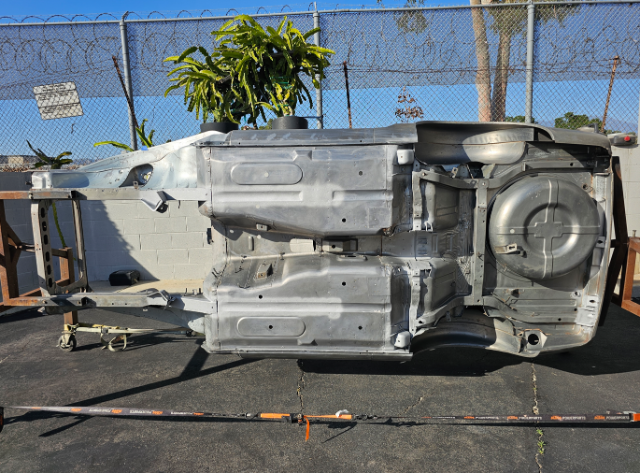
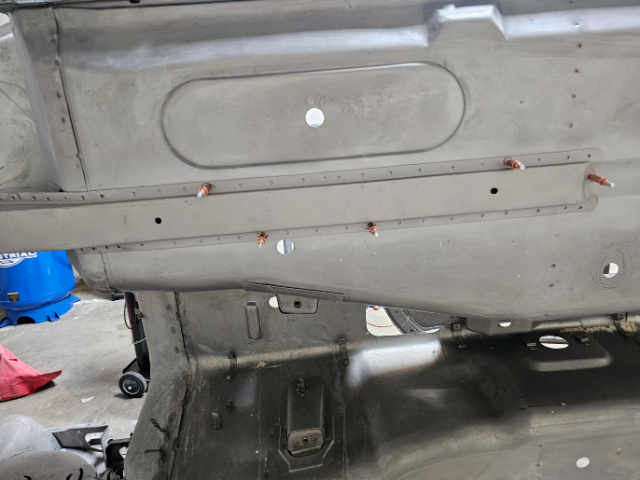
Another productive weekend. Unlike my Turbo chassis that has a late 71 build date, this car having a mid year build date has protection plates over the seat belt pockets. But of course they were used by the PO to jack the car and dented them up. I drilled out the spot welds and removed them, allowing me to straighten the dents and blast underneath them. Before: After: All sprayed with weld thru primer and ready for plug welding back on.
-
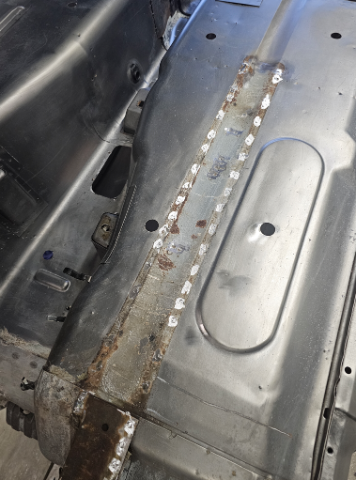
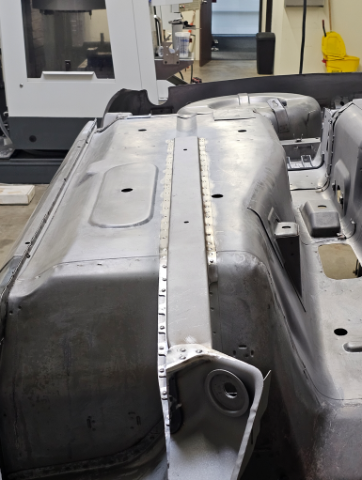
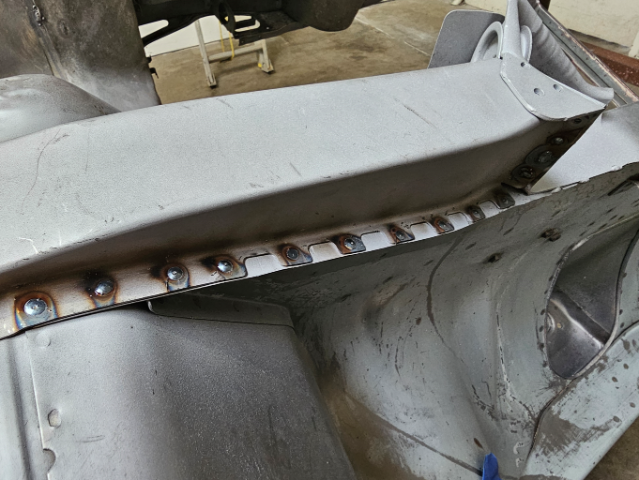
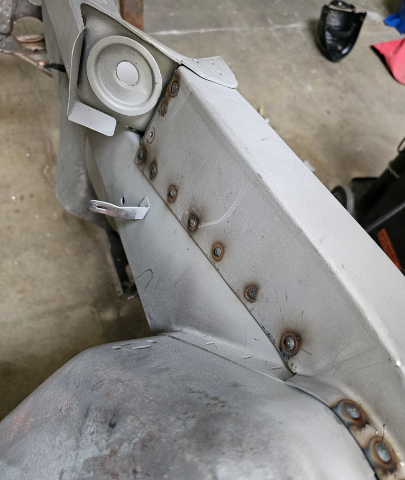
Since the frame rails were dented up pretty good from wrong floor jack positioning, I decided to replace them and this would also give me the opportunity to really get the original metal floors flat, and the metal shrunk and tight. They were surprisingly clean inside. This is the floor pan after removing the spot welds and frame rails. After some wire wheel work, and metal prep acid wash with Scotch-Brite, I worked and shrunk the metal with a shrinking rod and them smoothed it with a shrinking disk. Nice and flat getting it to what original would have looked like, leaving all spot welds and original deformations in place. I then lightly blasted the overlap areas and applied Weld-Thru paint. I then fitted the new frame rails, they took a bunch of work to get the correct shape and to match the original contour of the floor pans. I then copied all the original spot weld locations and drilled 3/16 hole to plug weld. I used several Cleco clamps to hold it in place and tight up against the floor pans. Next I used my MIG and plug welded them in place Finally I will grind smooth the plug welds More after the weekend
-
Thanks for the replies and comments. Time is always an issue, however Im at the age now where my daughter is 26 years old and working full time. Been married 30 years so the wife is obviously understanding of my hobbies. Hopefully continuing to make progress regularily. Hoping more people come back to the forum and participate in the community. Here is a picture of me and my daughter when she was probably 2ish years old, same car Im working on now. I need to get her back in the shop for a new photo - Time flies
-
Catch me up the last six years of how to Z community the internet
MONZTER replied to tim.d's topic in Non Tech Board
I miss the old days of humble build threads, great comments and passion for building. All the FB and You Tube stuff seems like "hey look at how special I am, I can weld metal... ect" then people just talking shit how they suck and how much better they are. Just self-promotion for one’s self over passion for our cars and community. I think the Me/I generation is the problem mixed with ADD for anything longer than a sentence and complex thought. To ask for help is to say you dont know everything and today that is death. So yes I am an old guy now so look at me just like I used to look at my parents when I was young HA. Ill keep posting here, at least it is one thread that follows my project for anyone interested. I appreciate the comments, critisim, and help. -
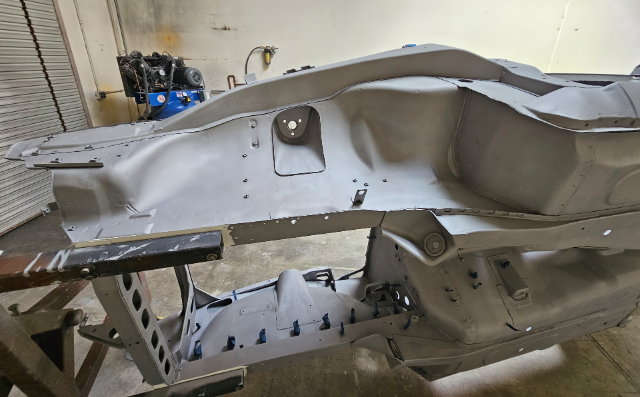
Been spending alot of time getting the chassis on the NA car cleaned up and ready for paint. Its a super clean almost a no rust car, so I want to strip it completly bare, metal prep it, straighten the floor pans which are really clean just slightly dented from wrong jack points. I started out by stripping everthing off and making digitized and CAD files of all the tar flooring. You can still buy it from Nissan. I have a laser cuttter so I will use it to cut all the replacements. It is an original paint car, so it was hard going in on it. Next I put it on my rotissary I built for the Turbo car and got to work on stripping all the factory undercoating. Using a heat gun, scraper and some mineral spirits did the trick but it took a long time. All super clean original metal under the car This is what it looked like under the front fenders BEFORE cleaning, so super happy and even under the cowl all original paint
-
Looks nice, Im guessing 260hp at 6500 to 7000k Do you plan on dyno testing it? Seems like it will be a super fun street car. Realy clean but not so over the top that you cant drive it everyday and enjoy it. Looking forward to more.
-
Been a while since I posted any updates. Been moving along. For the Turbo car I decided to build my own wheels. Ill CNC machine the center sections myself and have the lips and barrels spun for me. I really like the old SSR RS8 wheels but finding them in the correct bolt pattern, offset, and caliper clearance is impossible. I fould a set close, from Japan and had them shipped over. Since this car uses Z31 hubs and such, the spacing is out much more than a standard Z so I need a bit more positive offset. I dissasembled the wheels and scanned the center section into my computer and reverse engineered the shape. Next I re-assembled them and had the 245-45-16 tires Im going to use mounted. I test fitted them to the car, and close, but not good enough. This is the fist time this chassis has been rolling on its own wheels in 27 years. Its been on a cart or a lift. Felt good to see some progress now that the suspension, brakes, and cross-memeber are finally complete Scanned this complete assembly and put it in CAD. Now I have the exact shape of the tire on the rim. Cool cross section of it. Finally I scanned the side of the car, put it into CAD. Now I can adjust my wheel center offset for caliper clearance, and adjust it to work with new Lips and Barrels I will order for the proper offset and fit to the car. Having it in CAD alowed me to look at it from every angle and check all clearances, for calipers, springs wheels lip, ect. Even compressing the suspension to make sure I have fender clearance at full travel Final wheel spec is: Rear - 5 lug = 245-45-16 on 8.5" width rim- 27mm positive offset, 2.25" outer lip on the rim Front - 5 lug = 245-45-16 on 8.5" width rim - 31mm positive offset 1.75" outer lip on the rim Next I need to find some time to program the CNC and start cutting chips. But I got distracted on the NA car, so that update is next.
-
Yes, still working on then, just have not posted anything. Bought some expensive components that take time to recover from. A blank PAMS head, that I then designed and has DelWest make me titanium intake valves, Inconel mnemonic stainless steel exhaust valves, also MoldStar 90 seats and guides. Had it assembled, and ports cleaned up for some nice flow numbers. Also purchased a Nismo 6 Speed Trans that was also strengthened and modified by HPI in Japan. I take some progress pics soon.
-
More pis of it finished up The bottom plate was beat up a bit and bent from floor jacks. So I took off the old one by drilling out the spot welds. I then drew up the shape and had a new one laser cut. The center plate that is welded to this plate, I re-made it as well, but out of 304 stainless steel. This way I can leave it a brushed stainless finish after powder coating and it is a good place to use a floor jack. I then spot welded on the larger plate in the original locations I then tigged the seam between the spot welds Then tigged on the center stainless plate Then blasted the entire cross member and powder coated it in a super black semi gloss powder coat. Powder coated the motor mounts as well I always first do a primer powder coat that is sandable I sand most off this off to fill the small blemeshes Then final coat Finally the brushed stainless plate for the floor jack Next up is getting a new transmission, then finishing the exhaust
-
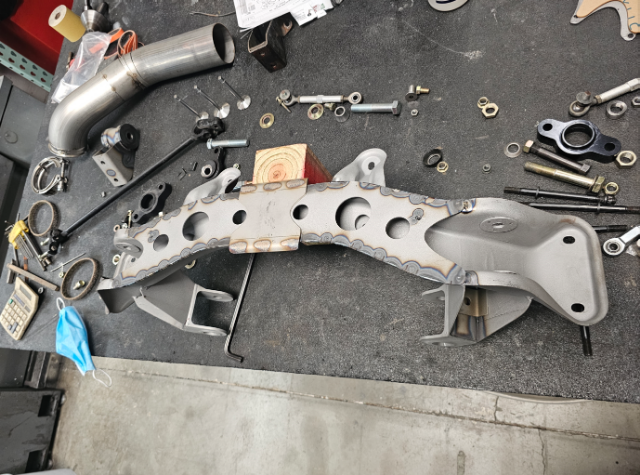
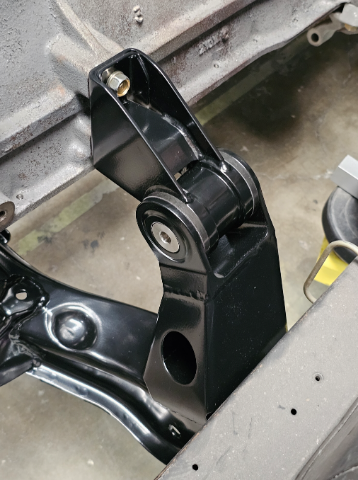
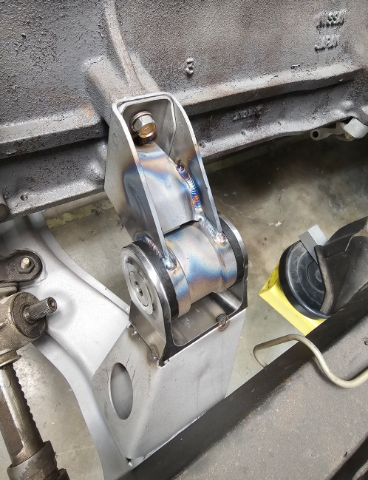
I finished up the front crossmember and motor mounts Started with a stock crossmember with the need for new engine mounting since I moved the engine in the chassis back about 1 inch. I extended and boxed in the existing upright Some grinding and blasting to clean it up 3 D printed mockup of a machined bracket I made to accept the moustache bar busings. I designed these years ago and have been in the NA car for 15 years. Worked well I machined this weld in bracket out of a solid chunk of steel because I wanted the details for the bolt holes and you could not do that with bent sheet metal. Stupid but fun. More soon
-
Thanks, I enjoy keeping up with your projects as well, nice work you are doing on the intakes. I machined this plenum years ago. Made from 2 halves and welded together. Hoping to one day run it.
-
No, scanner, I want one but not yet. Just did all the suspension and reverse engineering old school with calipers just measuring. It's all pretty simple stuff