Leaderboard




Popular Content
Showing content with the highest reputation since 10/05/26 in Posts
-
I am trying to get out one more time this year but the weather here in New England may say otherwise. Car has been good. a few minor tweaks here and there. I have about 650 street miles on it. Did get a tire puncture which is rough because the tire had 400 miles on it, I plugged it but I think I need to replace it if I'm going to race it because the internet says a plug wont hold with the heat of racing. I did get some photos sent to me from the event i did in September that i wanted to share.
 4 points
-
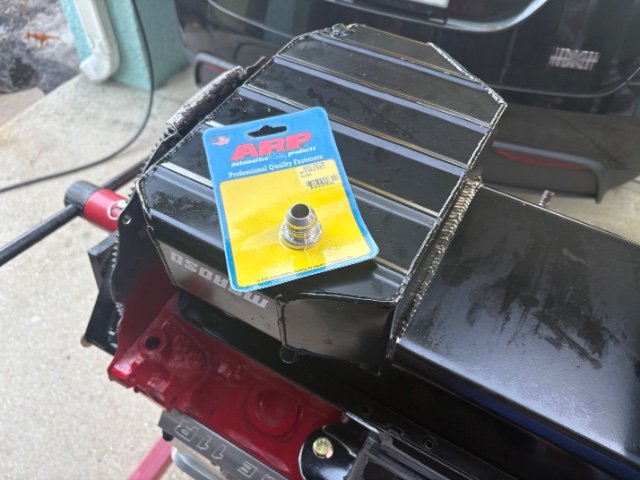
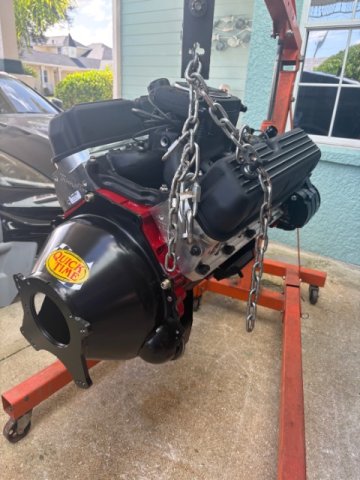
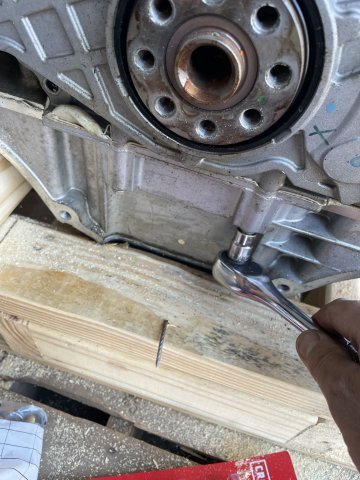
Did another motor test fit and added the bell housing to check for clearance. Looks like the oil pan will be a problem. I’m going to try and cut the corner and weld it back at an angle 🤷♂️. Everything else was looking good though. I had also wanted to weld this 10AN bung so I could attach the oil primer pump, but didn’t feel like taking the oil pan off, so now that I am, I’ll get this added too.
3 points
-
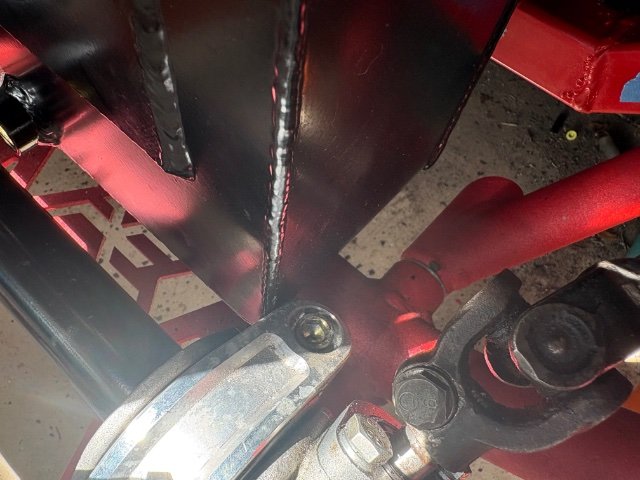
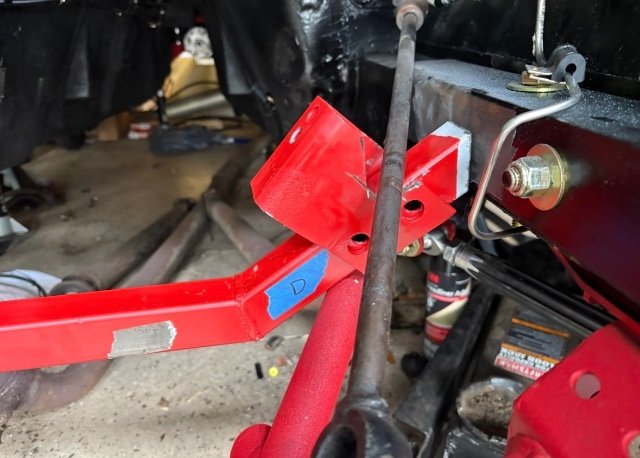
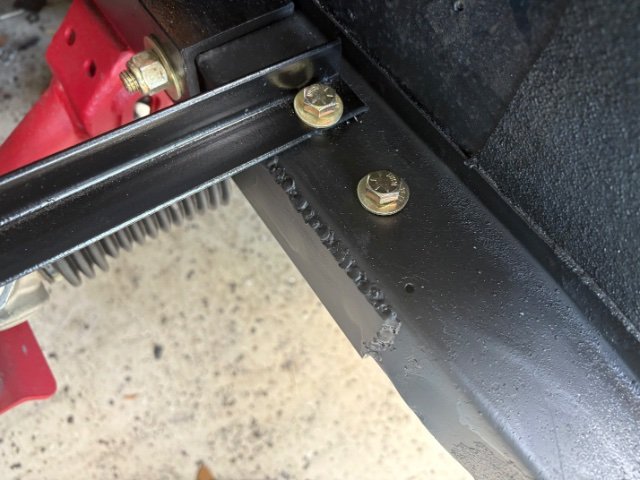
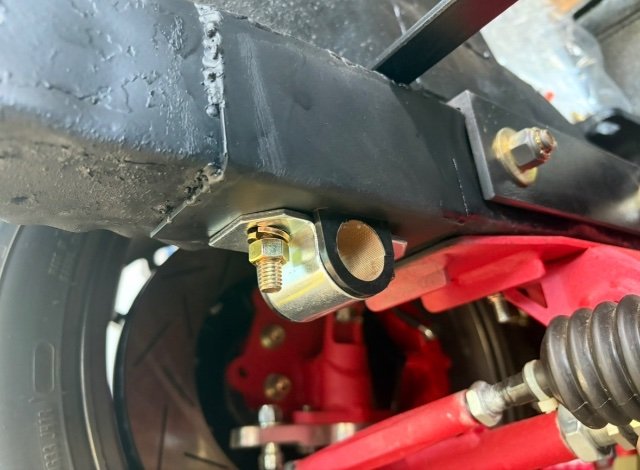
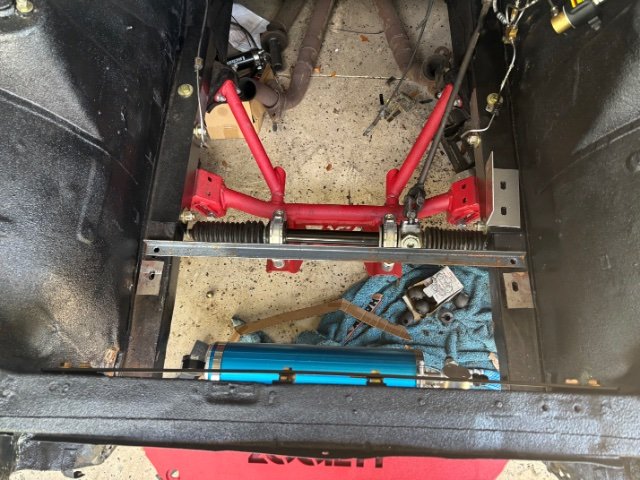
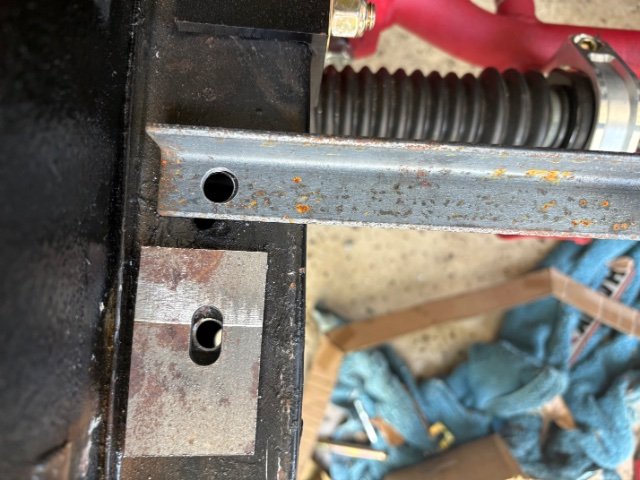
Made a notch on the engine mount bracket for the steering shaft, hopefully I can test fit the engine again next weekend. I finished sway bar mounts. Tacked in sleeves for bolts to through bolt it to the frame. Also tacked/welded this angle support for sway bay bar mounts, should be very solid now, I can check that off the list.
3 points
-
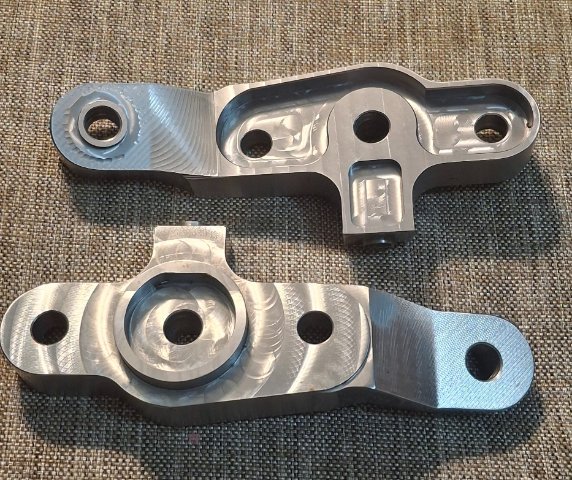
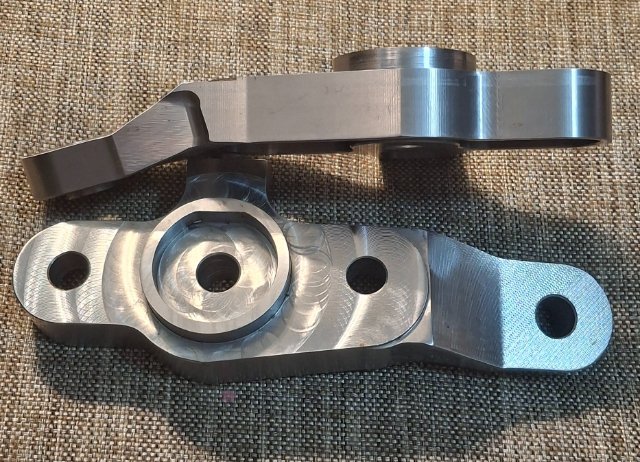
Sometimes life changes my priorities, but I never lose the dream. Being a single father has its challenges and my shop time has been reduced. But the good news is the car is very close to complete. Been waiting on these custom machined steering arms for quite awhile. In the meantime I am over halfway through renovating my race car trailer with living quarters and some heavy maintenance on the 2500 tow vehicle. Anyway here is a shot of the new steering arms. I think I posted about the need earlier. With 8 deg of caster and my circle track steering rack, stock arms just did not work anymore. At least if I didnt want a ton of bump steer. Since I needed new arms anyway, I incorporated an inner threaded boss to mount the sway bar linkage rod end directly to the arm. If anyone has increased their caster to the point of needing similar, let me know, they can be reproduced and sold. Special thanks to my buddy Jim at Native Manufacturing for turning a big piece of barstock into many chips.
3 points
-
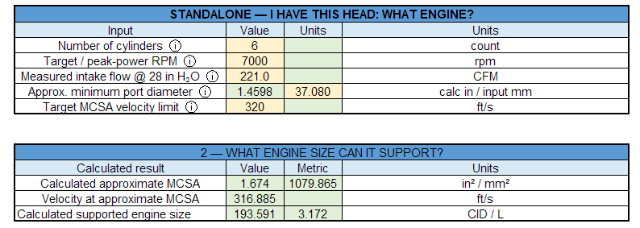
Duffy, that helps quite a bit. With the 37.08mm measurement being the equivalent diameter of your port opening, and that the flange is at or near the MCA, this changes my original calculations considerably. At 221 CFM, the calculated velocity through that opening drops from 356 ft/s with my original 35mm assumption to about 317 ft/s. That's almost exactly the 320 ft/s design target I was using for the L-series port. Using that new dimension, 221 CFM and a 7000 RPM peak horsepower target, my calculator comes up with a 3.172-liter engine. That's remarkably close to your actual 3.122L. So based on these assumptions, your displacement and intake port size appear to be pretty well matched for a 7000 RPM power peak. That's encouraging, especially considering your goal is a responsive street car rather than an 8000 RPM race engine. (At least what I think, for what its worth) I also did a rough port-volume calculation using your 45mm intake valve, an assumed 90% throat (40.5mm), an 8mm valve stem and the port centerline length from my E88 measurements. Assuming a gradual expansion from the flange toward the throat, I get approximately 124cc. That's only a geometric estimate, since we don't know the actual CSA progression or how Andy shaped the bowl and short side. We will use this number later to look at average port dimeter. What Andy is doing around that short-side turn is particularly interesting. If he's increasing the area and controlling the flow as it approaches the valve, that could help explain how he's getting those flow numbers without an excessively large flange opening / MCA. The one thing we still don't know is whether 37.08mm is actually the smallest section or whether the port necks down somewhere else. On L-series it is typically pretty close to the flange or about an inch in before the turn. But this new information makes your 221 CFM result much easier to reconcile with the port geometry and displacement, and it suggests your existing combination is reasonably close to the type of driving you described. The next step would be looking at your actual cam timing and intake runner length to see how well they're matched to that 7000 RPM target. We can do that in the rest of the tabs in my calculator Im working on But look when we put that head on a 2.8, A real ripper at 8k
2 points
-
Thanks, both of you, I appreciate the honest pushback. I know a rear-engine layout isn't the "optimal" choice on paper, and I've looked at front-engine and mid-engine versions of this car. I chose rear-engine on purpose because I want the car to feel 911-like: lots of traction out of corners and under braking, with the character that comes with that. A mid-engine layout would also eat the 2+2's rear seats, which is part of why I bought a 2+2. To keep the weight bias under control, the plan is to mount the VR30 as low as possible on a dry sump, push it as far forward as the transaxle allows, and put the radiators, battery and fuel cell up front. I'm also expecting to need wider rear tires and a suspension setup that's tuned for it. If anyone has real corner-weight numbers from rear-engine swaps, or tips on suspension geometry for a tail-heavy car, I'd love to hear them. And if I'm missing a showstopper, please tell me now before I start cutting.2 points
-
Got the axle situation sorted with some new upgraded shafts. i replaced both sides just incase. and for your viewing pleasure some new england fall foliage shots.
2 points
-
New Haltech R3 harness is going in! So far I love having the ecu on the battery, it has made the process super easy
2 points
-
Hi all, I'm very happy to announce my new business Boltright Automotive Hardware. I've been restoring my 260z for over 10 years now and like many I wasn't exactly careful with the hardware when pulling the car apart. So instead of trying to find the right bolts for the right place and having them re-plated I had a better idea, purchase an original unmodified parts car, measure every single bolt/nut/clip on the vehicle and match it as closely as possible to a new piece. Yes it was painful but it has allowed me to offer the community a near complete full vehicle kit for the S30, with over 2600pcs. The included hardware is as close to OEM as possible, individually labelled for a smooth reassembly process. Nearly all pieces are Japanese made with only a few exceptions here and there. Not needing every bolt? I've got you covered too, you can purchase one section at a time also! Happy Bolting! https://boltright.com.au/#/kit/s30
2 points
-
Through bolting the sway bar is definitely a good idea. On mine, I ran a thin wall tubes through the holes in frame rail and welded them at the holes in the frame. The tubes allow me to fully torque the sway bar bolts without crushing the frame rails.2 points
-
Hey all. I'm planning a pretty out-there build and want input from people who've cut up Zs before I start. The car: a 1975-78 280Z 2+2 (GS30, 2605 mm wheelbase), orange. Budget-minded: about $4k for the car and about $3k for the gearbox. The plan: a 911-style rear-engine layout. - Nissan VR30DDTT twin-turbo V6 mounted fully behind the rear axle on a dry sump, aiming for about 600 hp - Porsche 997 Turbo G97/50 6-speed transaxle converted to 2WD (a 996 G96/00 is the budget fallback), with 930/996 Turbo CV axles - A bolt-in cradle so the engine and gearbox drop out the bottom, plus a louvered top service lid - 288 GTO-style slotted quarter-window vents feeding the turbos - LED headlights in the stock buckets, flares, black wheels I've done 3D layout renders (attached). Questions: 1. Adapter: has anyone made or bought a VR30 to Porsche G50/G97 bellhousing adapter? Who would you go to? 2. Weight bias and handling: with that much weight behind the axle, where would you start on rear suspension geometry and spring rates for a street car? 3. Chassis: how would you strengthen the unibody and design the rear subframe/cradle so the rear doesn't twist? 4. Cooling: front radiators with long lines, or side/rear radiators? What has worked for you? 5. Wiring/ECU: what standalone ECU would you run on a VR30 (Haltech, Link, MoTeC, other)? 6. Precedent: has anyone actually done a rear-engine Z? Build threads would help a lot. Any "don't do it, here's why" feedback is welcome too. Thanks!
1 point
-
I could be wrong but I believe the extra length of the 2+2 sits mainly in the doors and middle of the car. That should make the rear wheel hub to rear body distance the same as a 2 door 280z. As the extra length of the 2+2 sits in front of the rear axle would it not be more beneficial to rotate the assembly and consider a mid-engine layout? I’m no 2+2 expert so I can only use my 2 seater ’77 280z as a reverence but this might give you more room to work with and eliminate the rear weight bias. Also consider adding some aerodynamic improvements to the car (especially the front) as the S30 Z’s naturally gain lift add speed. A front spoiler or air dam in combination with a ducktail spoiler should be enough for most Z’s. As for your other questions, if you brace the subframe good enough and also add a roll gage then I wouldn’t be that afraid of rear body twisting. Just extend the roll cage toward the rear and trinucleate the rear quarters. As for cooling I would keep the radiators in the front together with a good size fuel cell and use water to air intercoolers for the turbo’s as you still want to increase front weight. As for ECU’s it’s mainly up to (the tuners) preference, I personally like halltech as they have a lot of support and pre made aftermarket engine harnesses. But the most important thing is just doing what you really want to do and making your dream a reality. I really like the idea of this project and love the renderings, the front arches reminds me a bit of a 250 GTO.1 point
-
Thanks for the honest feedback, everyone. rturbo, flatout, I hear you on the weight bias. flatout, your packaging math is exactly what I needed. I'm planning to move the rear axle line forward with a shorter 2-seater door so the transaxle outputs line up and the halfshaft angles stay under 15°. That should pull more of the VR30 inside the wheelbase. I know it'll still be tail-heavy, so I'm planning a reinforced rear subframe, a cage, and coilovers tuned for it. On budget and experience, I'm going in eyes open and doing as much of the work myself as I can. Still hoping a 2+2 owner can share the hub-to-bumper measurement so I can firm up the numbers.1 point
-
That’s a fair point — I wouldn’t use this 1.5 mm Z-pipe as a primary header or turbo manifold either. The intended use is downstream custom exhaust routing, where the main problem is packaging around existing components rather than supporting the turbine or collector. In that position, 1.5 mm stainless is a very different application from a manifold seeing direct turbine heat, concentrated collector stress and repeated flange loading. The part is mainly useful where two pipe paths need to cross in a compact space. The printed junction gives a controlled internal divider and repeatable geometry, but it does not remove the need for proper support, purge welding and a good transition to the connecting tubes. I agree with you on the manifold side: 321 and a thicker wall make much more sense for long-term durability, especially around the collector and wastegate. For the Z-pipe, I would still treat the actual vehicle, heat exposure, unsupported span and hanger layout as the deciding factors rather than claiming that 1.5 mm works everywhere. Also agree on back-purging the manifold. Solar flux can be useful when purging is difficult, but I would not treat it as equivalent on a highly stressed turbo manifold. Fixture the flange during welding, control the heat input and check it flat afterwards — that is usually more important than the material debate alone. Your point about ceramic coating and heat shielding is also well taken. On a street or competition car, shielding the master cylinder, wiring and nearby components is often more valuable than relying on the coating to survive indefinitely at the collector.1 point
-
Hey all, I'm mainly looking for 280Z 2+2 owners. Could someone measure from the rear hub center straight back to the rear body panel, and to the back of the bumper? I'm checking whether a rear-engine VR30 swap will fit, and I can't find this number anywhere. Please include your car's year and whether it's a US car. Thanks! Chibuike1 point
-
what is the final use of the combo? I wouldn't use 1.5mm a header/manifold for anything other than a dedicated drag car. I'm not a full time fabricator, but I've made a hand full of turbo manifolds with pretty good success for street cars over the years and my experience is I choose sch 10 pipe. (.109 or 2.75mm wall),But I choose 321 not 304. I have used SCH40 304 (~.140" or 3.5mm wall) but I don't think that is necessary unless your looking for extreme structure and weight is no concern. 321 seems to hold up better over time than 304. I've also probably gotten better at welding over the years but I have had two 304 manifolds end up cracking at the wastegate/collector after about 10 years and two 321 manifolds still holding strong. But i also have a handful of 304 that didn't crack. (at least not yet) I recently just made one for my Z out of 321 based off that information as well. As far as back purging. Id say for a manifold its 100% necessary. Its always a pain in the butt and I'm not sure what the best technique is. I do use solar flux regularly on larger diameter pipe like downpipes, turbo backs, or turbo cross overs for V8's with good success too. I feel those structures don't see quite the extreme stresses that a manifold does so i don't know if its as good as back purging. I would say if you can't backpurge then solar flux is the next best thing. as far as flange warping. you need to bolt it down to some sort of flat fixture for all welding. i've had a few that still bow a little and need to be sanded/milled flat but usually if you have it bolted down it holds up fairly well. After the turbo I use .065 (1.65mm) 304ss for the first elbow of the downpipe and have never had an issue. street, drag, drifting or road racing. back when i drifted i would cook ceramic coating off at the collector. I do think some people have good success with it tho so maybe an installation concern. but other wise i header wrap everything. and use a quality turbo heat blanket and heat sleeving around anything important. A master cylinder requires a shield for more organizations.1 point
-
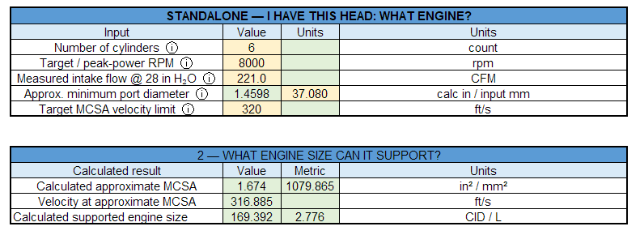
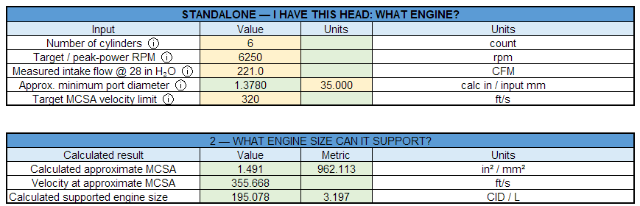
Duffy, thanks for the numbers. Let's see how this works out. My plan is to approach this two ways. First, "I have this cylinder head, what bottom end does it want?" Second, "I want to build this engine, what cylinder head do I need to support it?" Let's start with the first one. I've made a bunch of Excel calculators to help automate this process. Since I don't have all the details of your head, I'll need to make a few educated guesses. We have a 45mm intake valve and 221 CFM, which I'm treating as corrected to 28" H₂O. You mentioned roughly stock-sized ports, and this is where things get interesting. Flow numbers alone only tell part of the story. I'm going to assume a 7000 RPM peak horsepower target and a 35mm MCA (minimum cross-sectional area), expressed as an equivalent round diameter. The actual minimum might be at the flange or somewhere farther into the port. We won't know without measuring it. MCA is important because it determines the calculated average velocity through the smallest section of the port for a given airflow. For this example, I'm using 320 ft/s as a conservative flowbench-based design target. The L-series has a relatively low intake port with a sharp turn over the short-side radius. Picture a race car going around a track. You can carry plenty of speed down the straight, but enter a tight corner too fast and you're going to have problems making the turn. A modern high-port motorcycle head with a straighter approach to the valve might tolerate 350–360 ft/s. These are design guidelines, not hard limits. Port geometry and flow stability ultimately determine what's acceptable. Also, these are steady-flowbench-based calculations, not instantaneous velocities in a running engine. Dynamic sizing methods use piston demand and RPM and can produce considerably higher numbers. We've used approximately 613 ft/s as a dynamic design reference, but that's not a direct conversion from 320 ft/s. First example: 7000 RPM and 320 ft/s design target. The calculator gives us a 2.854-liter engine. Is that correct? Maybe, maybe not. It depends on what you're building. With our assumed 35mm MCA and a conservative 320 ft/s design target, the calculator suggests approximately 2.85L as a starting point for a 7000-RPM power peak. Notice the calculated velocity at MCA is 355.7 ft/s. That's based on the head's reported 221 CFM through our assumed 35mm minimum area. It's not a measured local velocity. The calculator is actually sizing this engine around approximately 199 CFM of required flow, corresponding to our 320 ft/s target. The head's full reported flow capacity remains 221 CFM. Now let's increase our design velocity target to 350 ft/s. Now we get a 3.122-liter engine. Same head, same assumed port size, same 221 CFM and the same 7000-RPM target. The difference is that we're allowing a higher calculated velocity at the engine's required airflow, approximately 217.5 CFM. But can this particular port support that demand efficiently? That's the question. If the airflow becomes unstable, especially around the short-side turn, cylinder filling may stop improving as RPM increases. This is where an engine can start running out of steam earlier than expected. A 3.1 or 3.2-liter engine needs more than a good peak CFM number if you expect it to keep making power at high RPM. The port needs the correct area, shape and flow characteristics to support that demand. OK, one more. Back to 320 ft/s, but lower peak horsepower RPM to 6250. Now we're at 3.197 liters. Nothing about the head changed. We're simply asking it to support peak horsepower at a lower RPM, where a larger engine can operate with less airflow demand per unit of time than it would at 7000 RPM. Here's how the three examples compare: The required-flow values come from the workbook's sizing model, not measurements of the running engine. Notice that 355.7 ft/s never changes. It's calculated from the same 221 CFM and 35mm MCA in every example. What changes is the engine's calculated airflow requirement at its target RPM. So what's my point? Flow numbers alone don't tell you how much power an engine will make or where it will make it. You need the right combination of airflow capacity, port area, displacement and RPM. None of these combinations is necessarily bad. They're just different engines that need different supporting components. A smaller displacement with a longer-duration cam might be happier running higher RPM. A larger displacement might make a better street engine, producing strong torque and reaching peak power sooner. Each would need its cam timing, intake runner length and exhaust system matched to the intended powerband. The mistake is assuming you can have everything simply by adding displacement, camshaft and RPM without considering airflow and velocity. This is why I think people need to be clear with their engine builder about what they actually want the engine to do, then select the components to support that goal. Getting back to your head, there's another important part of this. MCA is the smallest cross-sectional area anywhere along the port. Average CSA is calculated from port volume divided by centerline length. They're different measurements and tell us different things. Let's say your E31 has a 35mm MCA at the flange. At 221 CFM, that calculates to 356 ft/s. But if the port opens up to 37mm before the short-side turn, the calculated average velocity at that larger section drops to 318 ft/s. That's a significant difference on a low-port L-series head where the air has to make a sharp turn. This is why we need to know not only the MCA, but where it's located and how the port area changes toward the valve. Even with lower average velocity, poor short-side geometry can still cause flow separation. Port volume is useful too. For reference, a cleaned-up E88 measured approximately 104cc, a welded E88 measured 111cc, and the PAMS JP geometry calculates to approximately 129cc. These represent quite different port sizes, although volume alone doesn't tell us where the restrictions are. Ideally, I'd like to know your actual MCA, its location, and the intake port volume. With those measurements, we can make a much better assessment of what your head can support instead of guessing from peak CFM alone. And that gets us away from the bigger-is-better mentality and toward building an engine where all the components actually work together. Next, we'll look at the second approach: "I want to build this engine, what cylinder head do I need to support it?"
1 point
-
I'll just add some things to consider. At the end of the day. if its what you really want and you have the facts and still follow thru then more power to you. A Porsche transaxle usually puts the axles 5-10" behind the bellhousing. so take that measurement into account and add any adapters needed to attach to the VR. Axles shouldn't really be more than 15º at the joints. so looking at the wheel centerline the trans outputs can be a max of ~3" forward the wheel centerline. Overall length of a VR is probably 30" (measure yours). My Z is about 32" from axle centerline to tail lights. So my math is showing the accessory drive/engine will be sticking out the back of the car by several inches to line the transmission up with the wheels with the MAX angle of the axles. Now to take that placement into consideration even if you build something around the back of the car to encapsulate the engine or extend the rear, the entire engine, accessories, bellhousing, flywheel, clutch, headers, exhaust, Turbos, intercoolers, etc will be BEHIND the rear axle. Google says a bar VR weighs 430 and almost 500 with turbos and intercoolers. so id estimate 600 behind the rear wheels that a normal Z doesn't have. Comparing to a front engine Z. The factory engine is mostly behind the front axle toward the center of the car. a 4 cyl or v6 would probably be completely behind the front axle. Porsche engine is probably 6-10 inches shorter than the VR. A well handing Porsche target 60% rear bias. stock z is around 50 to 52% on the nose Mid engine GT40 is 55-58% rear. C8 corvette is roughly 60% rear.1 point
-
The show stopper is that it's a terrible idea. The Z simply is not meant to be rear-engined. It also sounds like you intend to keep a lot of the factory chassis (as opposed to a space frame and custom suspension) and make use of the rear seats. Well, you're going to have some 400-500 extra pounds way out in the rear of the car, and the factory suspension setup is not designed to cope with that, certainly not the relatively flimsy structure they're attached to. You're likely going to need a full roll cage to stiffen the chassis, at which point you lose the use of the seats. I think you'd be better off buying a 996/7 with a blown engine and engine swapping that. They've spent 50 years refining the chassis to suit the typically poor rear-engine layout, and it has excellent suspension on top of that, plus rear seats. You're basically trying to reinvent the wheel here. On the other hand, a VR30 in a Z would likely be just about a front-mid engine layout and would perform well if set up correctly. Those are your two realistic paths to a successful outcome, depending upon whether you prefer to have a Z or rear-engined 911. I strongly suggest you rethink your intended project here. It doesn't sound like you've thought through all the problems you're going to create by relocating the engine, and it is going to be very difficult to get it to work correctly. jhm also brings up a good point. What is your budget?1 point
-
A front engine Z is pretty easy to get 50/50. An aluminum 4 cylinder swap Z is very easy to produce a rear heavy bias. Id expect the VR to also be ale to be rear bias. I can't see without adding a bunch of weight to the front, a real rear engine Z car would be like 70% or more on the rear which would not perform well in any discipline. Mid Engine has a fighting chance of being decent balance if you can engineer it to be.1 point
-
Okay, don't do it. There are zero rear engined vehicles being produced today, other than the 911, which engineers at Porsche have stubbornly but successfully managed to develop into a good car. It would be one thing if you were wanting to do a mid engine swap, which the 2+2 chassis would give you more room for, but there is not a single reason I can think of why you would do this. You want the weight in the middle of the car, not at the very ends - research polar moment of inertia. I think you should stick to a front engine layout, as that is what the car was designed as. IMO, trying to turn a front engined car into a mid or rear-engined car makes no sense, and you're better off buying something rear-engined to begin with, and doing so it will likely produce a better result. Better to work with the factory design than against it. That said, if you want to reengineer the car, at least do something that makes sense, like a mid-engine. There's a good reason practically every modern super car is mid-engined and not rear-engined. You might provide some detail as to why you decided on a rear-engined swap to begin with, and what motivates you to take on such an extreme project. FYI, in the 20 years I've been on this site, I think I've come across exactly one mid-engine swap, which should tell you something about the nature of the project you want to take on. I think you might be better off building a car from scratch if you want a big fabrication and engineering project.1 point
-
That's unfortunate. Glad to hear that the new shafts are better quality, though.1 point
-
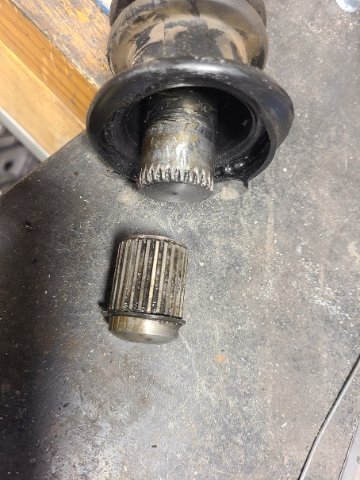
I had to buy them. If I had more time I would have gone an alternate route. Visibly they are heat treated differently and the spline cuts are cleaner. so I would suspect they had an issue with a supplier along the way and changed them. but I couldn't get any information from the guy on the phone. to put it nicely, the guy I dealt with was a "challenge" to deal with. took 5 phone calls and 4 emails to even get him to send an invoice.1 point
-
not a great photo but i have an array of turn buckets hanging from the front tubular support I built. I do think it may get a little bit of a revision at some point as it comes off easy but its tricky to get back on.
1 point
-
Looks like good stuff, @Andrew_l26 -- thanks for sharing! You may want to start a whole new thread on this, to ensure better visibility. We also have "Parts for Sale" and "Vendor" sub-forums; which would ensure our members have good visibility on your offerings. Thanks again for offering these kits. 👍1 point
-
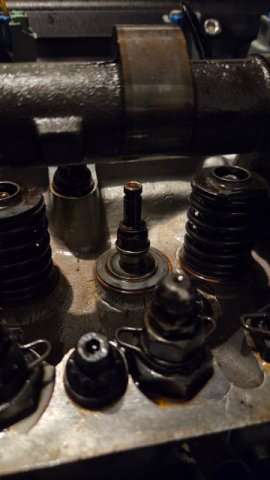
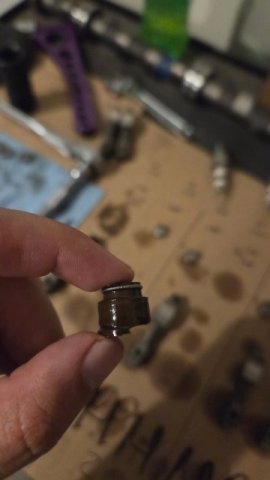
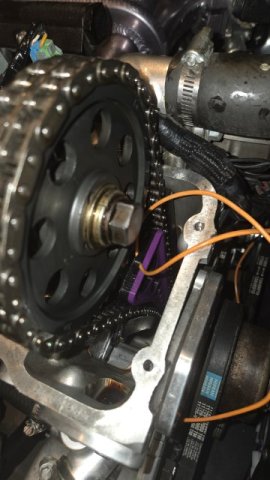
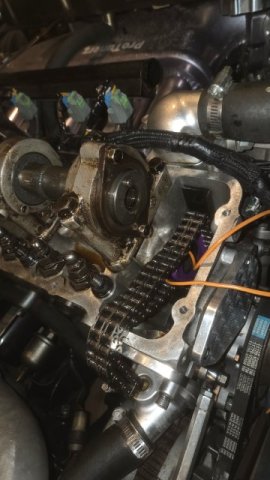
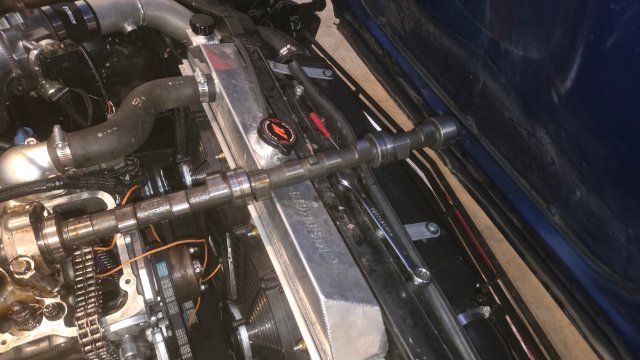
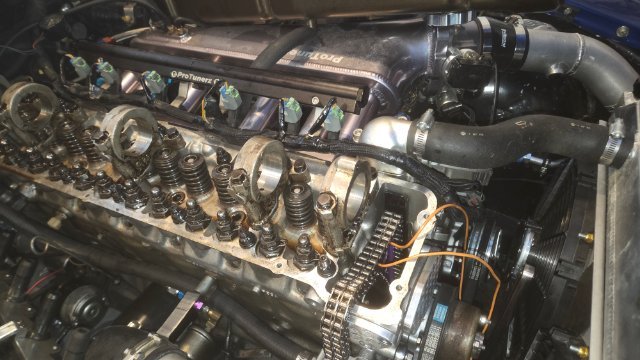
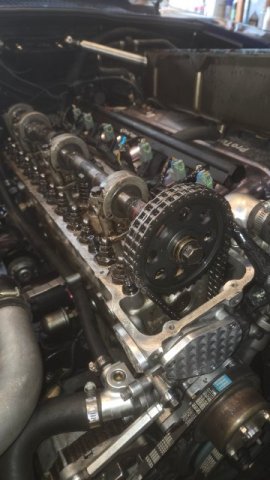
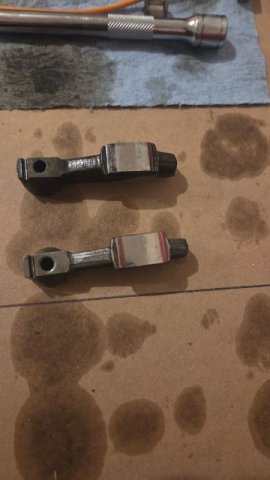
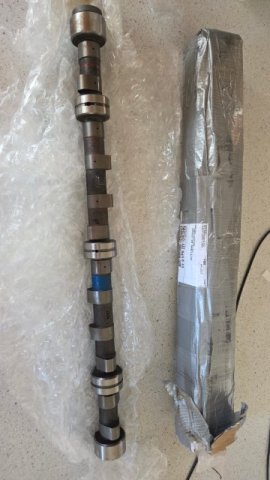
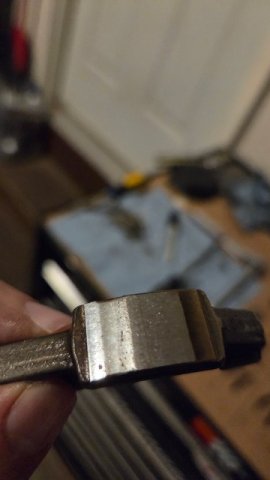
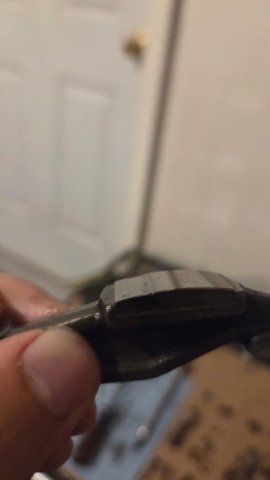
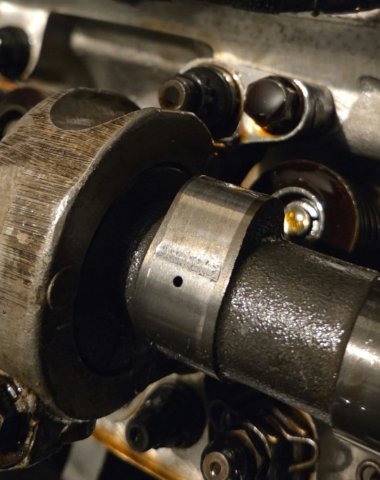
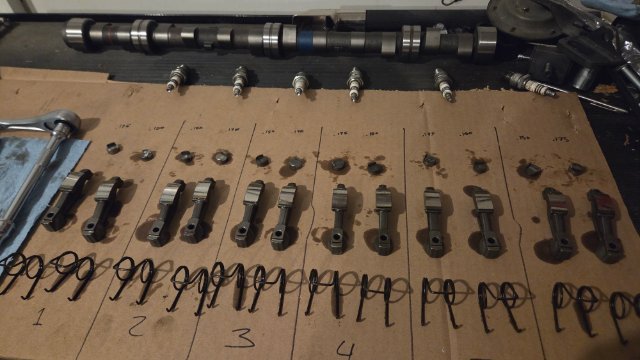
New parts arrived. Valve stem seals replaced. Several weren't even fully seated anymore and one was torn! Glad I suspected them for the oil burning when I realized just how much oil I was going through but the compression tested good. Aside from replacing the rear main seal, I think this is officially the most involved work I've done on an engine. Got the old cam out this morning and new cam in. Managed to get it out without removing the hood fortunately. Tested wipe pattern on the first two valves. Will try swapping the lash pads to see if it's better or worse. But if it's about the same I'm gonna just send it.
1 point
-
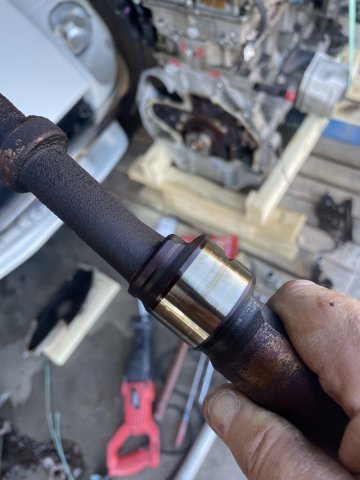
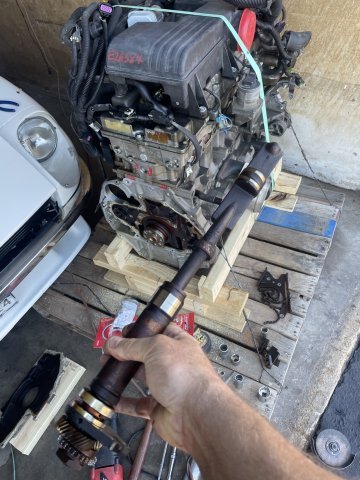
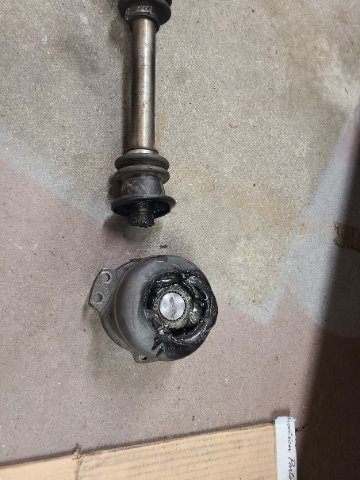
The location and cleanness of the break almost makes me think the heat treating of the splines made the axle brittle.1 point
-
Hey Clark those look like very nice pieces. I like the idea of attaching the sway bar to the arms. That will increase the motion ratio of the sway bar significantly. I have a set of bump steer gages if you need to borrow them for fine tuning.1 point
-
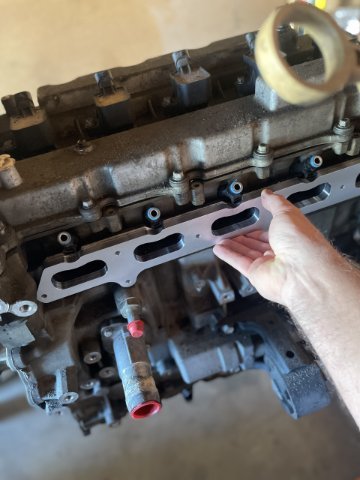
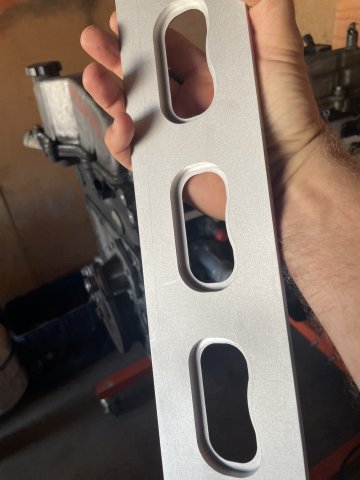
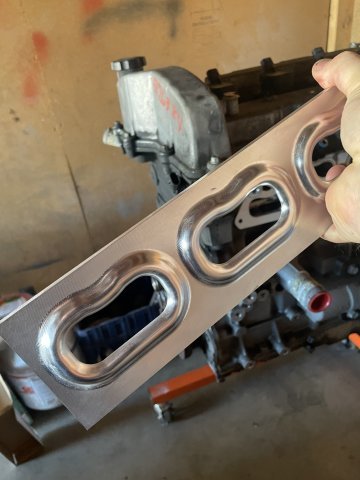
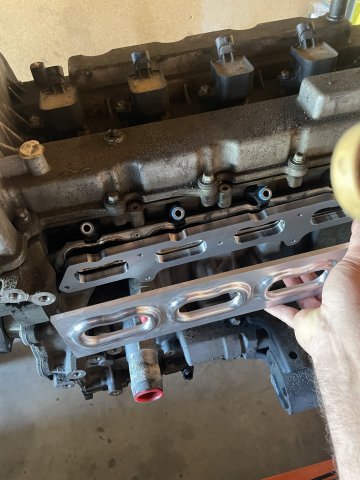
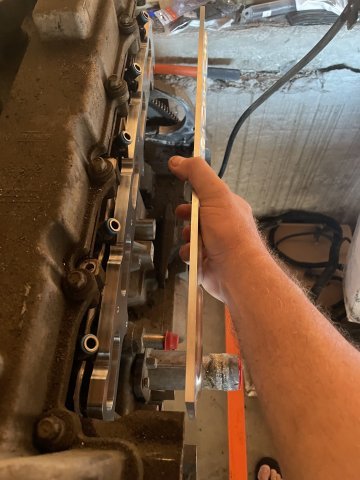
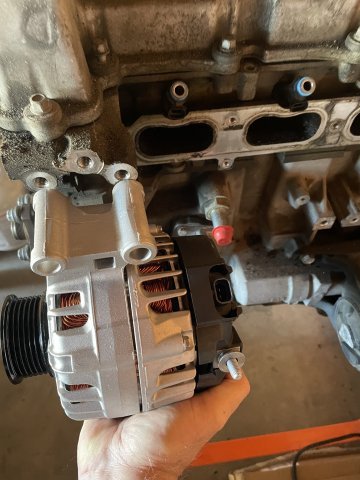
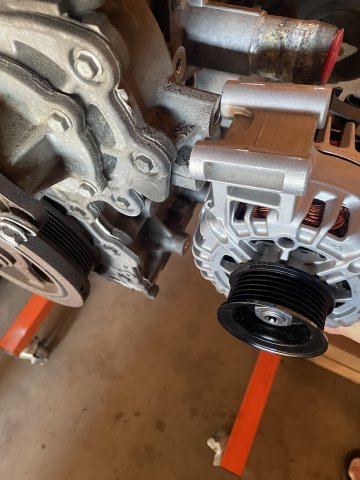
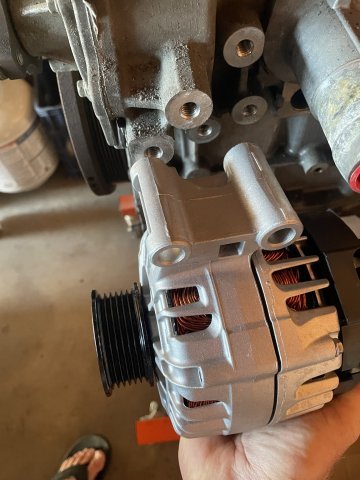
10-07-2026. I had a few moments today, So I took some measurements to get started on the DMZ intake DIY kit. Because of the intake, the original alternator location won't work, So I will make my own bracket and move it down to about the halfway mark. Plate steel or plate aluminum, M10X1.5 all thread screwed in to the threaded holes there, and start drilling holes and get it on there, and then slot holes as necessary to get belt alignment just right. PICS:
1 point
-
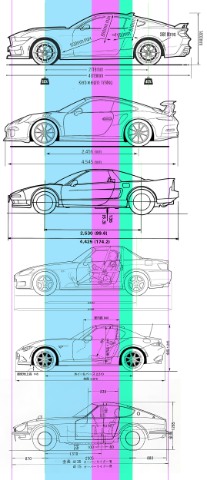
I got curious so i did this layout to approximate scale. It's not 100% accurate, but it gives you an idea of how our car sits in the world. Autos& Vehicles
1 point
-
The S2k is special in the world of cars. The feelings of driving and interacting with it have similarities to the S30 experience. I can see and feel the enthusiasm that the team put into it, given they were both passion projects for a company that otherwise focuses its energy on churning out well-sorted but relatively vanilla products when compared with their competition. The S30 and S2000 both hold a special place in my heart, in a way very few cars do.1 point
-
New turbo cam from Steve Bonk arrived this weekend! Excited to see how it changes the responsiveness on the turbo and hopefully I'll get much earlier spool and more pleasant street driving. I've started disassembling for the installation and checked everything. It looks like previous builder used different lash pad sizes for intake and exhaust, which wouldn't seem that odd on a "proprietary" grind, except every one of the shorter pad sizes had the wipe pattern pretty far to the pivot side of the rocker arms and the taller ones were nearly perfectly centered. I know the one time I did a valve adjustment a while back wasn't perfect with my limited experience, but I find it hard to believe I'd be that far off with how paranoid I was about using the right feeler gauge for intake and exhaust. One of the intake rockers and the lobe it was on were fairly damaged but everything else looks good. Got some advice from Steve on the lash pad sizing based on my current specs. I'll be ordering new pads tomorrow and hopefully two new rockers to replaced the damaged ones I found. Also ordered some new valve stem seals. Figured now was the best time.
1 point
-
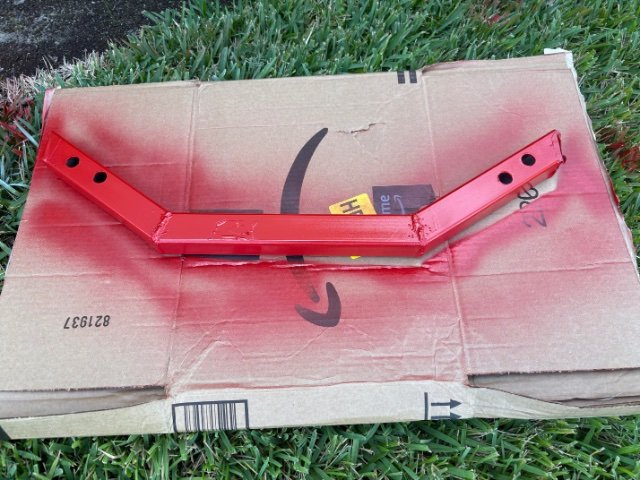
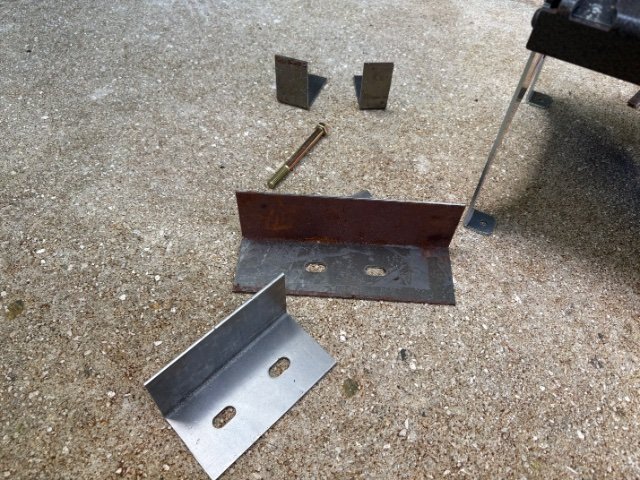
A little progress this weekend. Painted the engine cradle and started making some brackets for the front sway bar. Going to mount the sway bar mounts by through bolting through the frame. Someone had already done that, but bolt holes were all wonky and not vertical, so made new holes and going to weld some plates for extra support. Going to use the angle iron as part of my radiator mount, and will also support sway bar bolts.
1 point
-
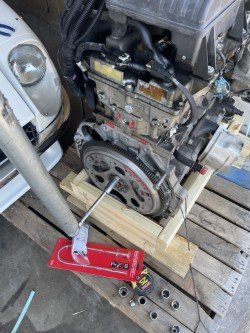
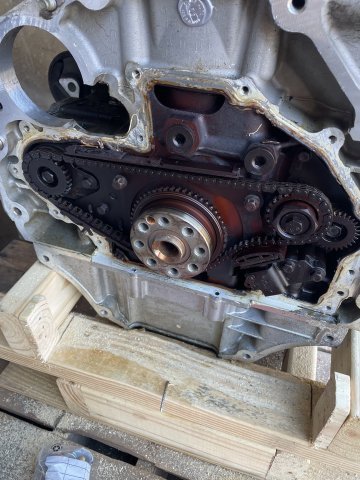
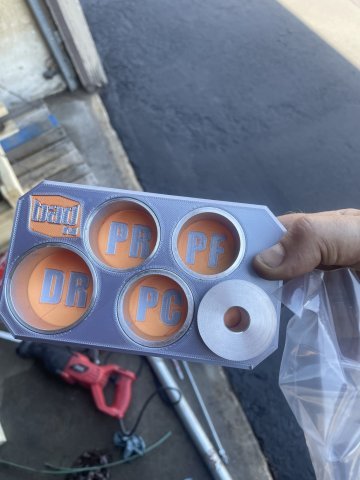
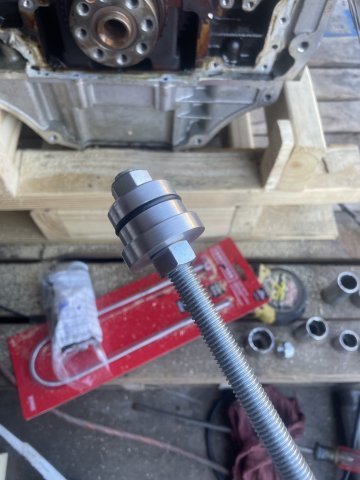
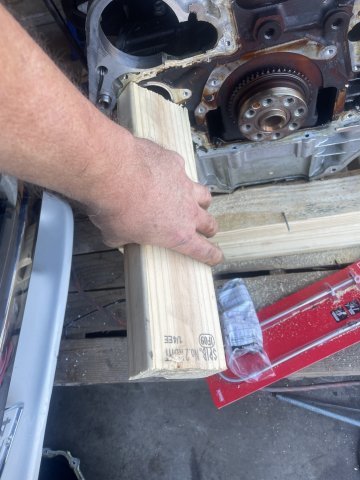
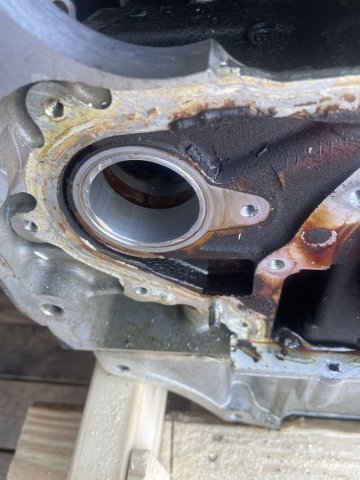
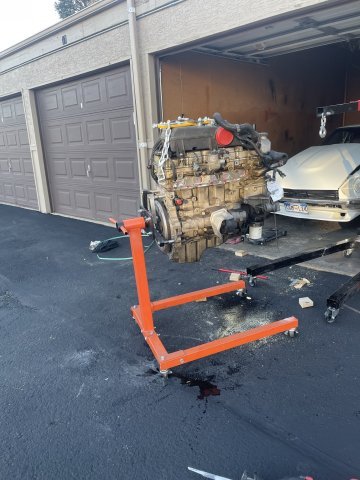
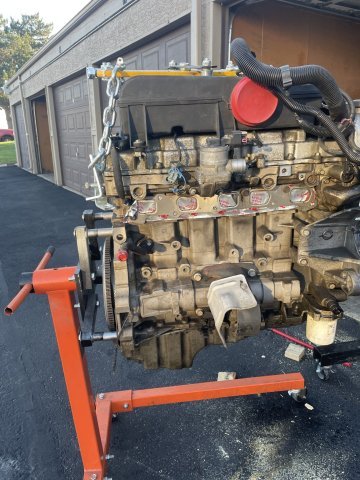
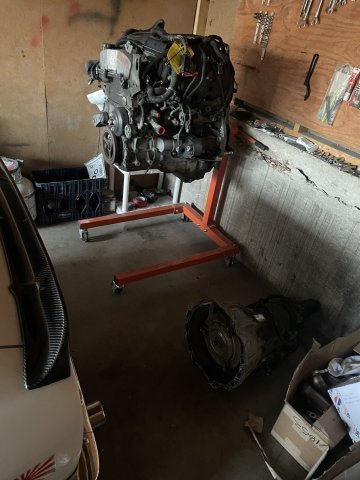
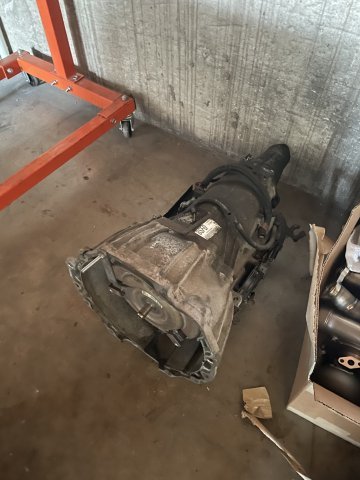
I went ahead and worked on the 3700 today. I removed the balance shafts, and used the Badlands Industries delete kit. I then cleaned up and re-sealed the rear plate, installed the flex plate with a few bolts in case I want to do a compression test later, and then got it on the engine stand. Int he pics you will see the 4 speed automatic trans for it, a lockup unit GM "4L60e", that I will rebuild with all the tough parts and probably a 3000 RPM stall, unsure at this point. PICS:
1 point
-
couple videos the wife had taken. looking over some datalogs this morning. Car never got over 201ºF in any log that I could see. I can't find a spot in a log where the oil temp even got over 200ºF. oil pressure never dipped on any turns or hard braking. Really impressed the car didn't skip a beat. For a shakedown i was pleasantly surprised. New track for me so i worked on me as a driver rather than swings at setup changes to bandaid a driver problem but my lap times where improving fairly significantly every session and was having so much fun doing it. 20260905_111217.mp4 20260905_173624.mp41 point
-
I'm on day 4 of trying to deal with T3. The guy i keep getting of the phone rushes me off the phone and says hes gonna send me a quote via email but this has still yet to happen. Not sure why. I just want this fixed so i can enjoy the car the limited amount of New England season left.0 points
-
well...first failure happens to be an axle shaft. kind of surprised by this. I ran lots of bottom 10 second passes in my 240sx with stock axles and this technotoys kit is supposed to be a "upgraded" and shortened shaft and stock 240sx joints. well it broke on the street. it was under power but in 3rd gear without any wheel hop or tire slip. luckily didn't do any other damage. just the shaft and the boot. I have sent them an email as its the weekend to see if I can get another and if they have anything to say about that.
0 points