Leaderboard




Popular Content
Showing content with the highest reputation since 08/16/26 in Posts
-
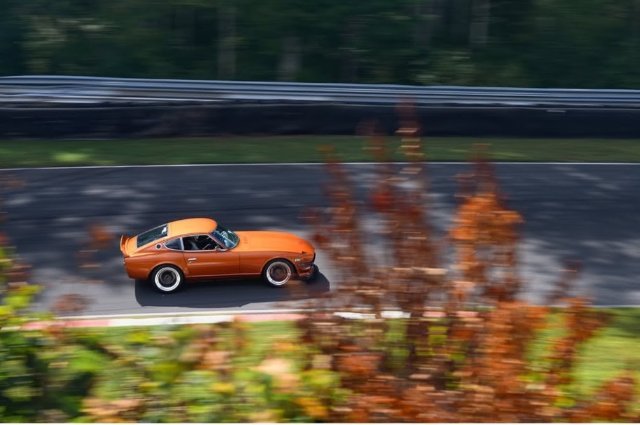
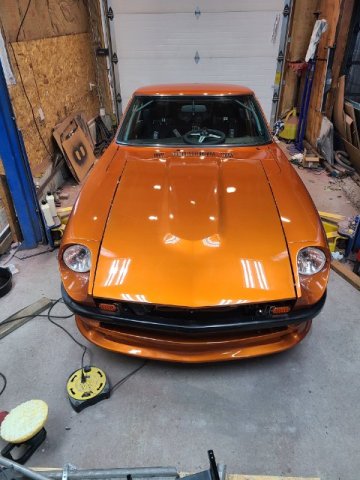
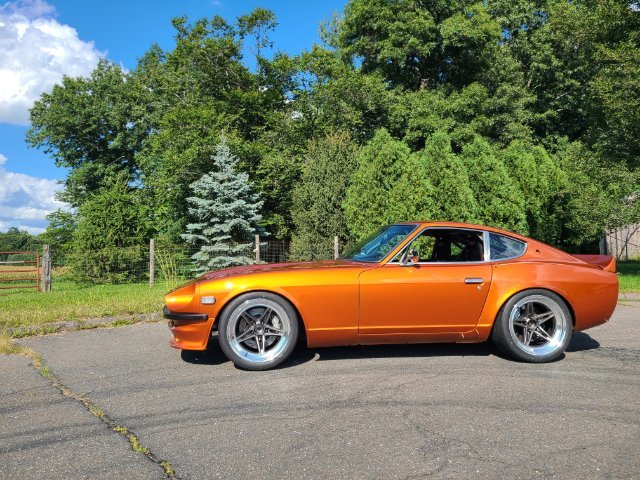
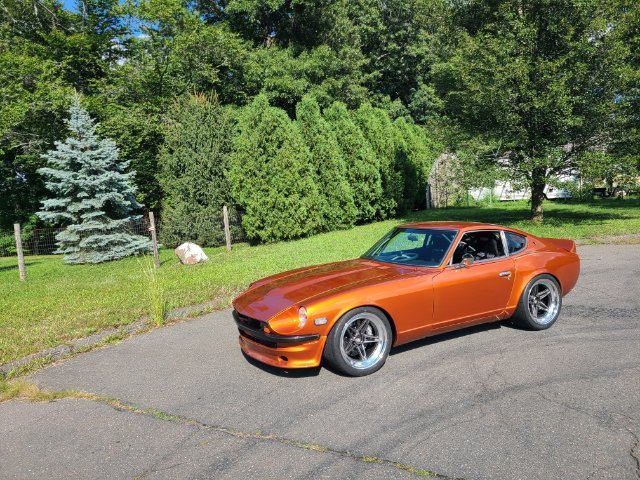
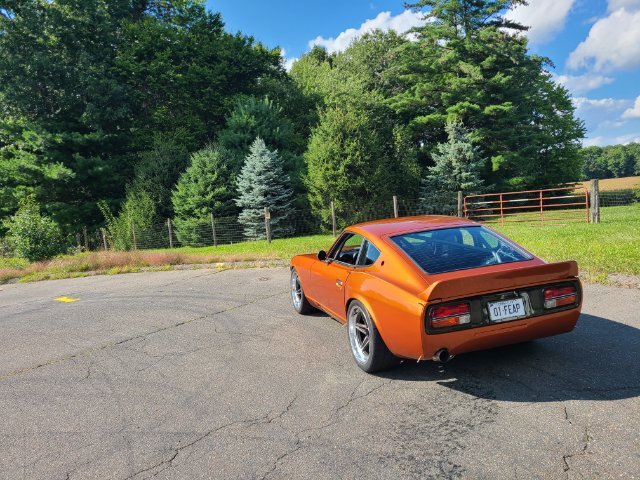
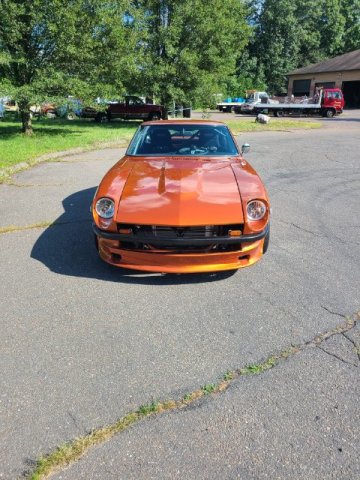
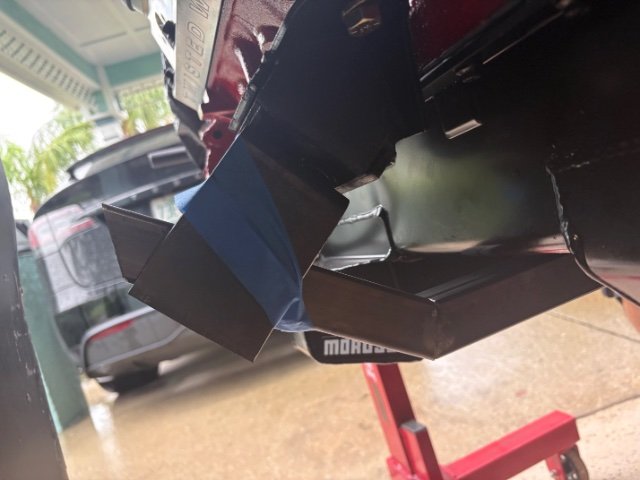
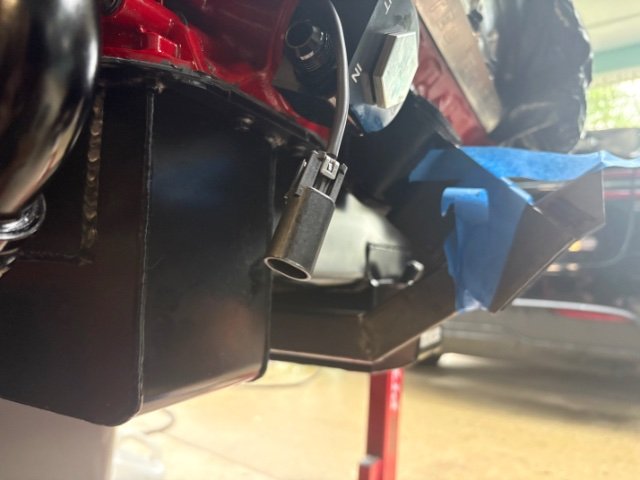
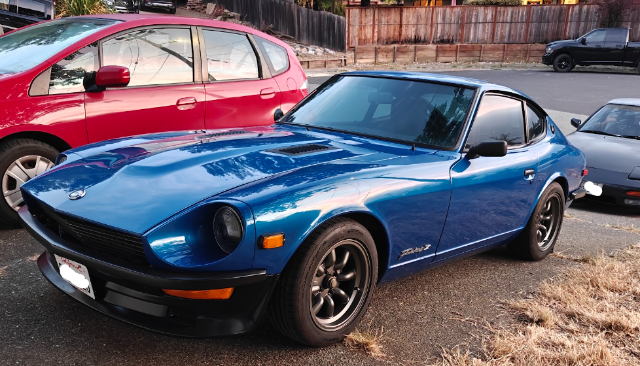
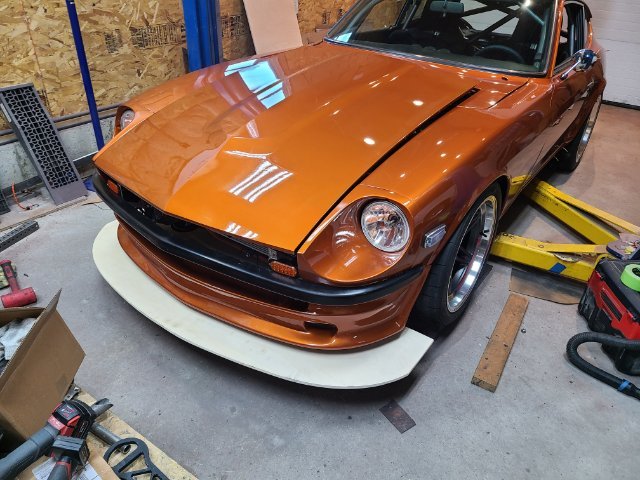
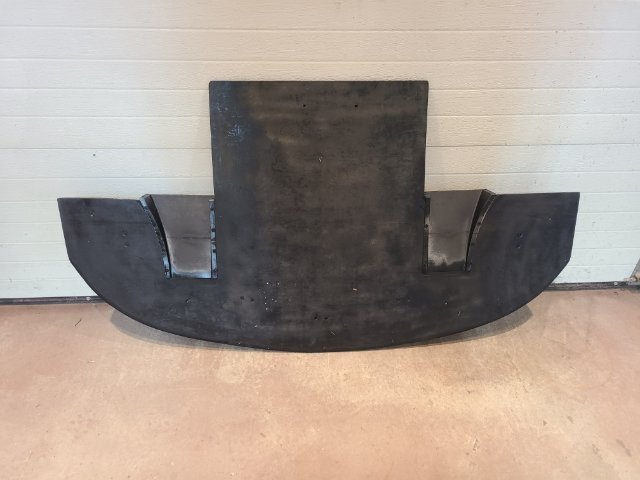
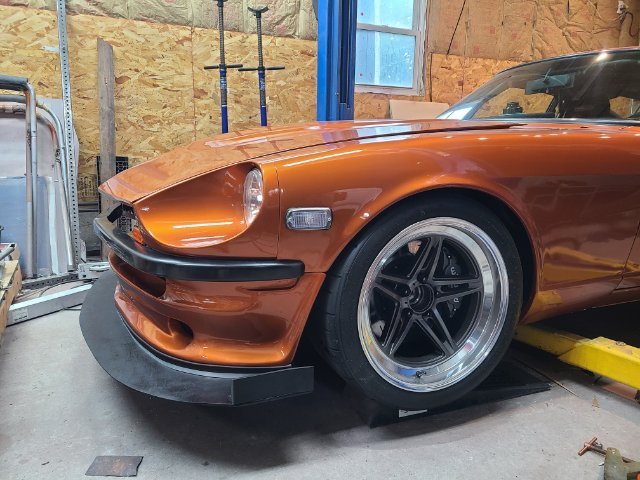
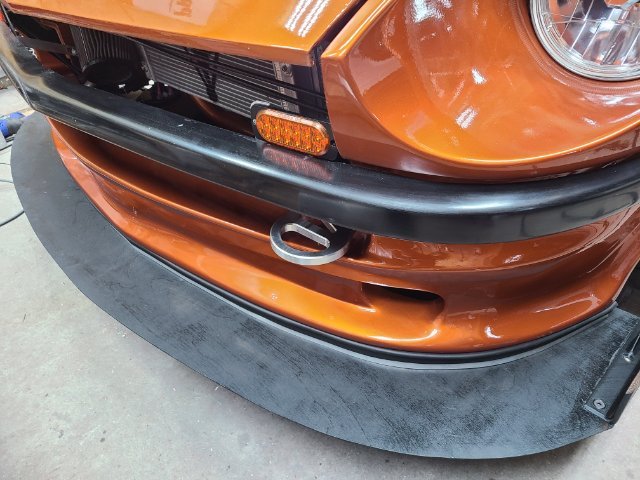
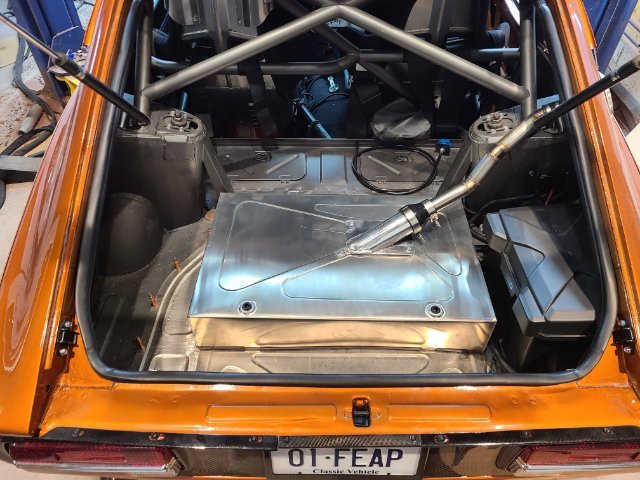
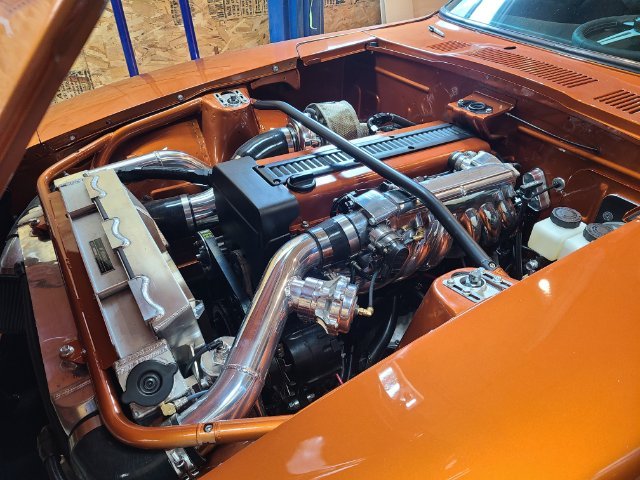
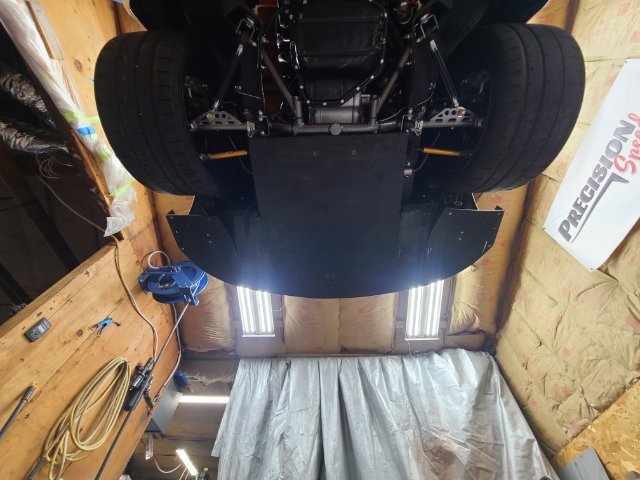
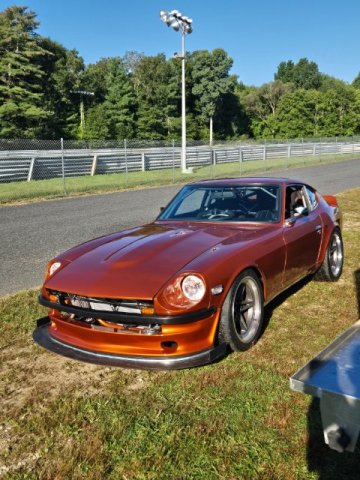
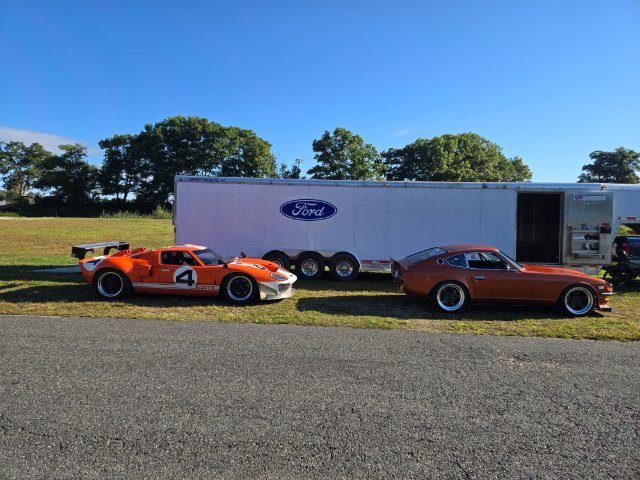
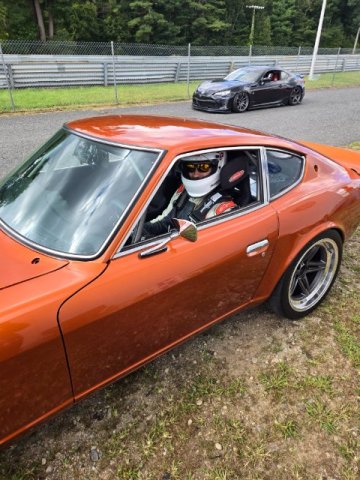
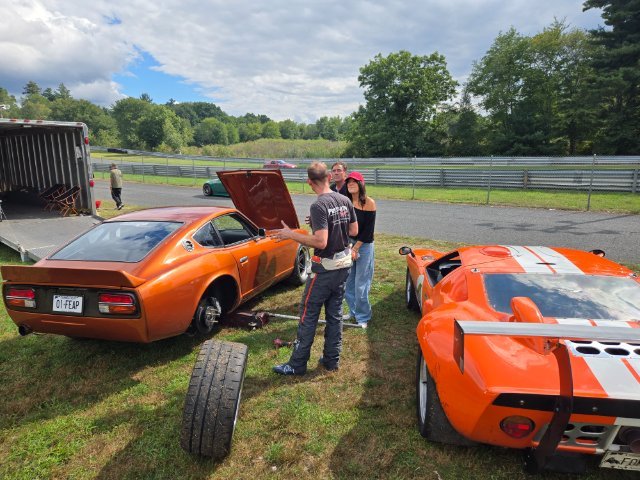
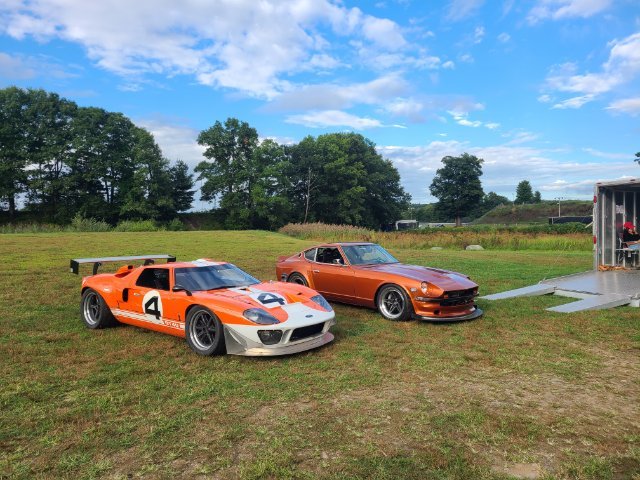
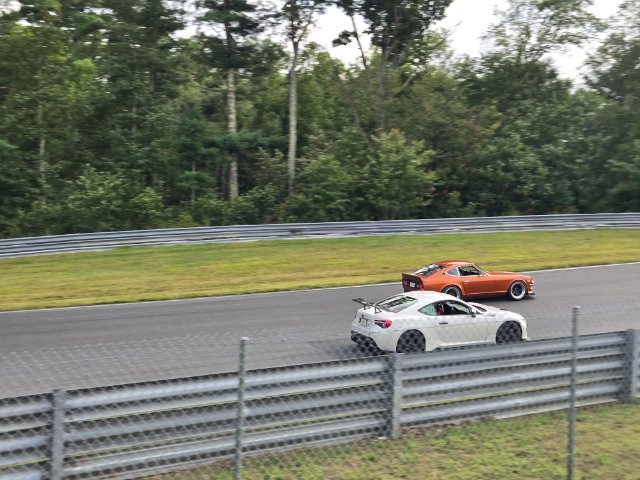
Last weekend i got the offer to run a single day of a multi day event if I wanted to shake down the car. So i scrambled all week getting a bunch of things checked off the list. a couple days getting up at 5am and working for a couple hours before work and then to 10-11pm after work but got it so i could run it. Added a front splitter. strut bar, seat belts. fuel cell bulkhead, fire extinguisher, coolant overflow, battery tie down and kill switch, tow hook, brake bias controller, some tuning changes and im sure a few more things. But i made it. My uncle and I loaded up friday evening and saturday morning drove an hour and a half to the track. Had a great time. car was an absolute trooper and didnt skip a beat. New track for me so had some getting used to the track and the car. but i did 4 sessions problem free, I didn't change a single thing all day. found one loose bolt after session 3 that i caught before it was a problem. Car performed well. Had a fairly competitive pace by the end. Anyway. huge photo dump
 5 points
 -
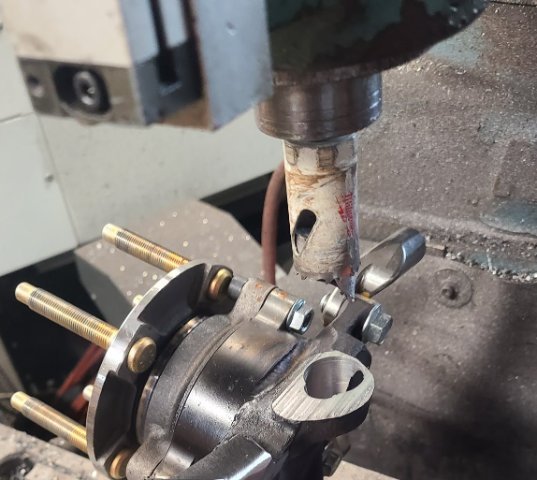
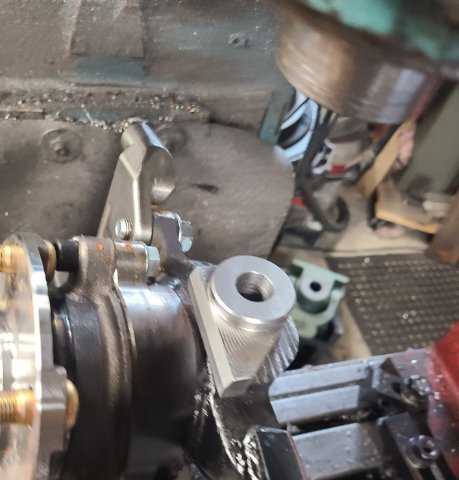
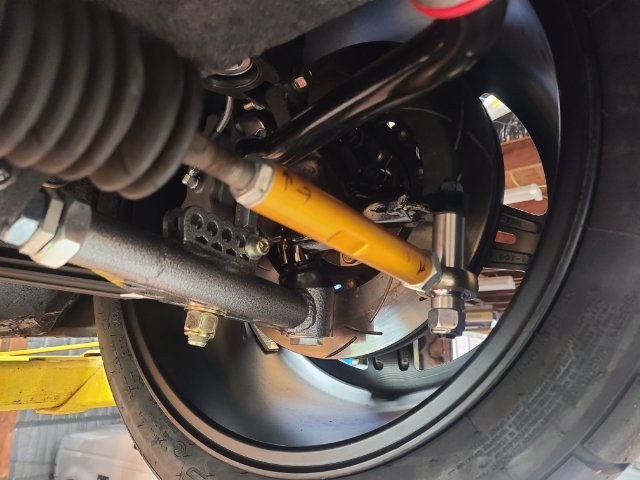
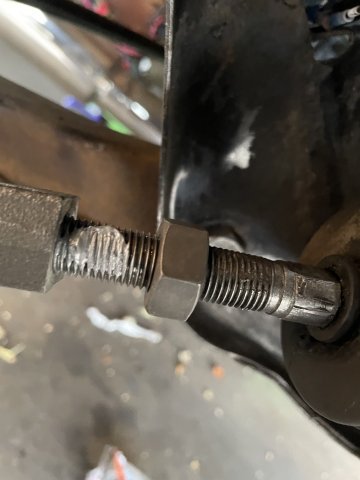
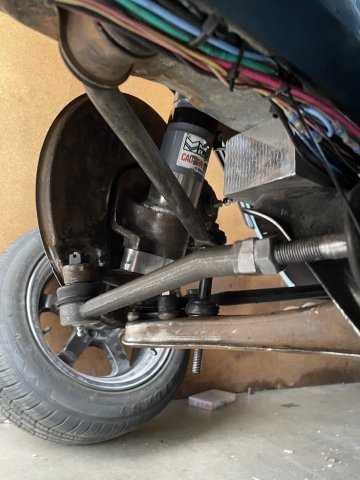
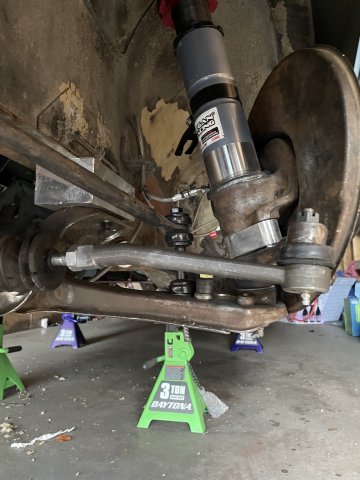
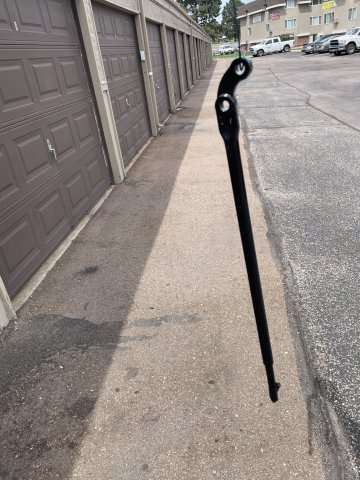
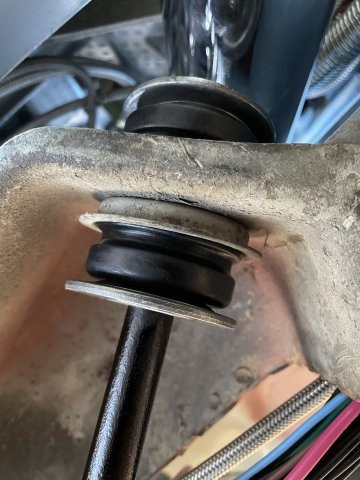
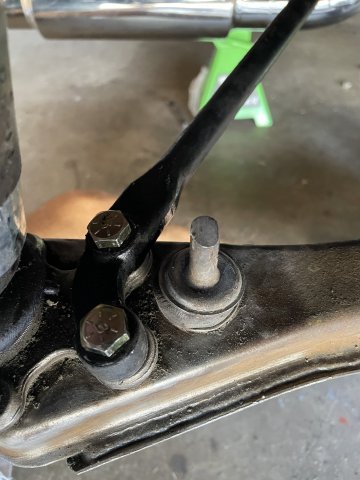
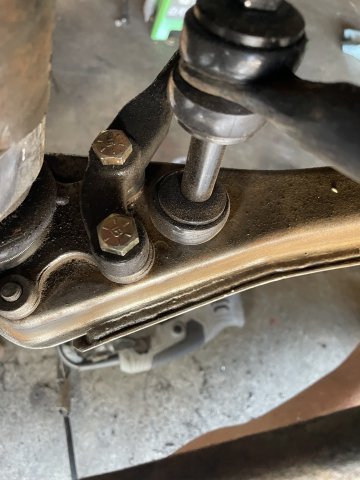
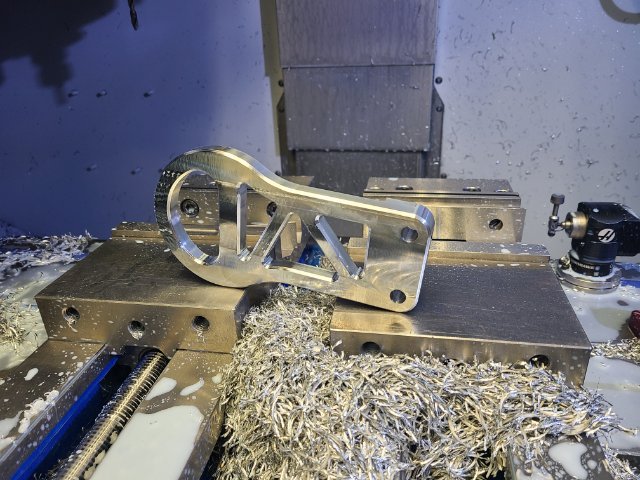
spent the last few days focusing on fixing some steering geometry. If you guys remember this car came with the 240sx knuckles and if you've ever done any research on that swap, its hot garbage. I spent some time adusting ackerman right off the bat and made it so it was drivable and made a small adjustment last week. My plan has always been to modify them and get all the geometry dialed to how i like it and then scan it. and make a billet version that is modular and can be tweaked in from there. Anyway. This weekends goal was to dial in the mechanical trail and some roll center correction. The 240sx knuckle on the wrong side of the car made the mechanical trail very large so the car had very very heavy steering feel. I did some measuring and made a decision. Clipped off 8º of angle off the ball joint mount. and offset the mount to where i wanted it. Designed and machined an adapter block and welded it on. came up with a quick bumpsteer kit as the knuckle needs to have the tie rod mount lowered by a good bit. didn't take good photos but the car drives SO MUCH BETTER. steering feels great. "light" (for manual steering) but centers still centers well and has good feedback. Took the wife to get ice cream last night and what a great feeling that was after a year of work.
4 points
-
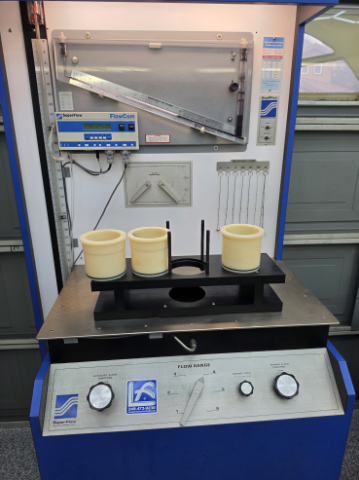
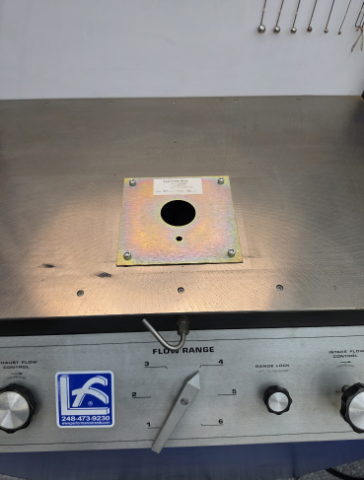
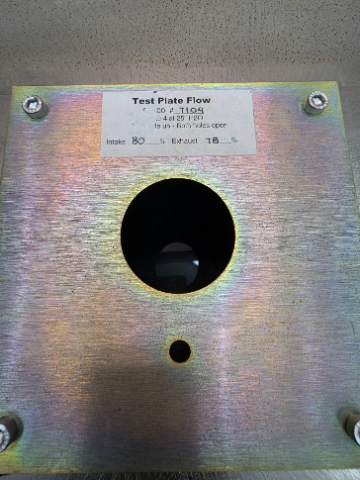
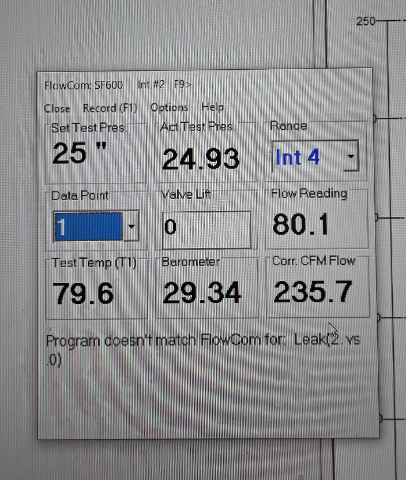
I've decided to build a detailed thread to document L-Series cylinder head flow testing and the results. Like many aspects of these engines, it's sometimes hard to know what to believe or how to interpret what you see and read. Test setup, equipment, testing methods, and just straight-up BS can all contribute to the confusion. I don't sell a product or service and have nothing to gain from the results I post, so my goal is to keep the testing unbiased and as consistent and repeatable as possible. Feel free to comment or criticize as I move through this. I'm happy for any input. First up is the equipment. I have a SuperFlow 600 converted to run the digital FlowCom directly to my laptop where I use PortFlow analyzer from Performance trends. This software sets up the test and aids in the data logging and reporting. It also compensates for Altitude, Barometric pressure, ect. So no math or reading of the old school manometers. Its super accurate and very repeatable. I built a L-Series specific test stand and replaceable cylinder bores to test the common sizes, 84mm - 240z , 86.5mm 280z, and 89mm - Big Bore. This has a considerable effect to the max flow due to bore shrouding, so its important to test on the correct size. This is the first place numbers can get "offset" If some guy is flow testing a Z head on his 4" Chevy bore, you bet the numbers will look good. More on this later. These bores are made of nylon and seal to the test stand with an o-ring. However any leakage can still occur, so the software takes a zero measurement first, and this leakage is then subtracted out automatically Next up is calibration - the bench should be calibrated on a regular basis to check for issues. You do this by bolting the supplied test plate that is matched to the machine and simply flowing it. Here you can see the plate bolted on, it has calibration flow percentages written on it to compare Ans this is the screen on the laptop, you can see the bench is within .1 percent calibration for the intake and exact for the exhaust Ill flow and document the heads I have as well as some I will borrow from friends. Some will be stock, some will be modified to various states. Ill also do some test to help point out important details. So stay tuned Thanks - monZter
3 points
-
couple videos the wife had taken. looking over some datalogs this morning. Car never got over 201ºF in any log that I could see. I can't find a spot in a log where the oil temp even got over 200ºF. oil pressure never dipped on any turns or hard braking. Really impressed the car didn't skip a beat. For a shakedown i was pleasantly surprised. New track for me so i worked on me as a driver rather than swings at setup changes to bandaid a driver problem but my lap times where improving fairly significantly every session and was having so much fun doing it. 20260905_111217.mp4 20260905_173624.mp43 points
-
Have you mounted the headers to the engine while on the engine stand with the cradle in place? It will be much easier to clearance your cradle before everything is in the car.3 points
-
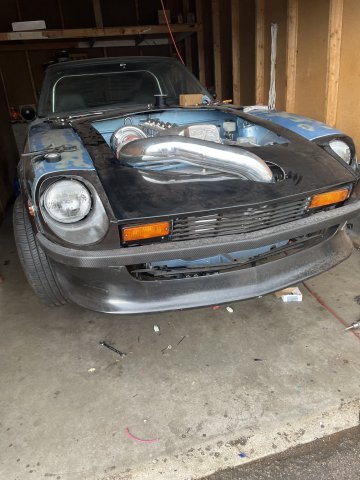
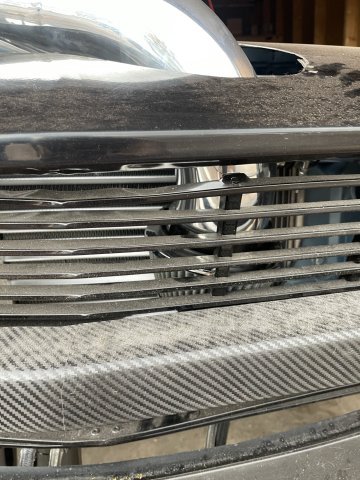
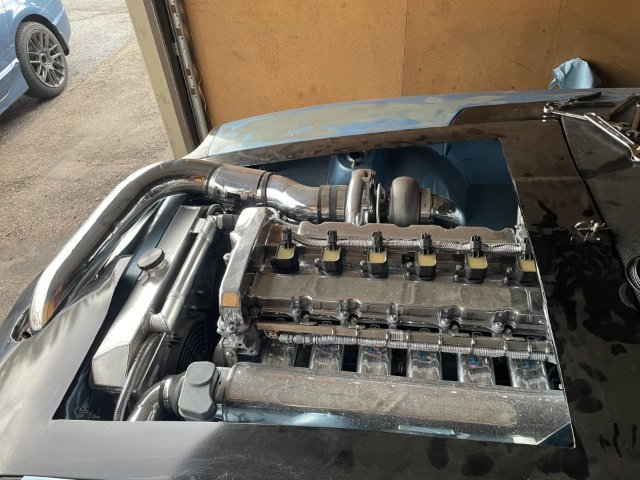
Got the the hood and inspection covers on. Happy
3 points
-
Hey Everyone! I wanted to share a new microfiche/resource sharing website I've been working on. A couple years ago I bought a full set of microfiche slides for the Datsun Zs and scanned them at my local library. I wanted a more easily searchable database of parts and the ability to add things like torque specs, notes, or references. The result is at the link below! Still a work in progress as I still need to verify and clean up the information and number callouts for about 80% of the diagrams but the site is functional. If anyone has ideas on what they'd like to see added in the future feel free to comment or send a message through the contact page! Thanks for looking! https://datsunresource.com/2 points
-
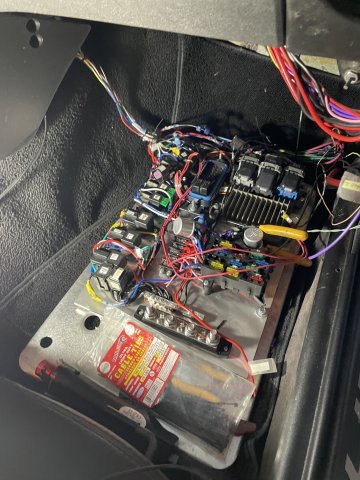
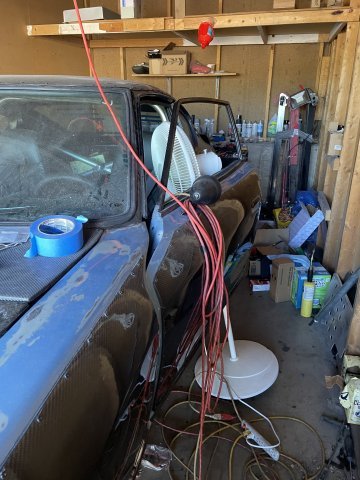
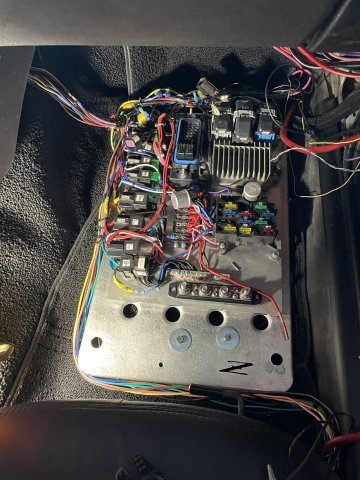
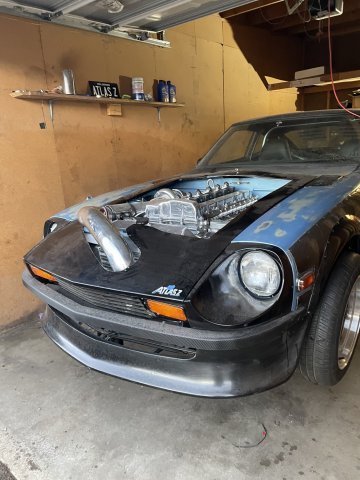
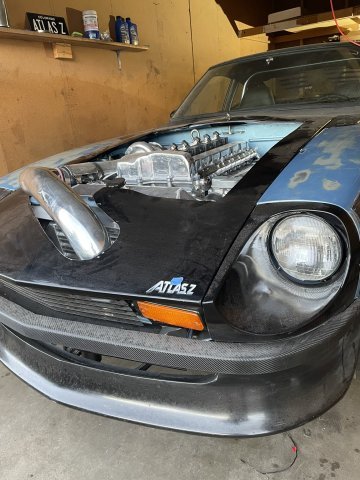
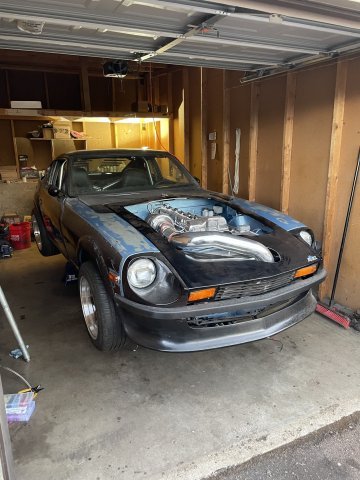
09-06-2026 ATLAS Z UPDATE: Ok, so I mounted my electric panel into the car and began wiring it up. The garage is SO HOT. I had to go inside and get a fan to blow in there on me (see pic). going pretty well! about 75% done. PICS
2 points
-
The Video is the most detailed Rebuild of the Power Brake Booster Unit. As the 240Z family goes older, aftermarket rebuild boosters are getting harder to find. In some cases, they are impossible to find so rebuilding maybe the only solution.2 points
-
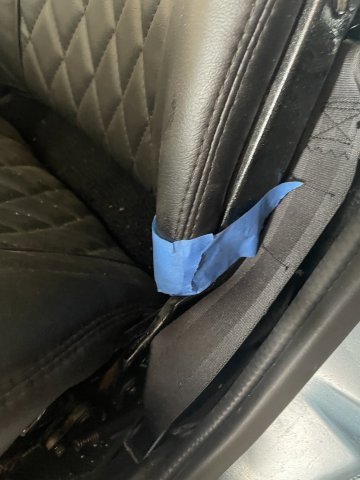
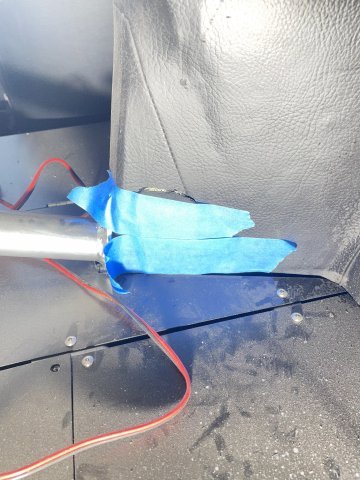
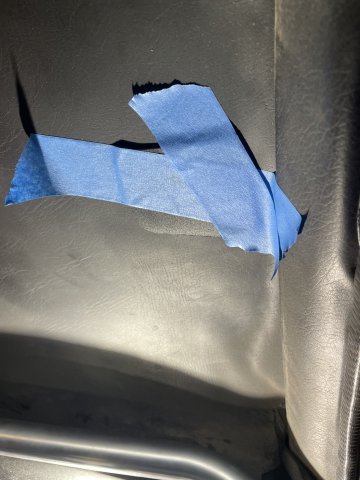
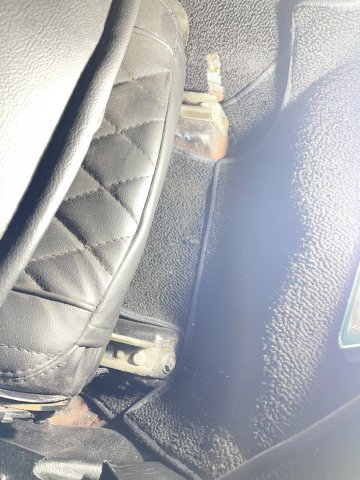
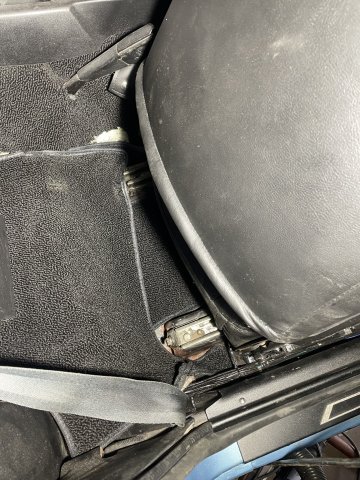
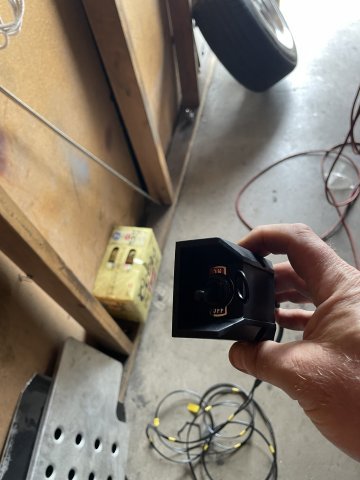
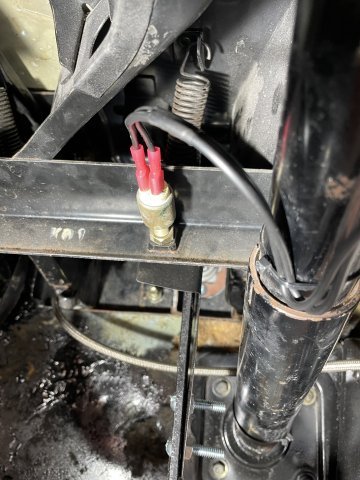
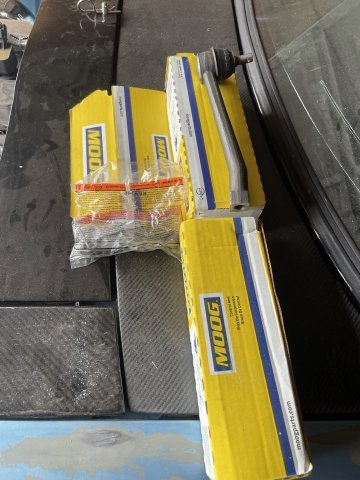
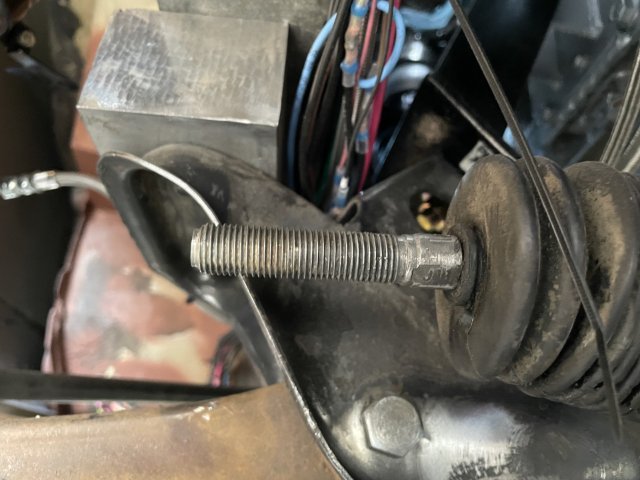
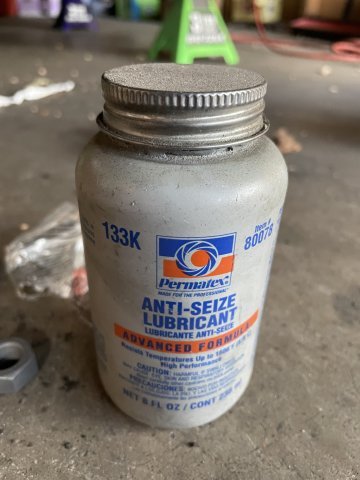
08-30-2026 ATLAS Z UPDATE: Started the day with putting some cut leather on the upholstery sections that needed to be covered. Amazing my new seat covers, have managed to have a worn spot....but it's all better now. Working in tight quarters these things happen.:) Then I went ahead and bolted the seats down in then vacuumed it all up and installed the hidden toggle switch to turn on so the car will start, my theft deterrent, and wired in the brake light switch....just running the wires over to the passenger footwell.... labeled, so I can start on that soon. I finally managed to get the last piece of the end links on the steering rack off, and then wire wheeled them down really clean, and used anti-seize and installed the Moog end links for now...I will have to adjust when I am ready to align the front wheels, but for now, a lot of progress made! The whole car is about 75% done already and it's only been a year! PICS:
2 points
-
I got a tradition with my dad that I took over, every time we buy a new vehicle we stop at Mc Donalds on the way back and get a milkshake. This also gives us some time to look and admire our new purchase. We will probably continue this tradition this weekend as I’ll be looking at a 2015 BMW M550D touring (almost 400hp diesel station wagon) as a new daily driver.2 points
-
The first ice cream trip is a great payoff for the hard work.2 points
-
I run 275/35-15 Hoosier or Avon 23x10.5-15 on all four corners. That size works pretty well and is the limit that I can run with struts and the SubtleZ body kit. If I had the SLA suspension, I would use wider wheels limited only by the body work and tire availability. I feel like 10 inch wide front wheels are perfect for these cars, but the rear could use a little more.2 points
-
There is a point of diminishing returns on tire width. It varies greatly with many factors tho so no one size fits all. Its a balance of contact patch, corner weight and suspension geometry. The double a arm front will allow for a good amount of adjustment with caster, and KPI that we can't get easily with struts.2 points
-
I still have struts on all four corners. Because of this, I am limited to how much backspace I can accommodate with my wheels. All four of my wheels are 15x10 with 5.25" backspace. I run 3/8" spacers up front and none in the rear. So, a 15x10 is actually 11" wide, and a 5.25" backspace is equivalent to a -.25" offset. If you look at the steering geometry of the strut suspension, I have a fairly significant scrub radius. Having a large scrub radius causes a couple of problems. First, the tire sweeps forward and backward as it goes though the range of steering motion. This can cause the tire to contact the fender / air dam. Second, if you have sufficient caster, the tire will rise and fall significantly causing weight jacking effects. If I had the sla front suspension, I would try to adjust to fit the wheel with the most positive offset that I could get. This would minimize scrub radius and maximize control arm length. You will get less weight jacking as you turn the steering wheel, and the wheel will rotate about a point closer to the center of the contact patch.2 points
-
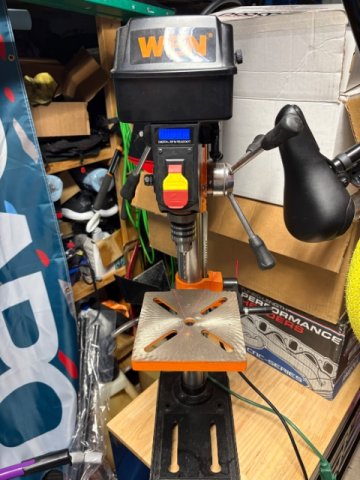
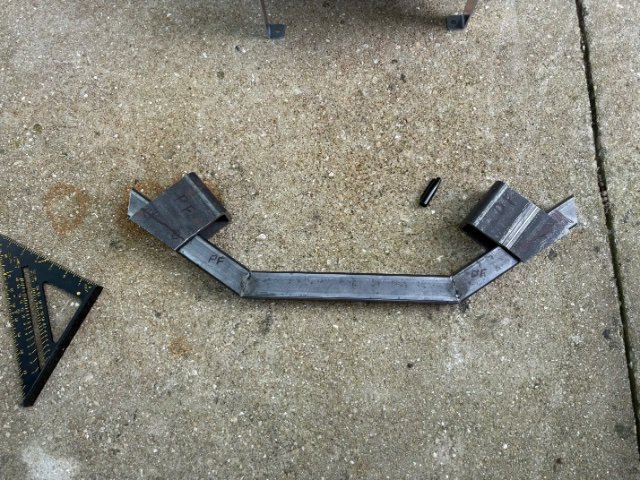
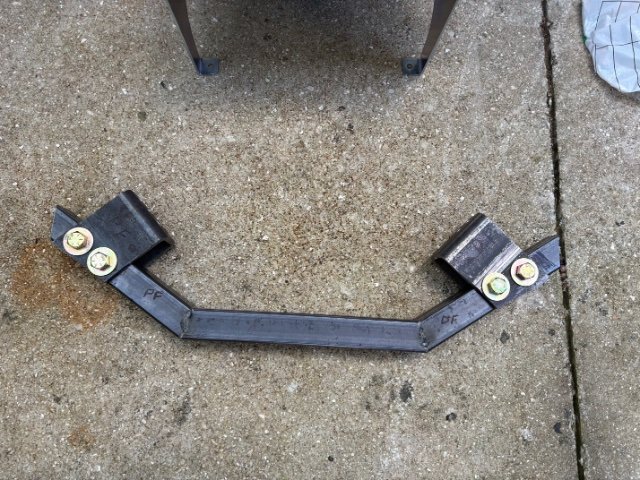
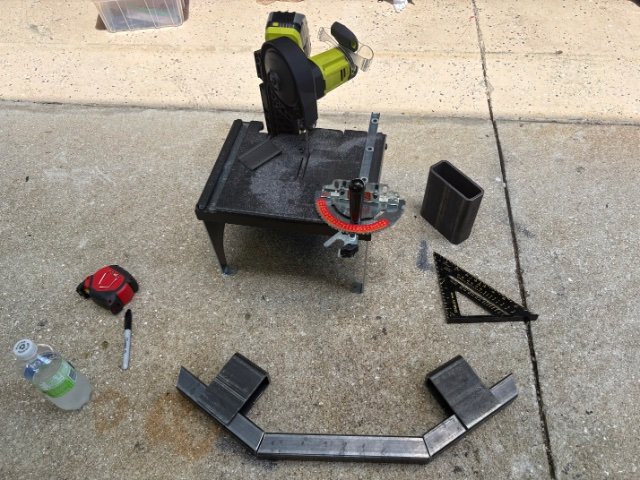
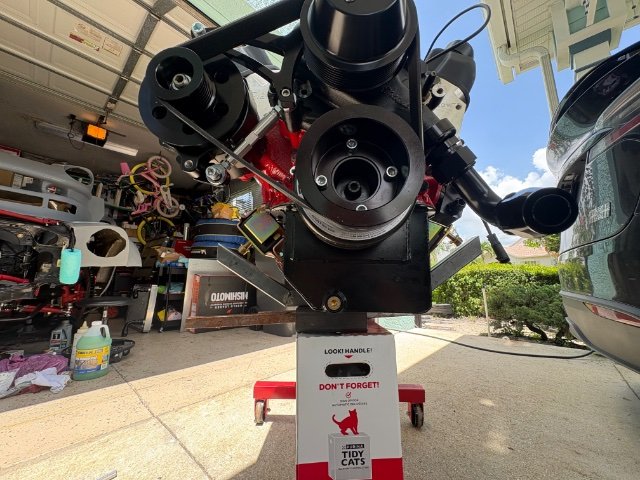
Picked up a drill press on marketplace and started drilling into this thicker metal for the engine brace. Got the two pieces that will connect to the engine mounts drilled and bolted up to the engine to try and figure out the angles to attach it to the brace. I made some marks and will cut it and drill it next weekend. We got a lot of rain so I spent most of my time trying to adjust the front suspension. I got one of these wheel fitment things a few months ago and it was saying I needed some negative off wheels to fit I so started adjusting the track width to get it close to a normal offset. Lots of adjusting the toe/traction/camber arms but I think I got it in a better spot. I’ll start shopping for wheels later this year. I have a set that will work temporarily, but are narrower than what I want.
2 points
-
This is how I feel watching some youtube channels. popularity doesn't mean skill or quality.2 points
-
Very nicely done, love it! I'm on my second early 260Z so I've got a soft spot for the S30 family middle child. I do have a syncrometer, I've been tuning sidedraft Webers on-and-off for close to 15 years now. It's been some time since I've played with SUs but they're pretty simple devices comparatively. BTW, have you checked your valve lash? This is super critical to do on a fresh head. The lash can change considerably and quickly over the first few hundred miles as the valves break into their seats. I did my motor break-in while driving the car to JCCS back in 2013 and by the time I reached SLO, a cam lobe was already wiped. My best guess is that it was a result of the aggressive wipe pattern of my cam combined with a rapid reduction in lash during break-in. I'd love to pop by Pre-Stage again some time as well, I've only been once and that was on a rainy day last December. Maybe I'll even have my side mirror repainted and fresh door cards mounted by then...2 points
-
Hey Leon, Thanks for the reply! Pic attached for attention - you can probably figure out which are before vs after . The interior isn't all there yet, so not sharing that mess, still troubleshooting some stuff inside. Now that the alignment is done, I'm not opposed to bringing it down your way. Still working on break-in miles (it's at 78 total), so not trying to do any LONG drives just yet, but that might be manageable. Just have to figure out timing, and tooling. I don't have an empi style vacuum tester just yet, do you? I'll also be at Cars and Coffee (Vintage Oaks) and Pre-Stage (Marin Civic Center) in September, if anyone will be there! Robert
2 points
-
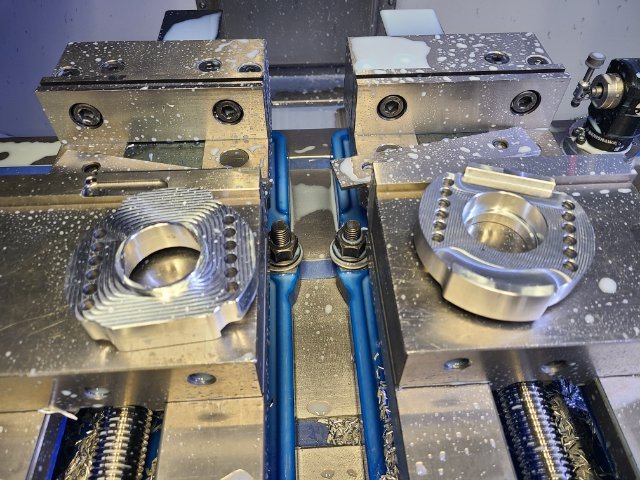
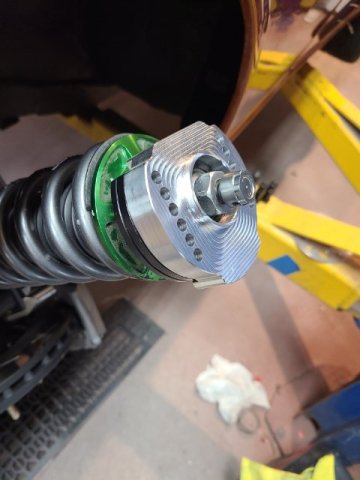
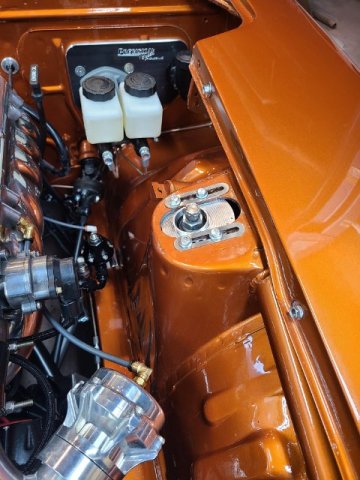
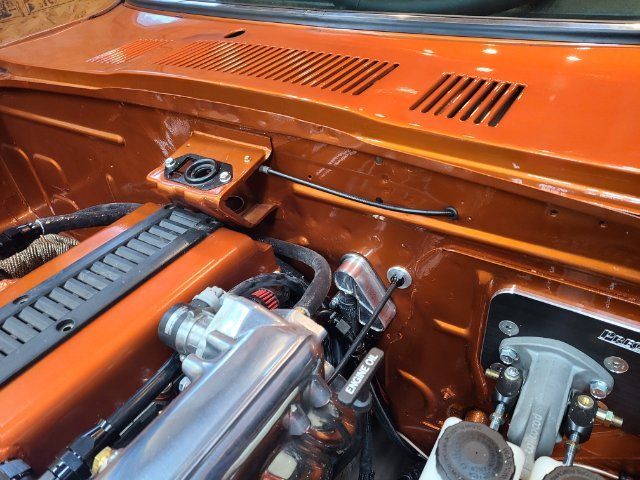
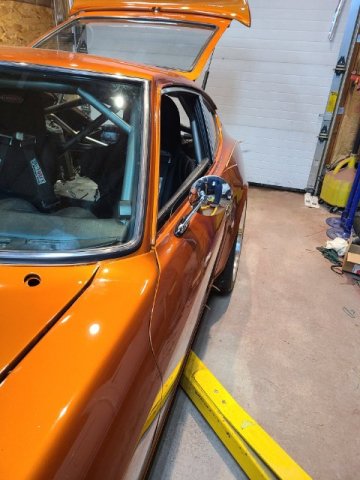
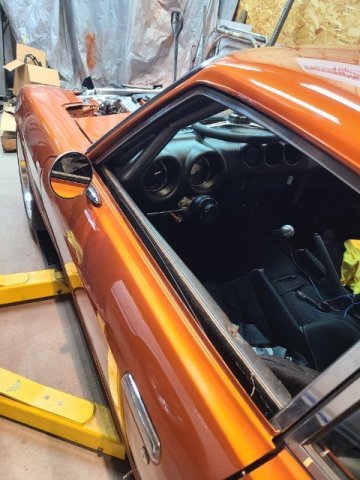
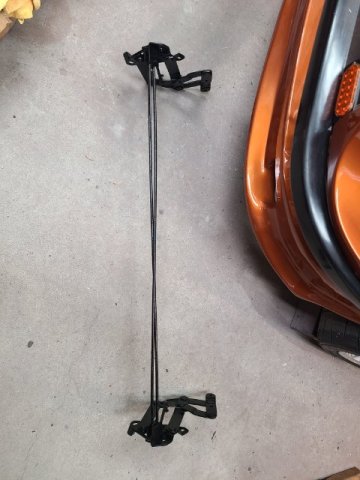
car is officially registered and insured so i spent the weekend trying to button up a few things to make it a bit more "street friendly". did managed to put about 10 miles on it. I have a few things i need to address before racing it but it drove on the street decent. After the initial drive. did a nut and bolt check. then did like 4, did another check, and then another 6ish and everything is looking good. Got the driver mirror on. I wasn't 100% confident id like the round mirror so i designed and 3d printed an adapter to use the factory holes in the door rather than drill new holes i'd regret later. Its growing on me. I may buy a better quality mirror but the round is looking decent. Will still hook up electronic boost control but for now i just put 10psi springs in the wastegate and gave it a vacuum source. When I moved the strut towers back and inboard, i forgot to modify the hood to accept the new position of the strut tops so I designed and machined strut top spacers to push the adjuster down and hopefully clear the hood. I could make them a little thicker as i still have some ride height adjustment on the coilover but i think this will be enough. I'll go slow when closing the hood for the first time. I hooked up the hood release cable. decided to be a little fancier and routed it thru the wiper cowl instead of having the cable extend all the way across the engine bay. need to make a new handle for the cable pull as mine is MIA. Got the hood hinges cleaned up and painted black. fedex lost my order for replacement couplers to move my air filter to clear the hood tension bars so i didnt get the hood on this weekend.
2 points
-
windows are SWEET!1 point
-
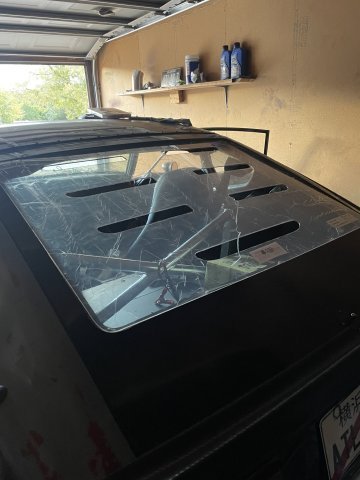
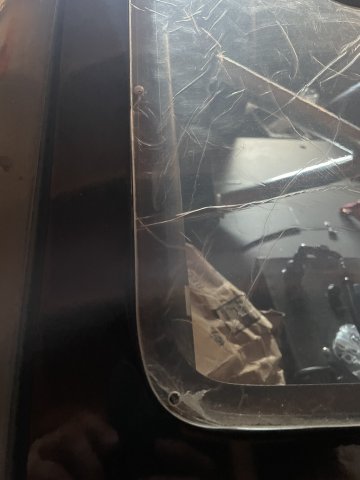
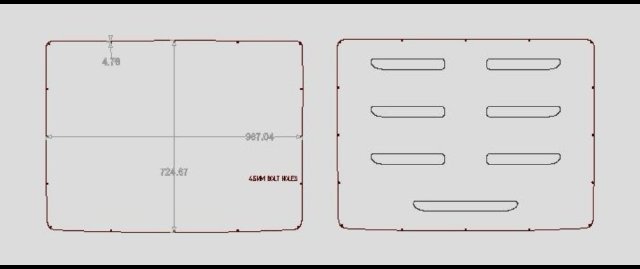
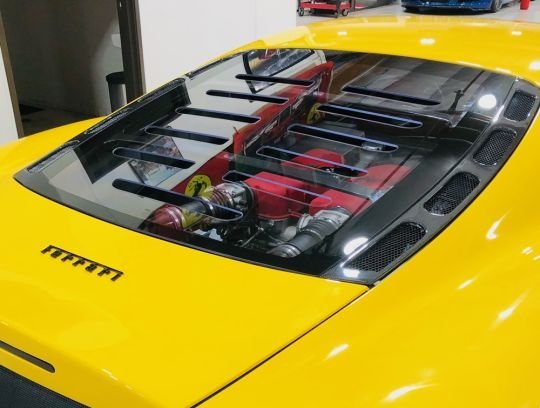
09-08-2026 ATLAS Z UPDATE: My rear hatch "glass" (polycarbonate) ordered from Plastics4Performance in England arrived today. As I have mentioned I had them use their template for Ferrari 458 rear window vents. Why? I like the look. Great for flow through ventilation. This is an open air Z anyway. No side windows, and mostly stripped out. I got the 3mm thick one, so thin, and VERY light. It looks cloudy as I haven't peeled off the protective layer of plastic yet. Now, as they told me, some sanding and fitting will be necessary, but I am happy to report it made it across the pond and to my garage! PICS:
1 point
-
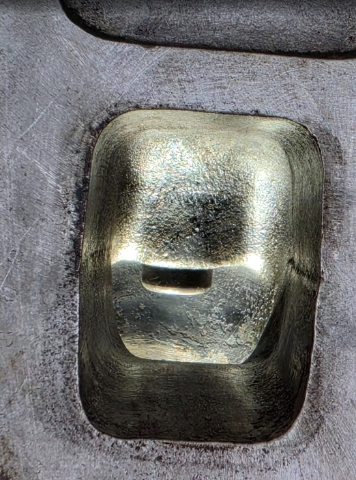
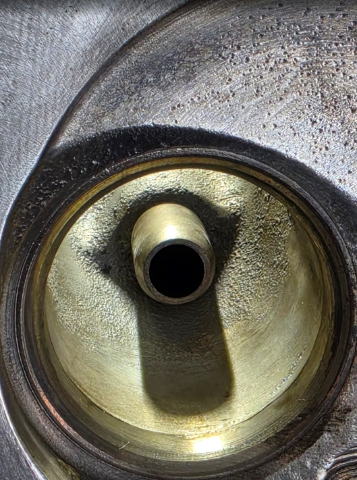
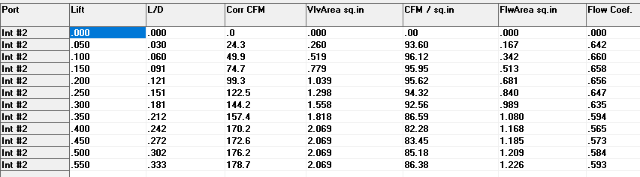
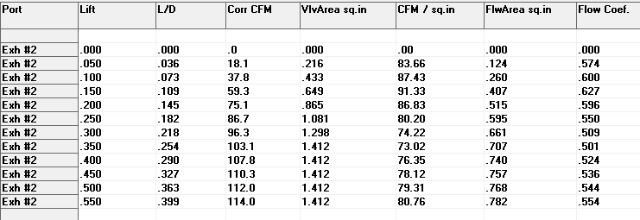
The first head to document will be an old E88 from my 72. I used this head a long time ago worth 40DCOE triple Webbers. In typical fashion long long ago I did my best to do what I thought was right. I blended the seats to match the bowls with a grinder, and port matched the head to the intake, opening up the port about 1" in from the entrance to blend the new opening (not good). other than that, stock valves and chambers So lets flow it. Hoping to borrow a stock E88 to compare later. Some pics for referance Here are the head Specs Cylinder 2 Intake with 84mm Bore And Cylinder #2 Exhaust with 84mm Bore I then switched out the bore to 86.5mm and tested again, here is a comparison chart of the effect of only a larger bore Sorry the image is hard to read I need to figure out how to upload better resolution pics, but you can download the PowerPoint below E88_Flow_Bench_Comparison_Cyl2_84mm_vs_86.5mm_FIXED (1).pptx
1 point
-
Haven't been here in a while, but I had no problems getting on today. Seems fast so far. Edit: Spoke too soon. Just came back on, and got an error, and when the site finally loaded after a few refreshes it seemed slow.1 point
-
That's pretty much where I've ended up the last several years. I know some people prefer a staggered setup; but I really much prefer a square setup, for tire rotation and replacement purposes. Very much enjoying this build, and the ongoing discussion in this thread! 👍👍1 point
-
Nice! Back in 2009 I couldn't find a rebuilt 280z booster so I was going to buy a booster repair kit, but later figured that I might need special tools. I was able to find a rebuild shop in my city to rebuild my 280z brake booster. The shop specialized in rebuilding truck brake components.1 point
-
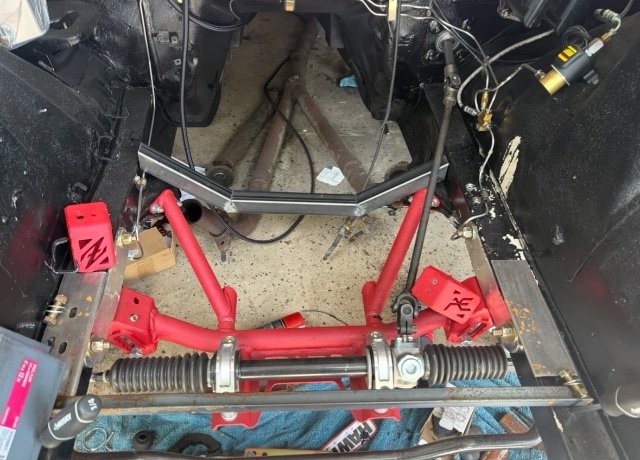
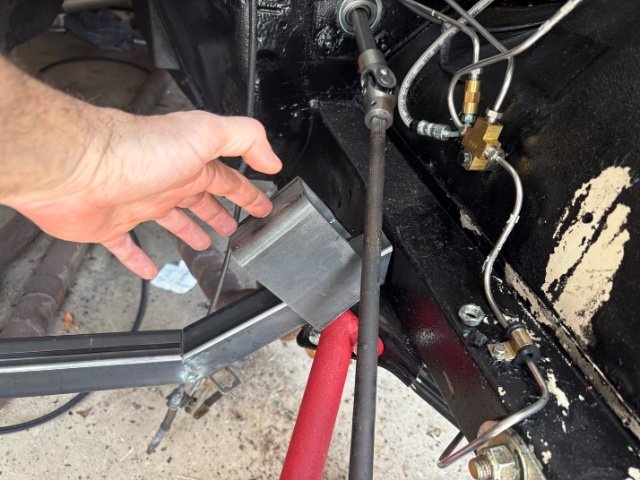
Made some progress on the engine cradle. I should be ready to drop the engine in and mark where to attach it to the frame. I’ll be using some angle iron to sit on the frame so the cradle will be welded to that then bolted to the frame.
1 point
-
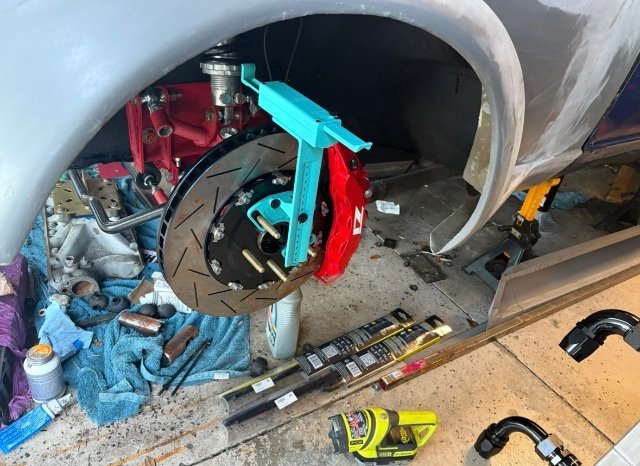
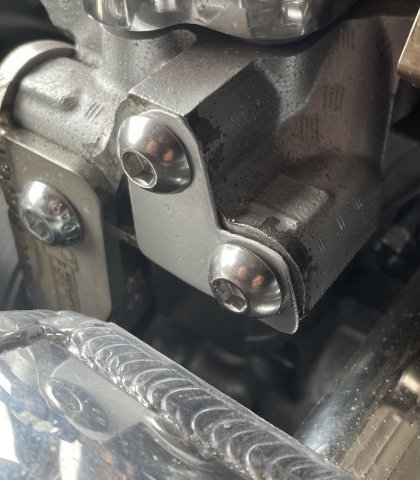
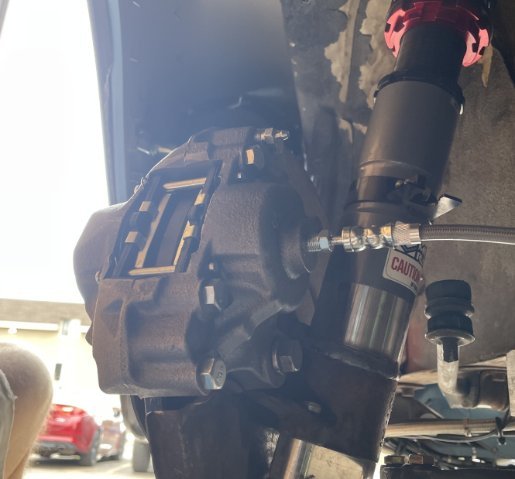
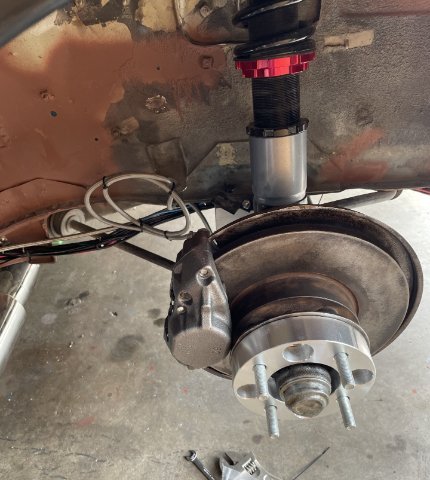
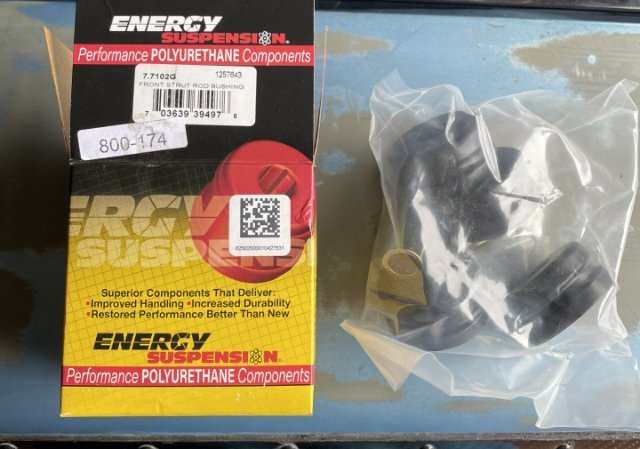
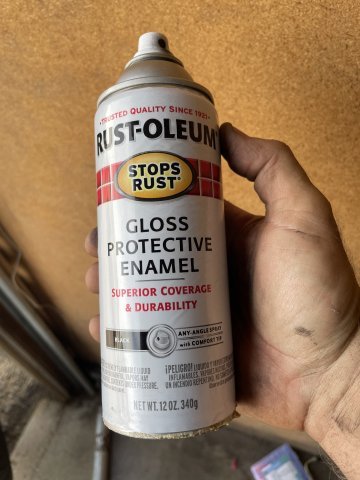
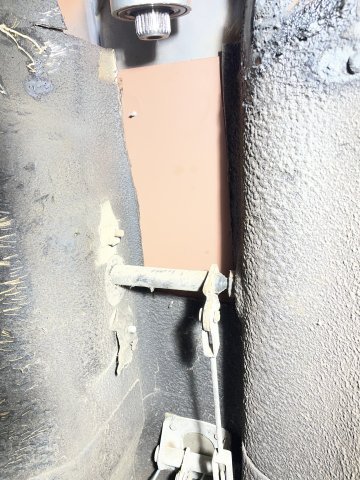
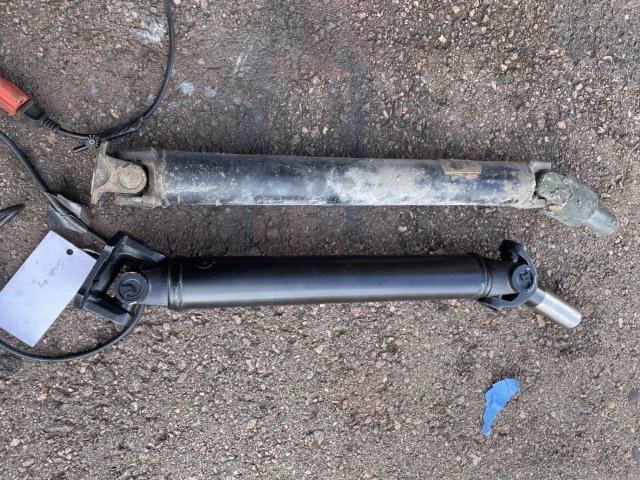
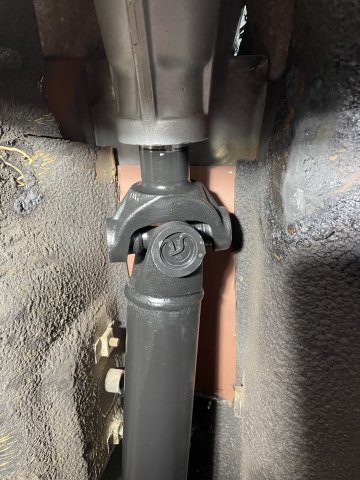
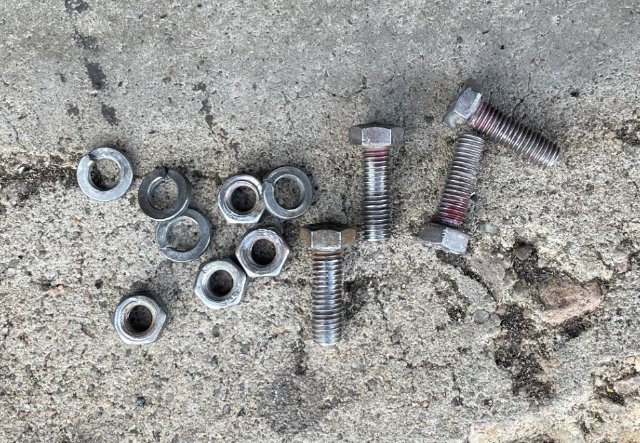
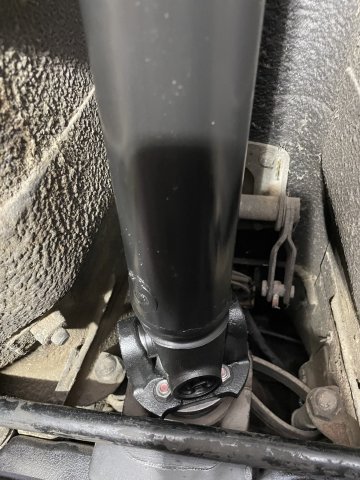
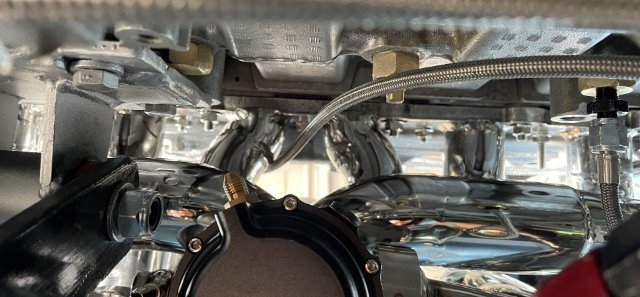
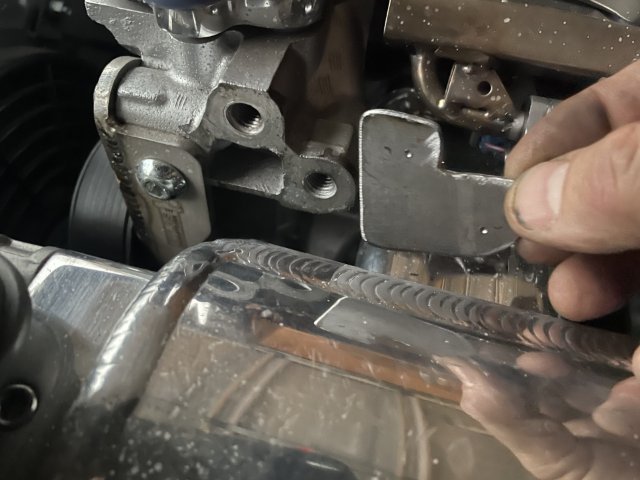
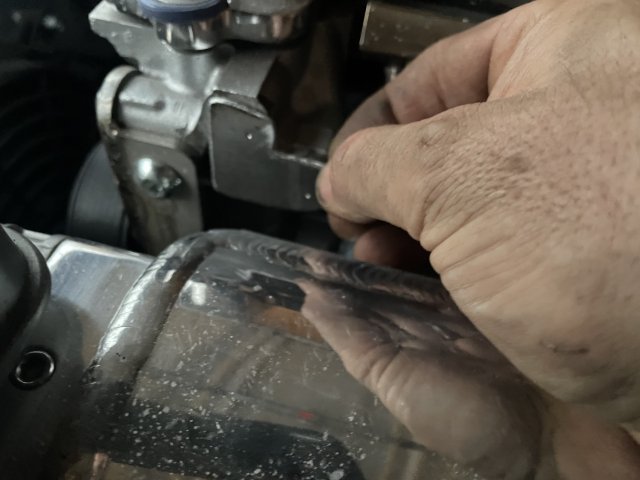
09-29-2026 ATLAS Z UPDATE: I mounted the plate I made to cover the hole on the side of the head with some stainless bolts I got, then I mounted up both front brake calipers, tied in the brake lines and zip tied the excess up. Then I went ahead and pulled the TC rods out, cleaned them up and painted them with some rustoleum gloss black, and wire wheeled up the washer plates and installed my new Urethane bushings. I normally would have gone with rubber, but the polys were half the price, so I will use them. While under there, I pulled out the cut off pieces that were the original sway bar end links, and installed the new ones I have had waiting. They are all rubber. Then I moved on to the drive shaft. Because of my trans layout, the factory e~brake tube going across the tunnel had to be cut out. This is fine, as the way I use the car I don't need it, and I can leave it in gear when parked. I suppose at a later date I could fashion up a cable to what is left on there to tie it back in.....I left a piece of the pipe about 1/2 long sticking out for just that. I then mounted up the drive shaft and got the bolts cinched down correctly. Then the problematic part of the day, the end links on the steering rack. Well they just didn't want to come off! It is obvious they haven't ever been adjusted, so I got one off and the other is soaking in PB Blaster! I have the end links I got from Z Car Depot ready to go, they are from MOOG. While under the car, I looked up and saw a world of polished piping so I took a pic! :D PICS:
1 point
-
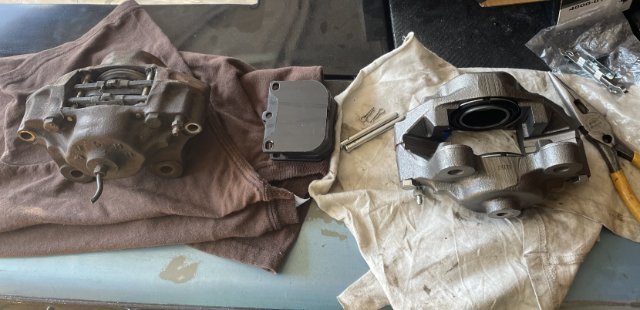
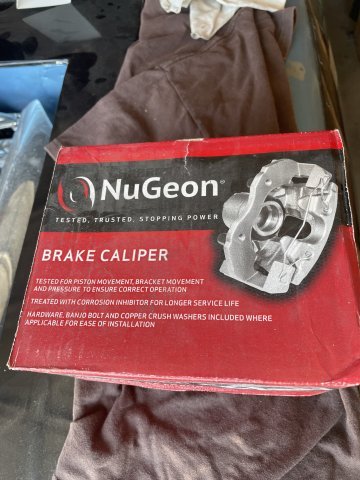
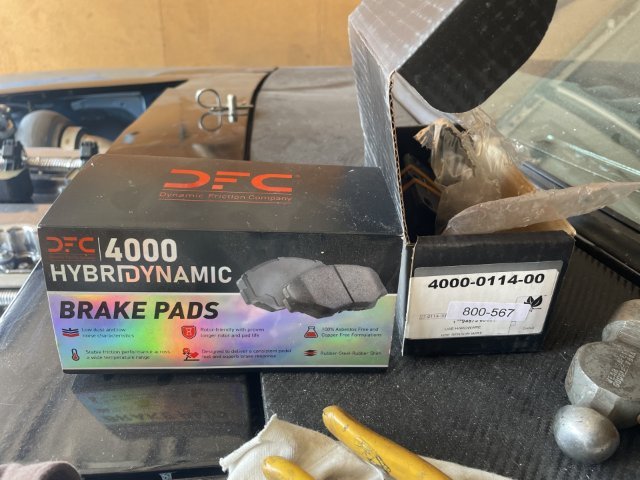
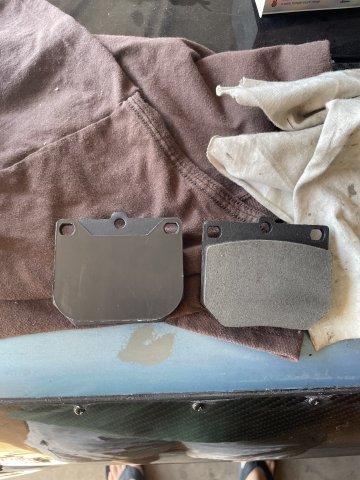
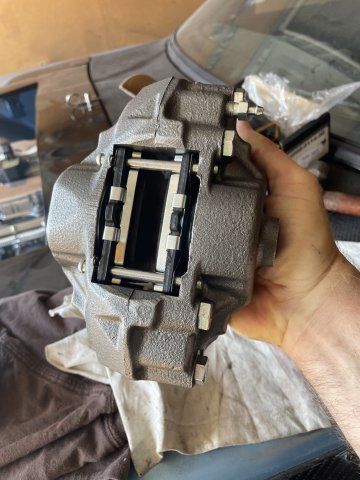
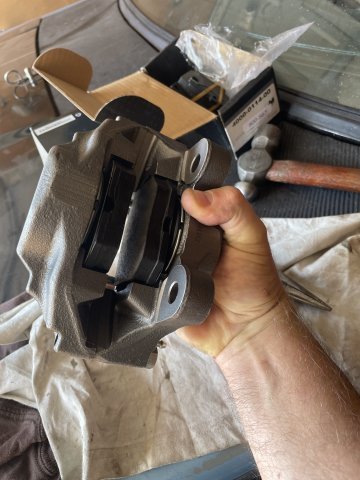
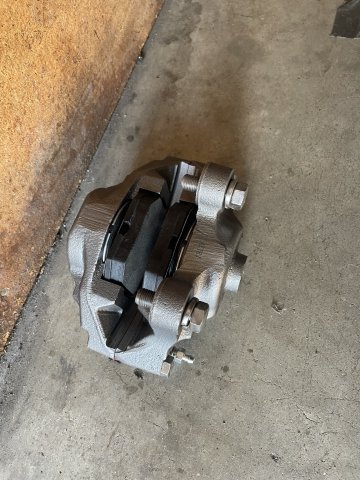
08-25-2026 ATLAS Z UPDATE: I had a few minutes this morning, so I went ahead and prepped my new front brake calipers, by mounting the brake pads in and getting them ready for install. I got the calipers and pads from Z Car Depot.
1 point
-
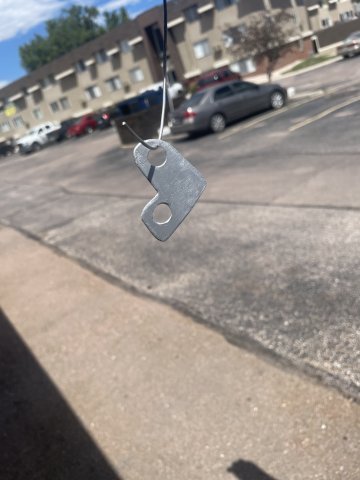
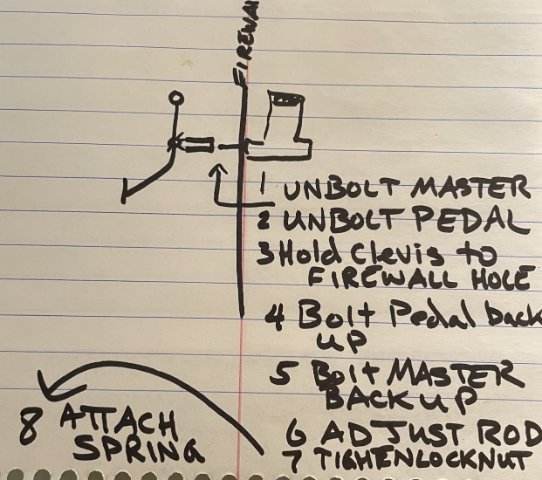
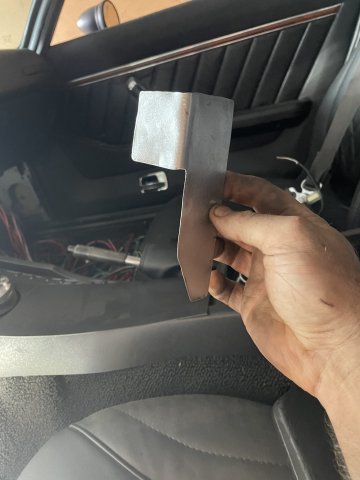
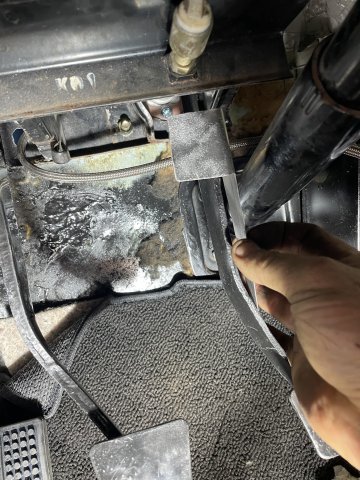
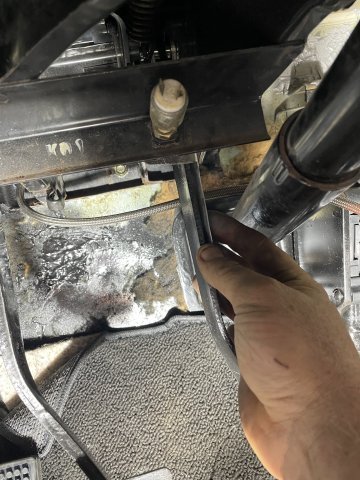
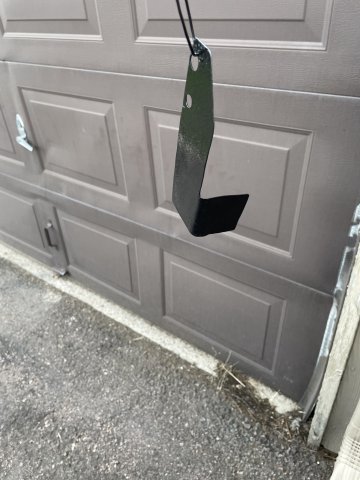
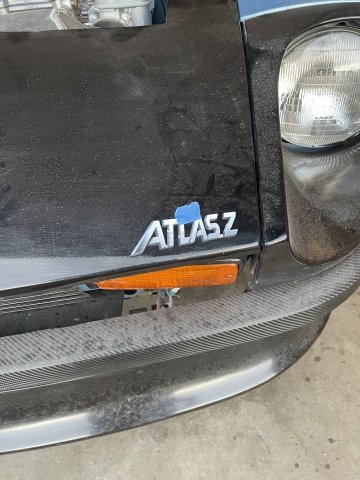
08-23-2026 ATLAS Z UPDATE. Today was another tough one. 4+ hours in getting the clutch master cylinder rod screwed in to the custom clevis on the pedal arm and then everything bolted back up, adjusted and set up. VERY hard for me to get in there, and I am old, so it is a ball breaker. I knew it would be and put it off for months, today I did it. I managed to get the trim piece I mentioned yesterday painted silver and then after the clutch, I tackled the next issue. I don't know how, but there is no bar from the brake pedal arm to the switch so the brake lights will come on and go off. So, I simply took some sheet metal, bent and hammered a 90 and then with a sharpie and my angle grinder cut and formed a piece that I am bolting to he brake arm, that will stick out and push the brake light switch closed when the pedal is released. I drilled 2 holes through the arm and this sheet metal bracket It's hanging up painted and will be install with 2 1/4X20 bolts and nuts. After it was done it was time to relax a bit with a couple Coors and look around, I taped one of my atlas emblems to the front corner of the hood. I don't know If I will use it there or not, I can either paint it flat black to contrast on the gloss powder coat, paint it datsun metallic blue like the engine compartment, or I don't know, any ideas?
1 point
-
Hi All, I have been restomodding my very first Z (early 260), and probably did things way out of order. Got the car (rusty, needed work, half disassembled but told the engine would run, gas tank in the hatch, no airbox, etc) and it went straight into body and motor work/build. I wish I had gotten it running first, to appreciate how it ran and handled, but the rust gave me pause, so I went the full resto route first. All that said, this is not my first engine build, but my first L series and first car with carbs. Now that it's done, I need to work out what's keeping it from running better. The motor is a frankensteined together L28 (F54 block, N47 head), roughly 9.2:1 CR based on (Priddy - Cometic) head gasket and (flat top) piston combo. Steve Bonk stage 1 cam, stock hitachi/SU carbs (rebuilt with SM needles and rebuild kit from ZTherapy), cleaned up balance tube with N36 intake manifolds. Early 280zx close ratio 5sp trans,3.9 R200 rear end, stock (l28 appropriate) clutch/flywheel combo. The shop that did the body/resto work dropped the motor in, and got it running, but it I'm pretty sure it should be running a lot differently (read: better). It's idling around 5-600 rpms, lumpy, and feels pretty underpowered considering it's a light car with a modded L28. Did the break in drive in which I didn't take it over 5k RPMs, ran it decently hard with solid acceleration and engine braking across gears to seal the rings, did the oil first oil change, and all that jazz. This is where you come in - I'm hoping that someone here who knows the L series is up for a half day of walking me through confirming that the (mechanical) timing is set right (the easy part, I've done this with my other cars but appreciate a second set of eyes), then wants to help me make sure I don't do anything stupid trying to set the idle and balance the carbs. Looking to learn from one of you gurus so I'm not messing up a fresh motor in a fresh car. Anyone in the Bay Area want to come to Novato and help me out in exchange for beer, lunch, and the opportunity to mock me while you help me learn this motor? Thanks in advance! Robert1 point
-
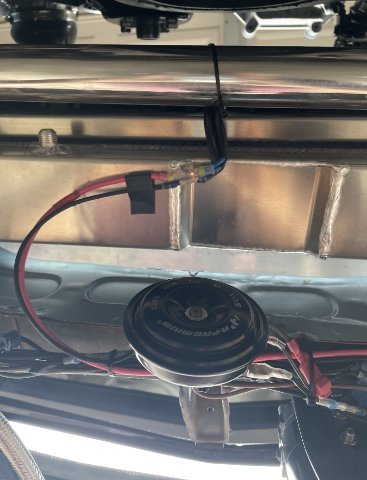
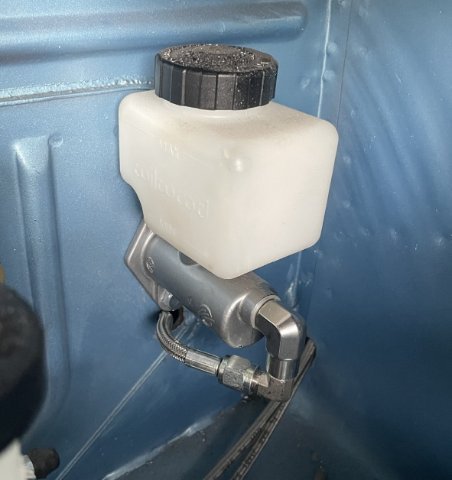
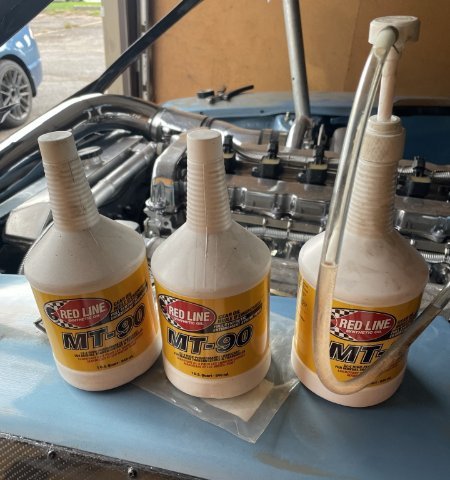
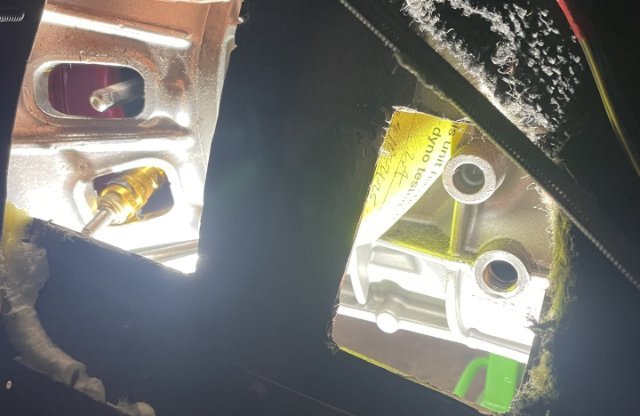
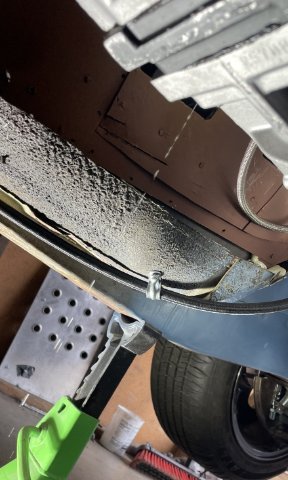
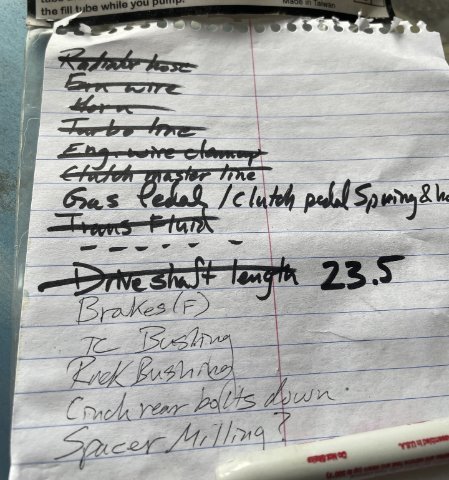
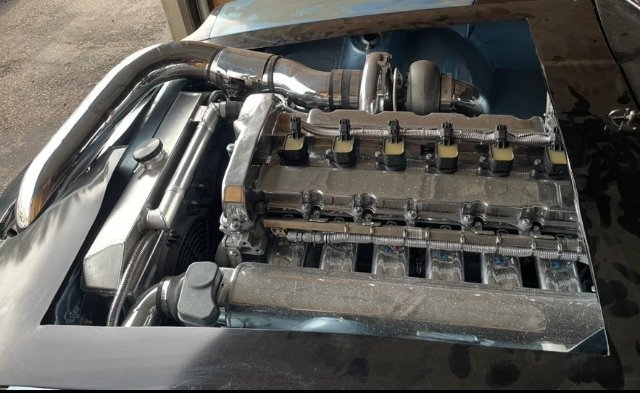
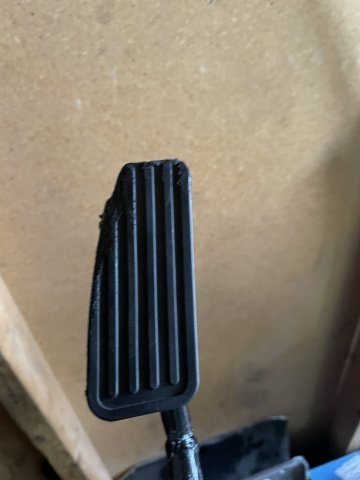
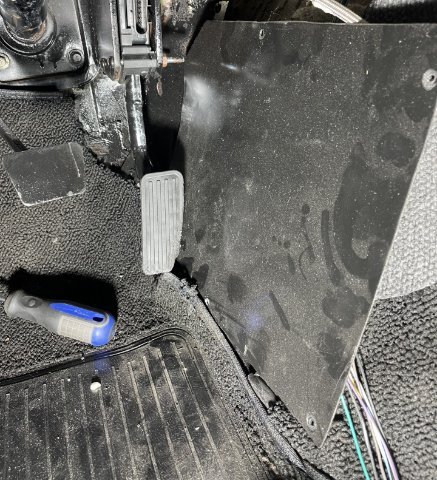
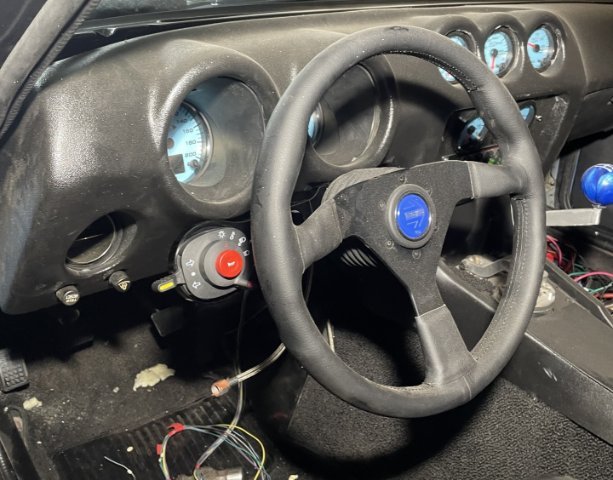
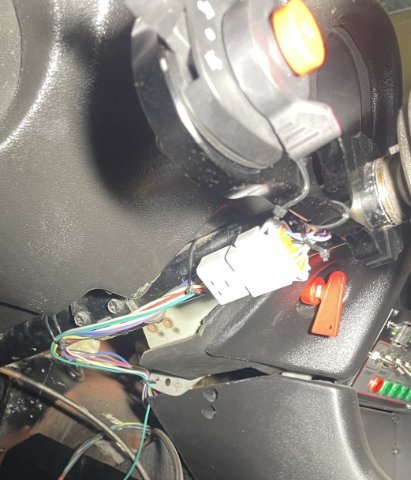
08-22-2026 ATLAS Z UPDATE: Work The Punchlist. Decided to switch it up a bit today and work a punch list of little things I just let pile up working on the bigger ticket items. Started with getting the horn installed, wiring my dual fans in, finished the clutch master cylinder in the engine compartment, topped off the transmission with some redline MT90, then finished the intake pipe, getting the air filter on the end and getting it in there good....ended up having to trim a tad more on the hood, but went pretty easy. Installed the new modified gas pedal finally, and yep....had to mod the corner of the pedal surface a tad but this time it works...Installed my combo turn signal stalk/headlights/horn and got the wires ran over to the other side to terminate later....and started on a small sheet metal cover to cover an ugly spot on the side of the head. PICS:
1 point
-
Thank you for the kind words. Im proud of this one and cant wait to get it dialed in a bit and get to enjoy it a bit on the street and track.1 point
-
$170 is a lot less than I would have guessed for shipping something that size across the ocean. I've paid half that or more for shoebox-sized boxes from Japan.1 point
-
Thanks guys, appreciate the comments, it was a ton of work, now it's on to the doors, hatch and hood next. I moved the car home into my garage, as I closed down my shop for good. Hope to keep making progress1 point
-
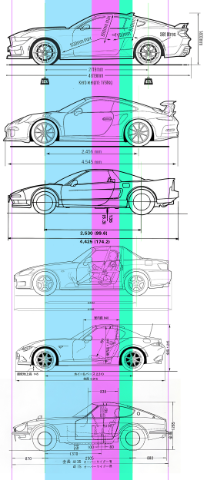
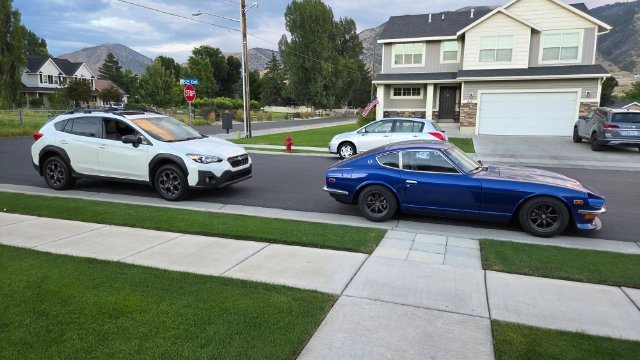
I got curious so i did this layout to approximate scale. It's not 100% accurate, but it gives you an idea of how our car sits in the world. Autos& Vehicles
1 point
-
Works great for me today! No issues and everything was quick to load.1 point
-
Hey Robert, sounds like a rad build! You should post some pics of what you're working with. I'm in Burlingame but also have three little kids so Novato is no-go. Unless you're able to bring the car down here in which case I'm happy to help! Otherwise, maybe reach out to the folks at ZONC (Z-Owners of Norcal) via their Facebook page to see if you get any action?1 point
-
https://i.imgur.com/SKO8gwQ.jpeg soldering connector did nothing, tail fuse still gets hot. i swapped pins on white connector, dome fuse is now park tail. you can really tell what is the hot fuse, color has changed1 point
-
Haven't done a whole lot to the Datsun, but it's partially due to lightened sense of urgency. I've officially moved back to the use so I feel less rushed to get things done. Mexico was great for four years and time will tell if I regret leaving. I loved living there and will probably be making constant comparisons but mostly moved back for a better job and being closer to family. I bought a boring daily for commute duties. Still debating if I should have just committed to something much much cheaper with a bit more character, but I've enjoyed it so far and it already got me about 3k miles on my summer road trip. Didn't do the summer road trip in the Datsun due to a coolant leak. Was already doing some summer practices and parades with my new students so I didn't have a chance to track it down and didn't want to risk such a long drive in the well above average July heat. Finally had more time and still couldn't track down the coolant leak. It was only happening when hot, so figured I'd retorque the head bolts and see if it helped. Head gasket seemed like an unlikely failure right now, but I installed the block completely untouched so I figured it might help. Most of the nuts on the arp studs moved about 45-90 degrees to get them to spec! I power washed some of the greasy parts of the engine bay afterwards in case I still had the coolant leak to make it easier to track down. Seems bone dry after about a half hour drive. Don't know if they weren't retorqued after initial heat cycles and have just slowly gotten worse or maybe the head gasket is actually failing but I think it'll at least hold me over until I finally rebuild properly with more adequate compression and a better cam for earlier boost.
1 point
-
well, you could look it all up on their website plstics4performance. The hatch glass actually isn't flat, it has a crown to it. It isn't just plexiglass. it is Polycarbonate, with a special hardened coating, and the vents and everything are a custom deal. I wanted it professionally done. I waited for you to volunteer to do it for me, but you never did, so.... Yes it is made in England. Cheers.1 point
-
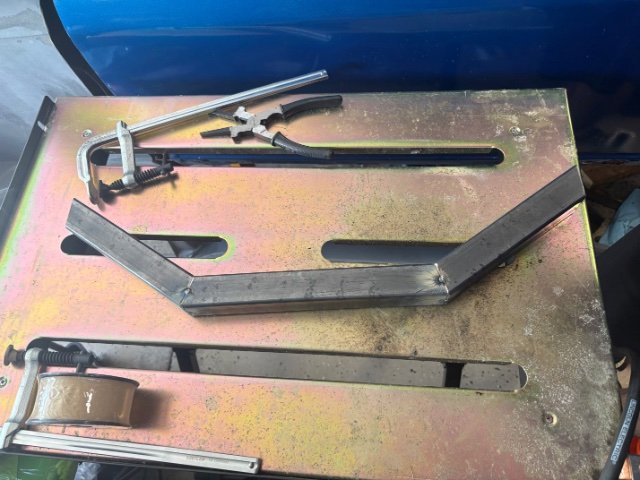
Started working on the cradle this weekend. Laine’s design was a good starting point, had to change some of the angles to work around the apex subframe bracing, but it looks like the 1-1/2” square tubing will work. I’ve got it tacked together now to test fit. I need to do some more measurements and figure out the where to put the vertical part and the correct angle. Hopefully get it wrapped up next weekend and then test fit the motor the following weekend.
1 point
-
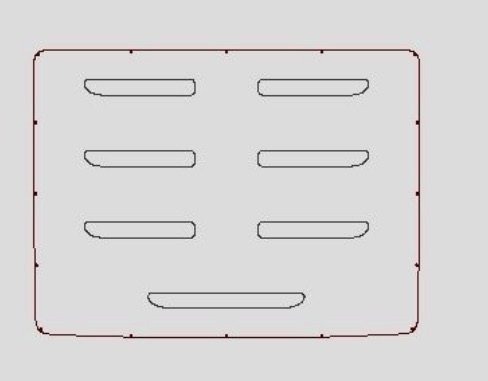
08-14-2026 ATLAS Z UPDATE/. Plastics 4 Performance has sent the final draft for my polycarbonate rear hatch "glass" for my approval. It is ready for production! The vents are to give the car an even more open air feel, which is what I want with this build. should look pretty cool. 8/32 bolts will be around the edge with a thin rubber layer between it and the lip on the hatch. Ferrari uses the vents for engine heat.....I used them because I like the look and as I said the open air feel.......no glass at all looks too unfinished to my eye. PICS:
1 point
-
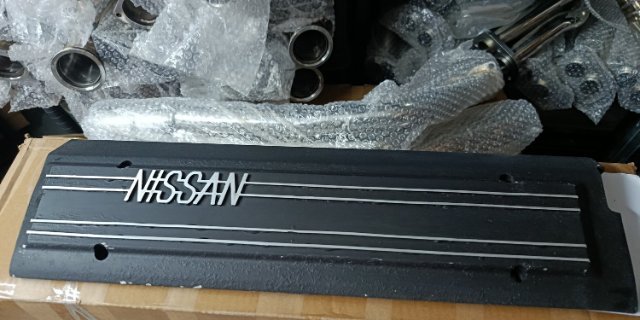
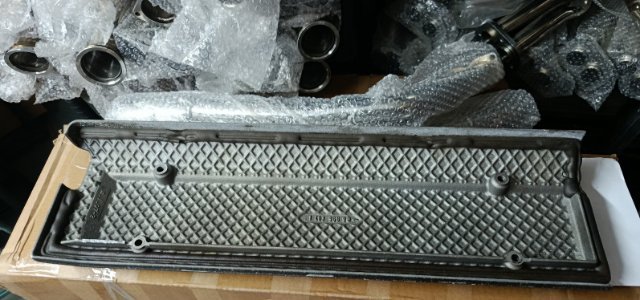
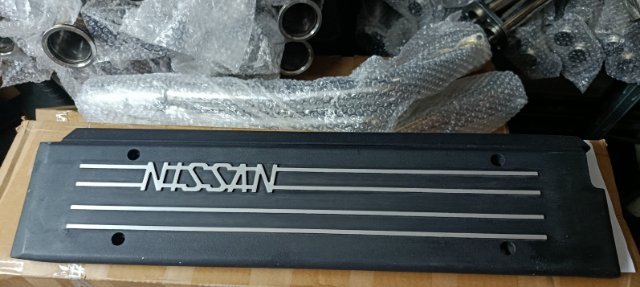
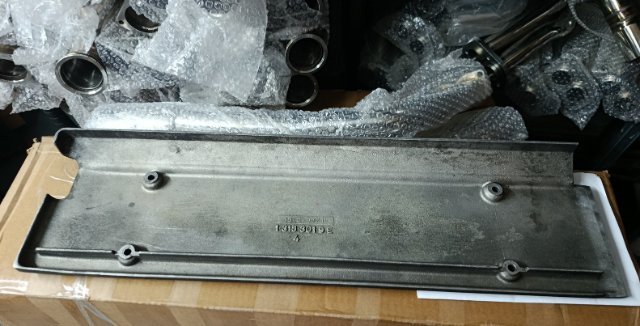
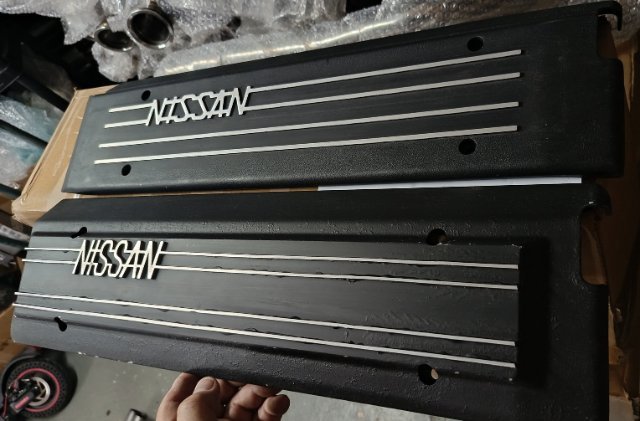
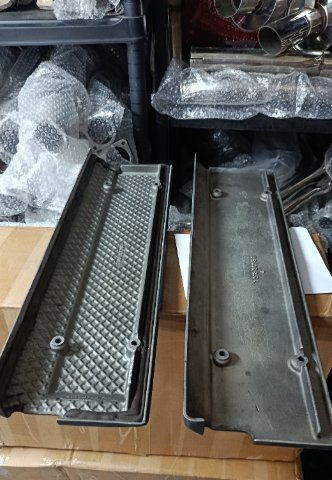
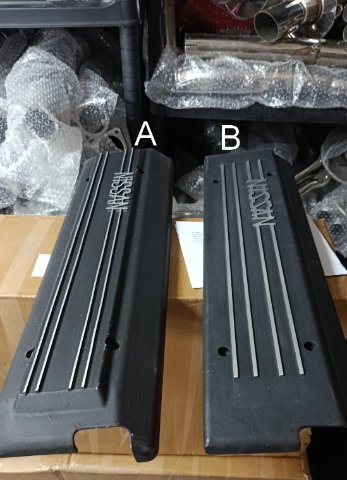
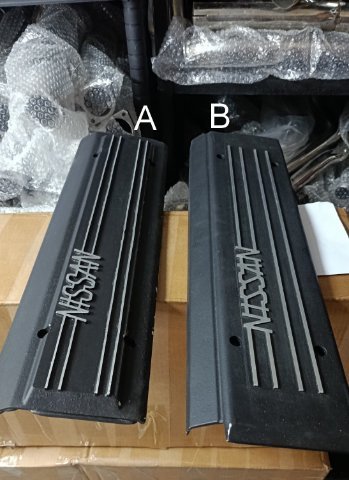
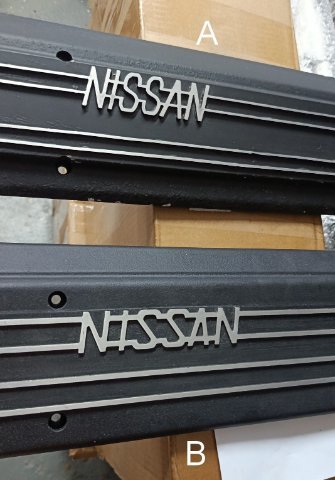
For anyone who's swapped or planning to a BMW S50B32, I have two special, exclusive engine covers to sell. A = usd$250 shipped B = usd$350 shipped
1 point
-
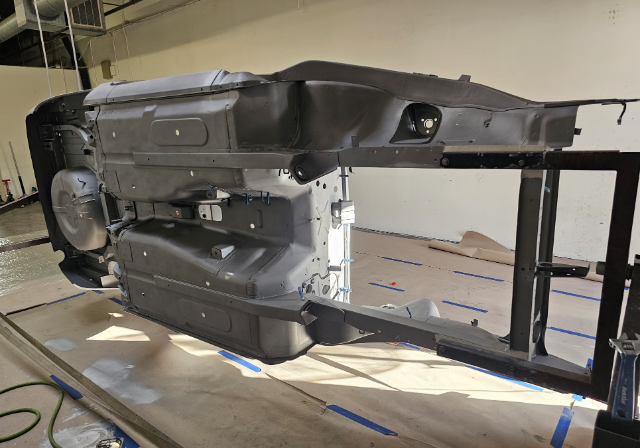
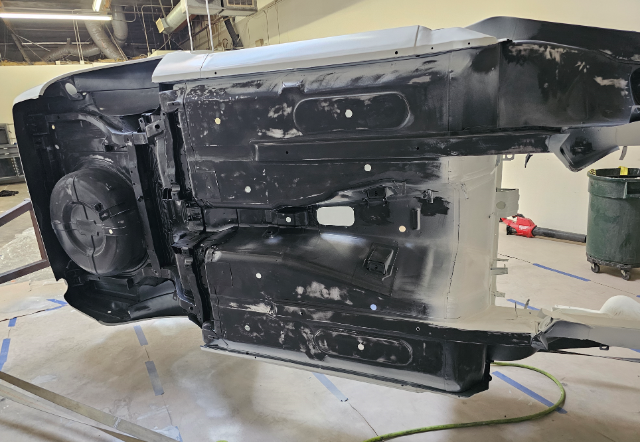
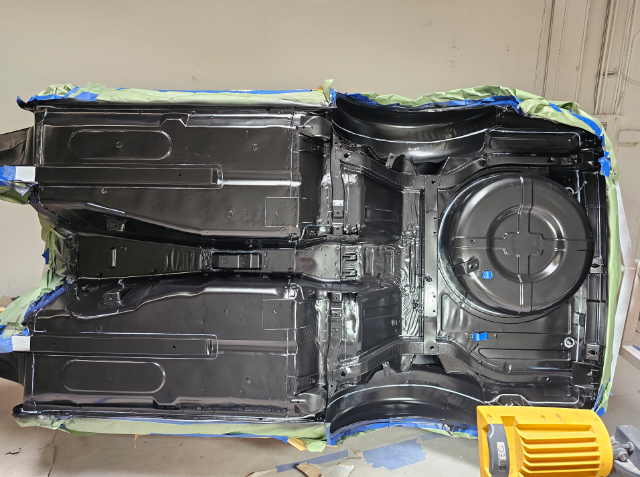
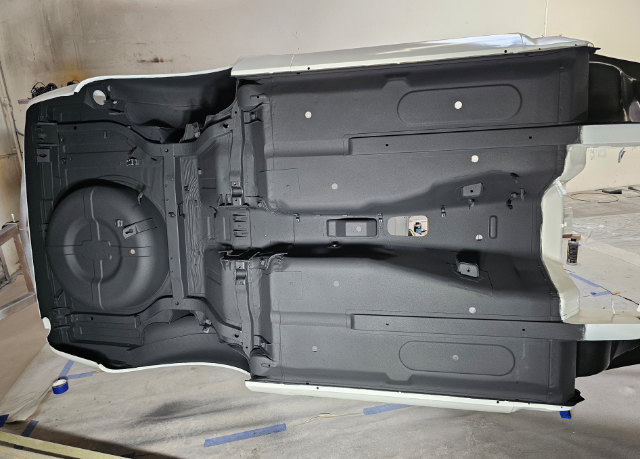
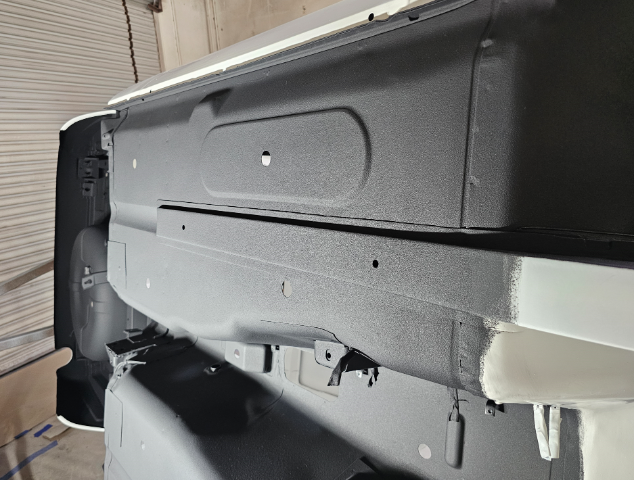
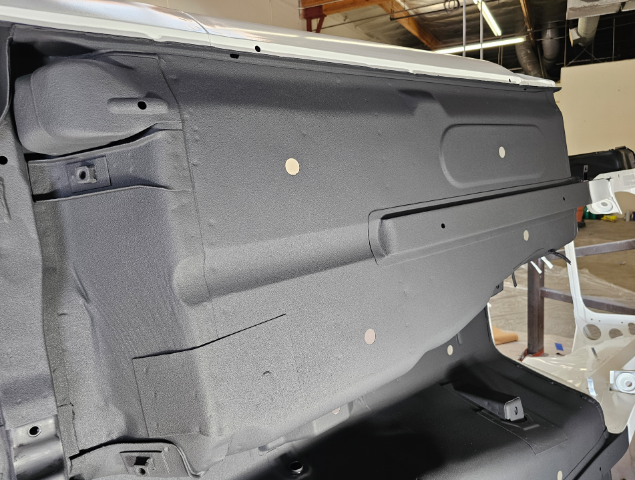
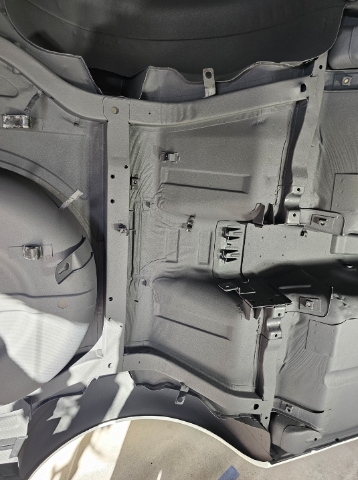
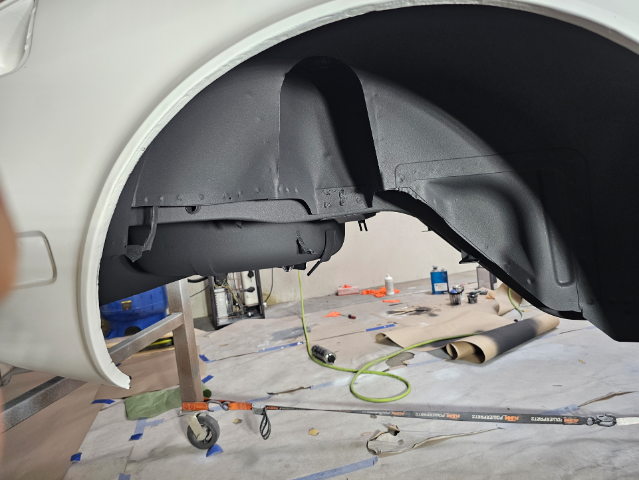
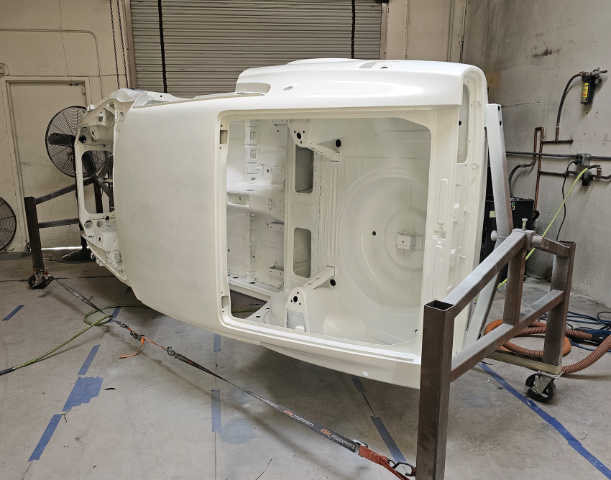
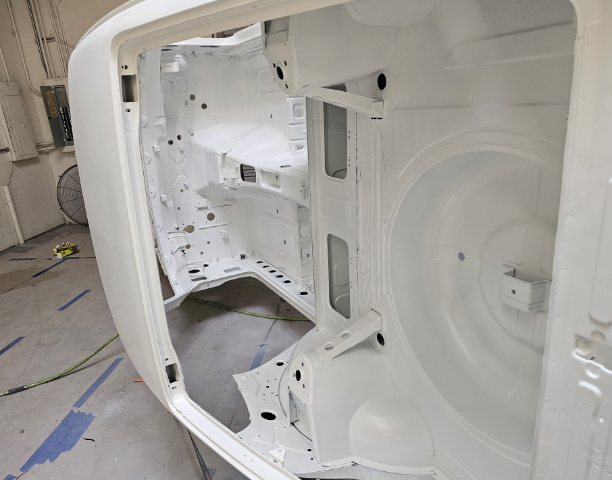
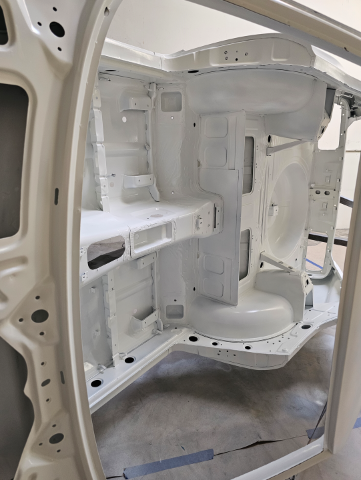
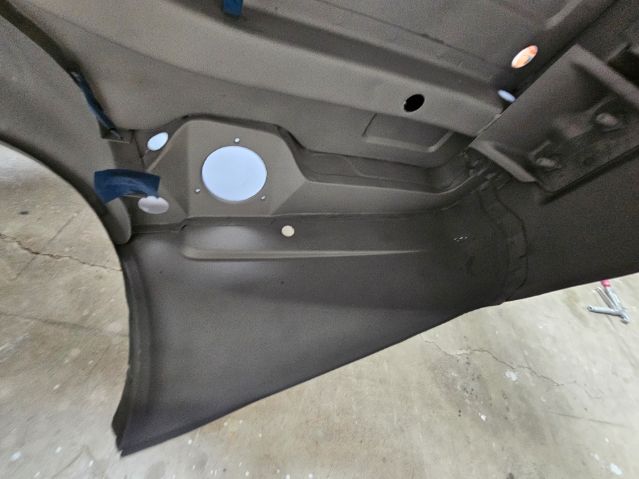
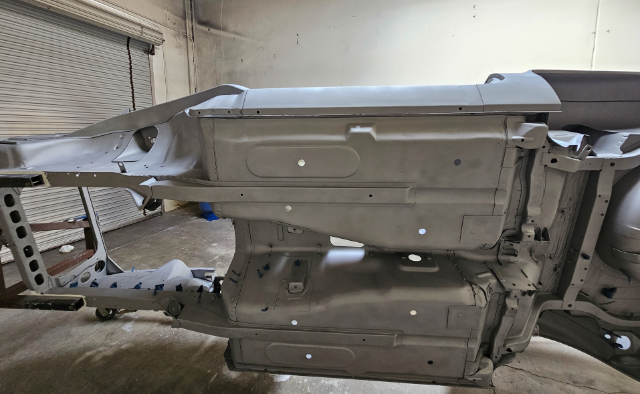
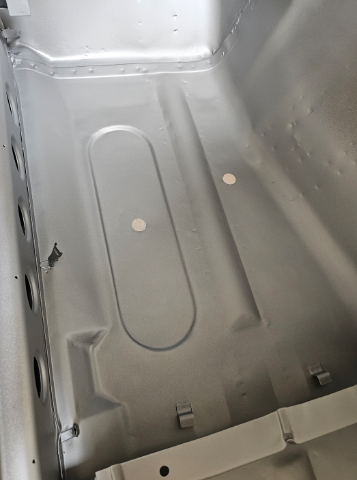
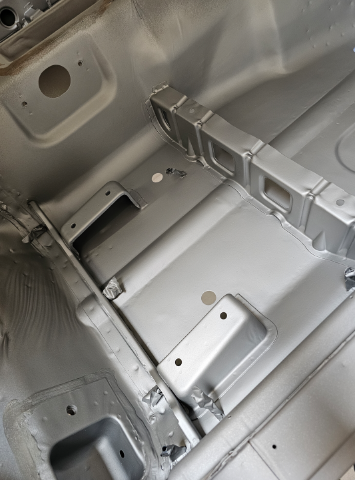
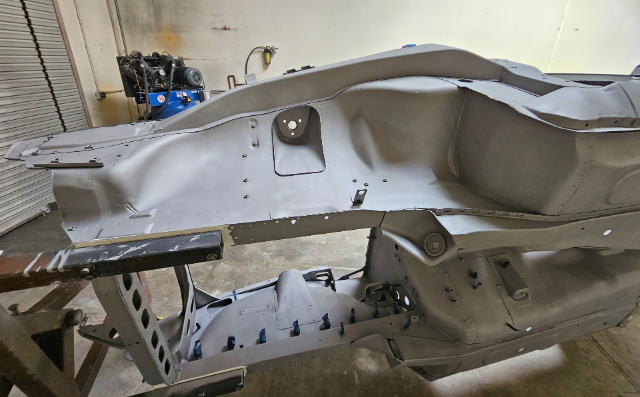
Before getting the top side and interior sealed up in 2 coats of white epoxy, I first hit the underside. I chose to do it in black Epoxy to more follow the original paint where you could see the black though white overspray. I first put down a full coat of the black again using my 360 degree extension paint gun to get in all the difficult location like between the spare tire well and rear valance, then a normal 1.4mm tip gun. After allowing the top to cure for two days I sanded out the bottom side and scuffed it well with Scotchbrite. I then applied 2k epoxy seam sealer in all the original OEM locations I then taped up the topside and put down a final coat of black I then let that cure for two days before applying the Gravitex. It is made by U-Pol the same company who makes Raptorliner, Gravitex is better in my opinion for the other side as it is intended as a sound insulting stone and chip guard. Its what you see on the rocker panels of German cars. Goes on the same with an undercoating style gun. Its a 1k product so I will need a sealer coat on top of it before finally paining the underside white in body color. I really happy how it came out. The weeks of metal work straitening and shrinking the original floor pans really looks good all finished.
1 point
-
You want to do mine next?1 point
-
1 point
-
Its been an exhausting month of hard work getting the chassis in Epoxy to move it back home before the end of the month. Here is the process. 1.) strip all factory sound deadening/undercoating with a scraper, heat gun, wire brush. 2.) clean any residue with paint stripper and after-wash solvent. 3.) strip original paint from body with Citri-Strip paint stripper - again clean with after-wash 4.) remove interior tar paper with dry ice and liquid nitrogen. 5.) wash and clean entire body with Mastercoat metal prep - phosphoric acid rust neutralizer https://nomorerust.com/collections/metal-prep-rust-remover-products 6.) sandblast all seams and overlop joints. 7.) brush Mastercoat rust sealer primer into all seams and nooks https://nomorerust.com/products/mastercoat-ultimate-permanent-rust-sealer-silver-primer-original-sprayable-slim-quart 8.) lightly blast the floor pans with white aluminum oxide until white metal 9) brush 3 coats of Mastercoat rust sealer primer on to floors 10) blast the internal frame chambers clean and blow out any sand 11) spray the internal cavities ( rocker panels, rear fenders, rear internal quarter, and front internal cowl area with Matercoat using a 18 inch long extended tip spray gun https://paascheairbrush.com/collections/extension-spray-guns?shop_consented_scopes=email%3Averified+openid+pay%3Asession_token+profile+shop%3Aaccount_uuid&shop_sign_in=true using a 360 degree spray tip to coat all surfaces 12) sand the entire body removing any Mastercoat not reaming in pits or detents 13) sand the entire external body shell and underside with 180 grit and clean with wax and grease remover 14) lightly blast entire body inside and out until perfectly clean and lightly textured to promote adheision - holding the blast nozzle 12 to 15 inches away at 60psi with white aluminum oxide 15) hours blowing out the remaining grit 16) again using 360 degree long extension spray gun, paint all internal cavities and under sides with DPLV Epoxy Primer 17) Spray entire body inside, outside, underside with 2 coats of Epoxy Ridiculous amount of hours https://www.youtube.com/watch?v=y-kogRrJYJU
1 point
-
It's a "little" thing, but progress.
1 point
.jpg.1990af17048858cad04130309b7009f5.jpg)
.jpg.45075ff6916891e2f05a046adae76a2f.jpg)
.jpg.cd24ccb14d0d6e48f6ad41acc08cda77.jpg)